Exhibitions
The MALI recovers the ritual power of water through the Andean pacchas
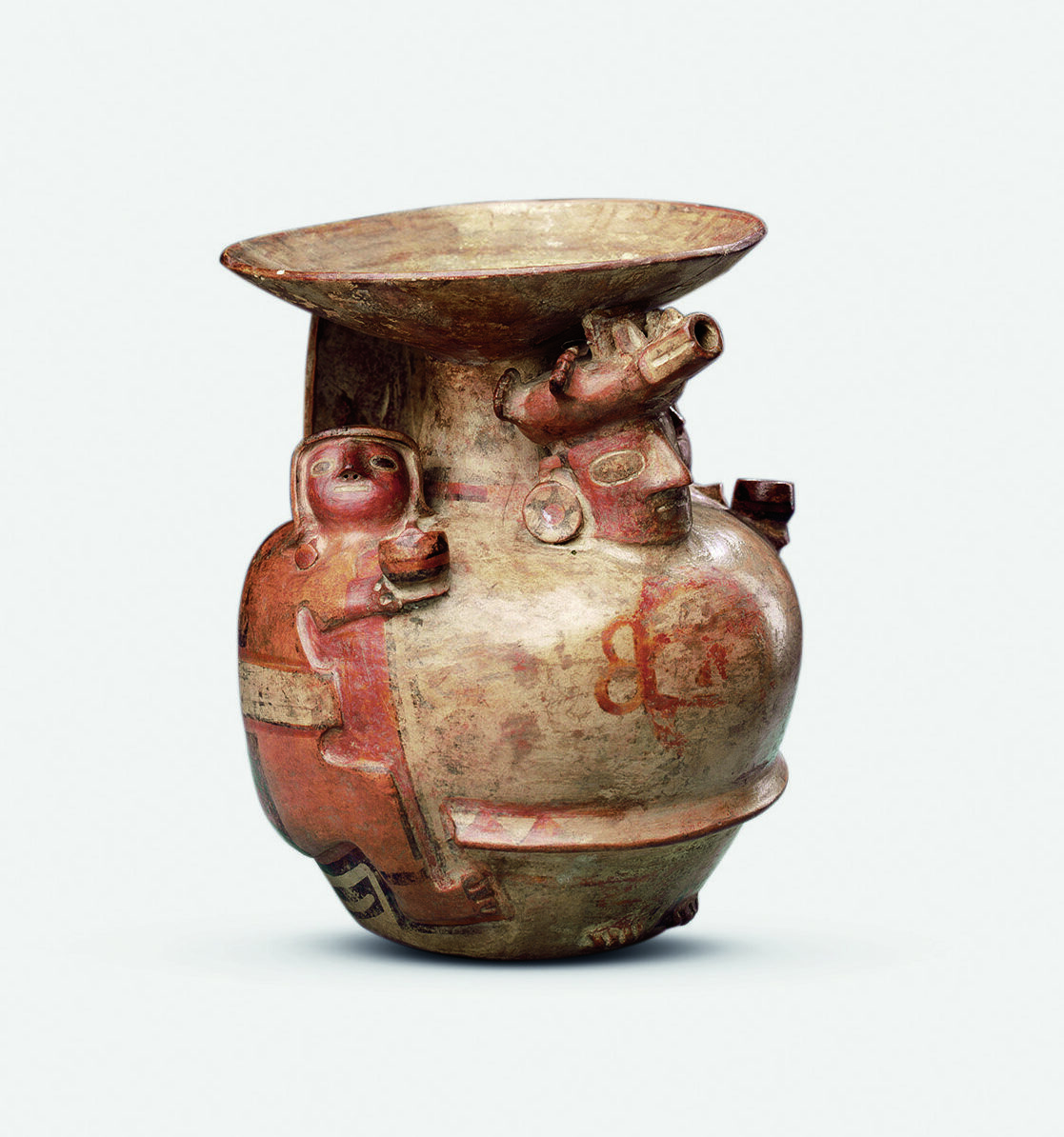
The Lima Art Museum (MALI) presents Pacchas: Water, Ritual, and Offering in the Andes, an exhibition that delves into the cultural and ceremonial significance of these unique objects within Andean societies. From October 27, 2026, to February 28, 2027, the exhibition invites visitors to discover how water, understood as a source of life and an element of connection with nature, held an essential place in ritual and community practices.
Pacchas are artifacts designed to circulate a liquid through their interior before pouring it onto the earth as an offering or sharing it among the participants in a ceremony. Their particular formal configuration thus responds to a function that goes beyond the utilitarian. The path of the liquid symbolically reproduces the water cycle in the Andean universe: its descent from the sky to the mountains, its transit through the land, and its subsequent return to the surface. In this way, the act of pouring becomes a practice loaded with meaning, linked to the continuity of natural cycles and the fertility of the soil.
The exhibition gathers a prominent selection of pacchas incorporated into the MALI collection over recent years, along with pieces from important institutions and private collections. Among them are loans from the Central Museum of the Reserve Bank of Peru, the Larco Museum, and the National Museum of Archaeology, Anthropology, and History of Peru. The group allows exploration of a wide diversity of typologies and formal solutions, from the pre-Columbian period to the colonial era, highlighting both the richness of these objects and the continuity of certain ceremonial traditions over time.
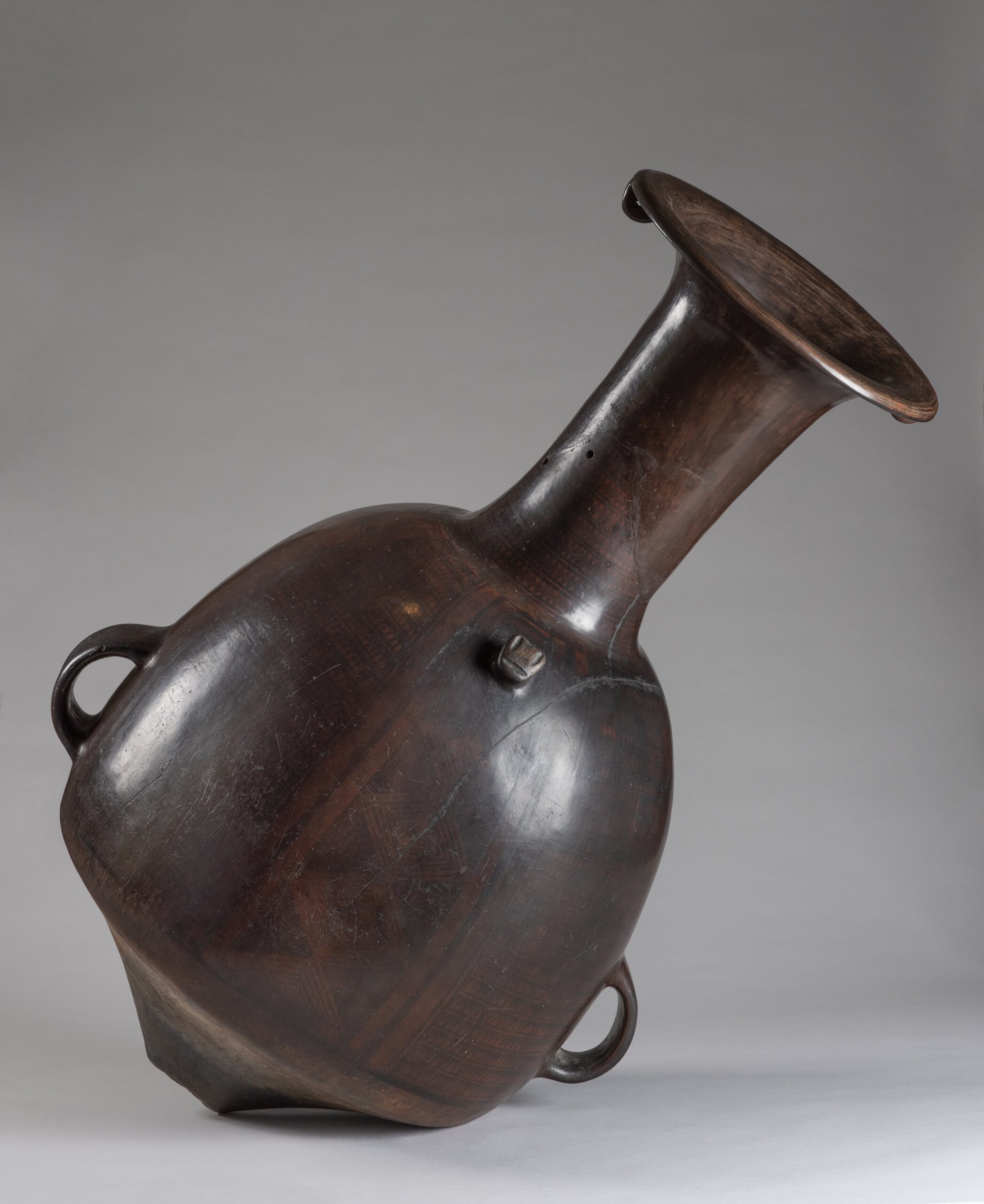
The representations of animals, plants, characters, and elements related to agriculture reveal a conception of ritual in which nature, spirituality, and collective life remain closely linked. Each piece constitutes a testimony of a culture that understood natural resources not only from their material dimension but also from their capacity to create bonds between people, the territory, and the forces that regulate existence.
In this symbolic universe, chicha, a fermented drink made from corn, played a fundamental role. Its preparation, consumption, and offering were associated with agricultural ceremonies and the moments marking cultivation cycles. By making it circulate through a paccha and returning it to the earth, a gesture of reciprocity with nature was established, a way to symbolically participate in the renewal of life and the continuity of agricultural fertility.

You may be
interested
...