Exhibitions
Marisol returns to Rotterdam with a retrospective that claims her pop legacy
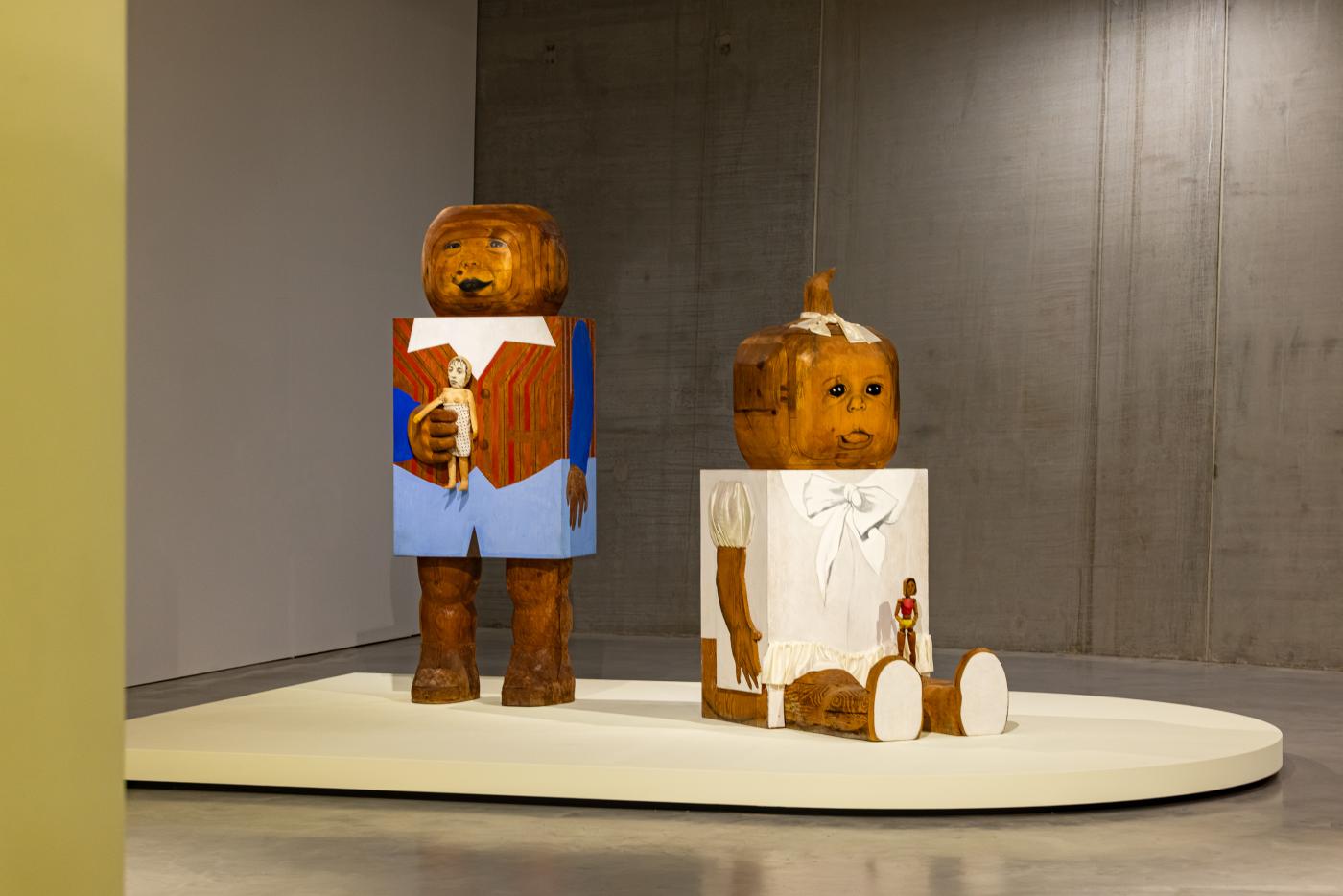
Marisol returns to Rotterdam, a city fundamental to the beginnings of her artistic career, with a large-scale retrospective organized by Museum Boijmans Van Beuningen. The exhibition, which can be visited at the Depot, recovers the figure of the Venezuelan-American artist, who became one of the most distinctive faces of Pop Art during the 1960s. The return takes on a special significance because it was precisely this museum that hosted her first solo exhibition in 1968, establishing an early connection with an institution that would help consolidate her international recognition.
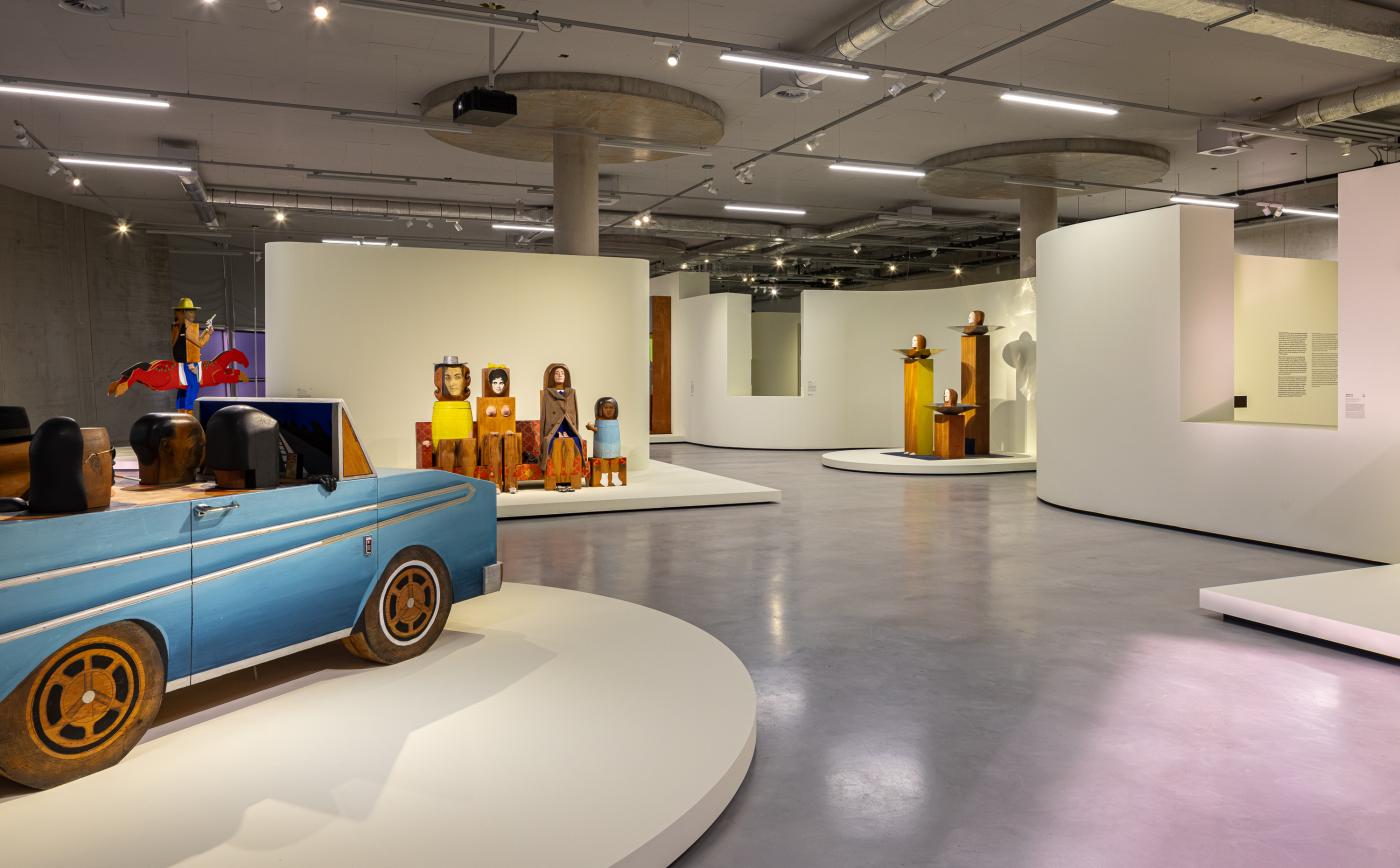
The show brings together more than 80 loans from international collections and offers a journey through a production characterized by humor, formal experimentation, and a particular ability to observe the contradictions of her time. Among the works that can be discovered are her characteristic wooden figures, underwater creatures with an enigmatic appearance, and intimate drawings that reveal other dimensions of her creative universe.
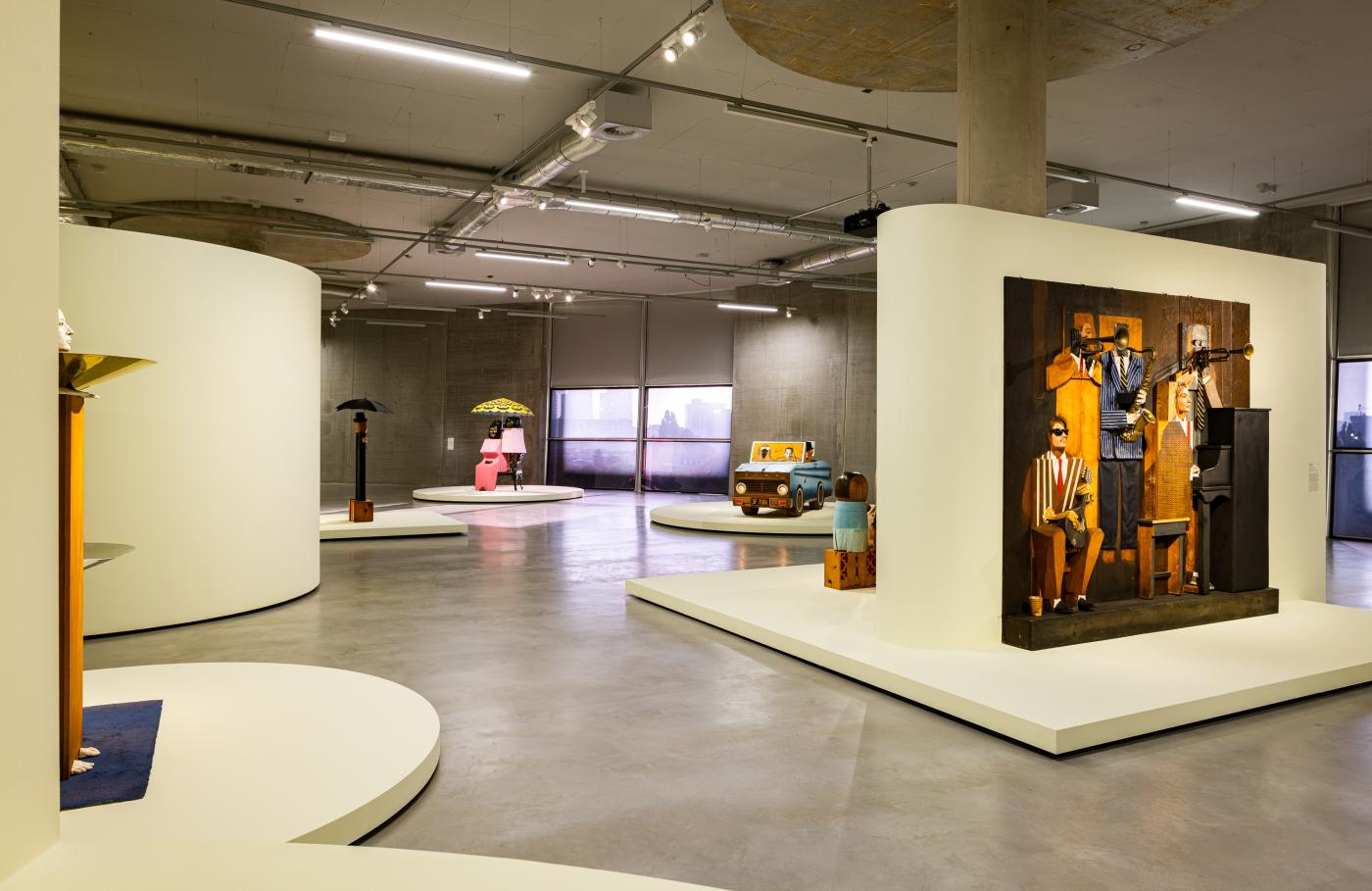
Marisol’s relationship with Museum Boijmans Van Beuningen dates back to a decisive stage of her career. After a successful presentation of her work at the Venice Biennale, her work subsequently arrived in Rotterdam. In 1972, the museum added The Car to its collection, a piece that over time has become a favorite of the public.
One of the most distinctive aspects of her artistic practice was the use of her own face as a recurring model. Marisol became the protagonist of her own works, incorporating her image into sculptures and compositions to explore the different identities she could assume as an artist and as a woman within society. This self-representation, far from being limited to an autobiographical exercise, functioned as a tool to question established roles and social conventions.
Behind the attractive appearance and the humorous component of her creations, however, emerges an incisive gaze on issues such as the position of women, social norms, and humanity’s relationship with the planet. Topics that remain evidently relevant and that allow her production to be viewed from a contemporary perspective.
You may be
interested
...