Exhibitions
Ángel Zárraga, between the perfection of the body and the yearning for the divine
The MUNAL in Mexico revisits the work of an artist who found in classical tradition, spirituality and the tensions of modernity a language of his own, far removed from the aesthetic dogmas of post-revolutionary Mexico.
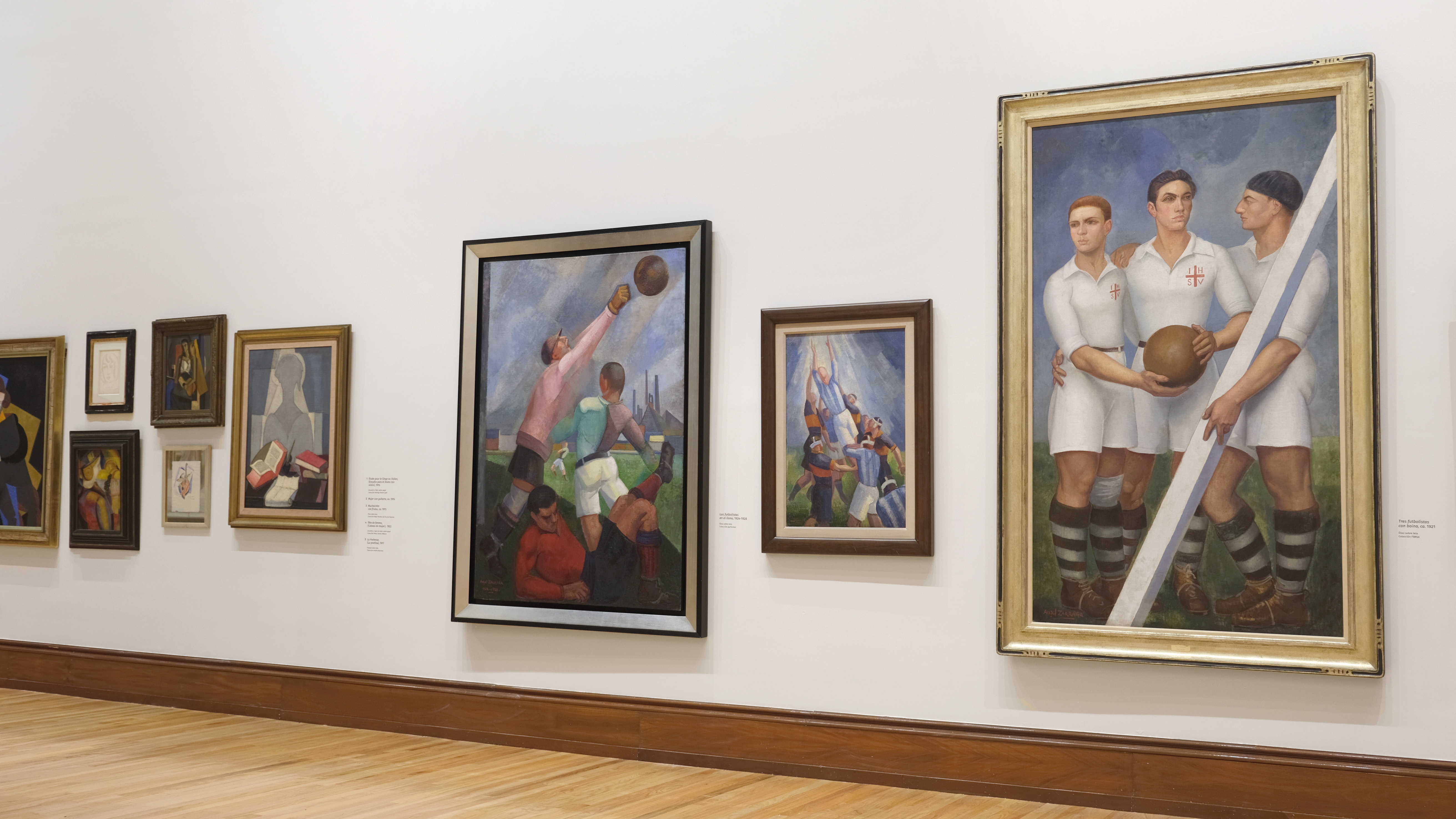
The work of Ángel Zárraga (1886-1946) inhabits a territory of friction between the legacy of the Old Masters and the anxieties of a world that, at the beginning of the 20th century, was beginning to question its own foundations. In his paintings, the human body acquires a dimension that transcends anatomical representation, becoming a form of thought, a space where beauty, faith, and the awareness of existence converge. Far from understanding tradition as a refuge from modernity, Zárraga made it an instrument to explore its contradictions and formulate a conception of art in which formal perfection coexists with spiritual uncertainty.
The exhibition Ángel Zárraga: The Ideals of Art , on view at the National Museum of Art (MUNAL) in Mexico City until March 28, 2027, and curated by David Caliz, offers an interpretation of Zárraga's career based on the ideas that underpinned his creative universe. The exhibition is structured around three fundamental themes: Western culture as an artistic horizon, religious convictions as a path to the sacred, and the body as a vehicle for physical and spiritual elevation. Rather than reconstructing a succession of stages, the exhibition invites viewers to recognize the tensions that permeate a body of work marked by the pursuit of an ideal.
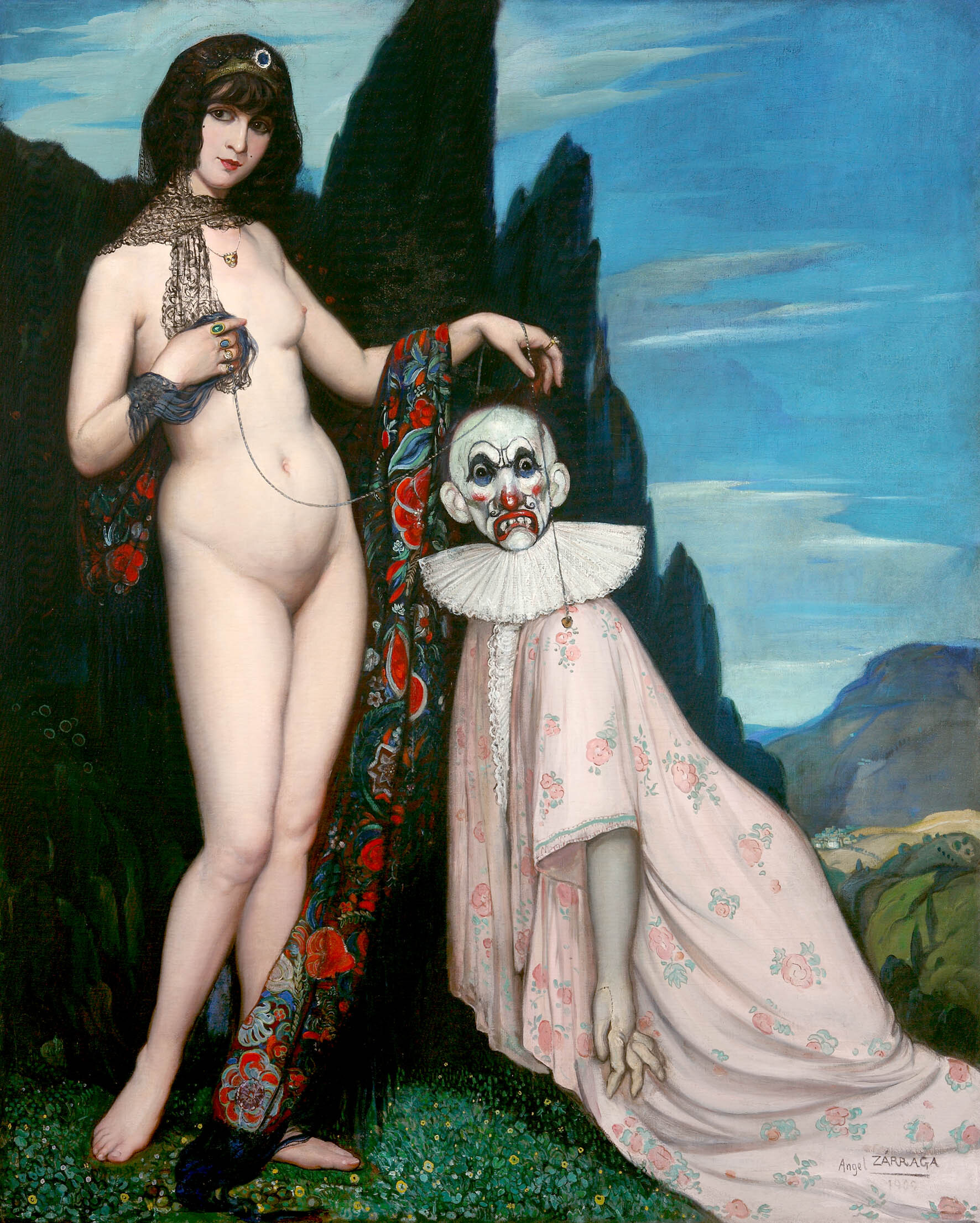
European experience was decisive in shaping this artistic language. Contact with Spanish, French, and Italian painting, as well as the study of the great masters, provided Zárraga with a solid formal structure, grounded in a knowledge of anatomy, composition, and balance. However, his relationship with classicism is not limited to technical mastery or the revival of historical models. In his figures, the discipline of drawing and the rigorous construction of volumes aspire to express something that matter alone cannot contain. The body is presented as a tangible presence and, at the same time, as a promise of transcendence.
This tension constitutes one of the most evocative aspects of his work. Anatomy ceases to be merely an exercise in observation and acquires a symbolic dimension. The bodies, subjected to a demand for harmony and perfection, seem to seek a higher order amidst the fractures of modernity. Beauty here does not function as a simple decorative attribute, but as an ethical and spiritual aspiration. In this quest, Zárraga establishes a dialogue with classical tradition without abandoning the questions of his time.
His trajectory, however, cannot be explained apart from the transformations that shook Europe during the first decades of the 20th century. The avant-garde movements altered the codes of representation, questioned the authority of tradition, and opened new possibilities for painting. Zárraga was familiar with this horizon of experimentation, but his response did not consist of unconditionally adhering to the rupture. His modernity was constructed from a more complex position, in which figurative heritage and the will to renew coexisted without resolving into a definitive synthesis. His work demonstrates that artistic modernity was neither a single path nor an inevitable march toward the dissolution of traditional forms.
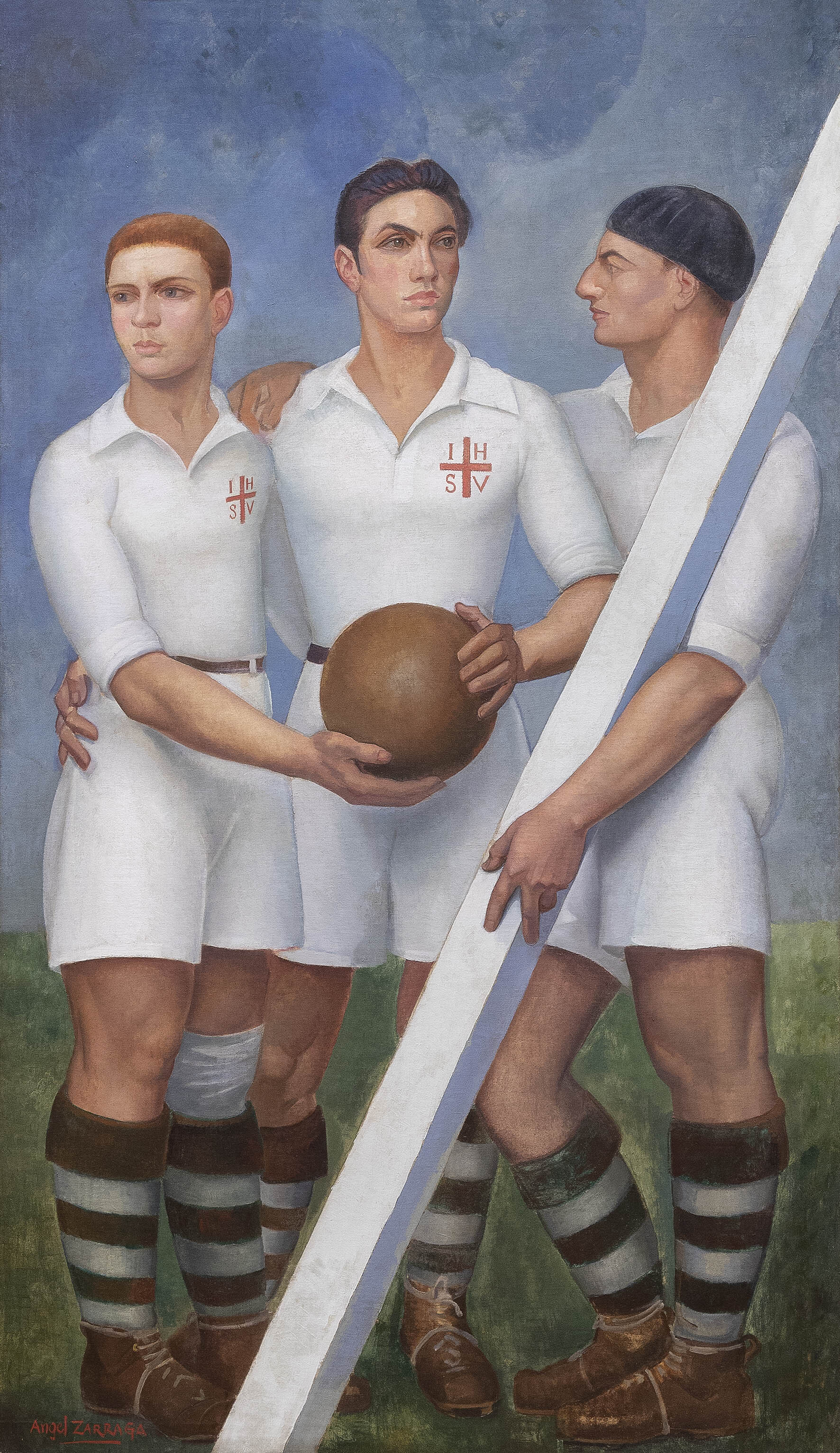
In this context, the interwar period introduces a moral and spiritual dimension that permeates his work. Faced with a turbulent world, the artist seems to seek a possibility of order in formal discipline, although this order never completely eliminates the unease that gives rise to it. The aspiration to physical perfection coexists with an awareness of human fragility. Hence, his figures can be interpreted as more than just idealized bodies: they are also the stage for questioning the meaning of existence, faith, and the limits of earthly experience.
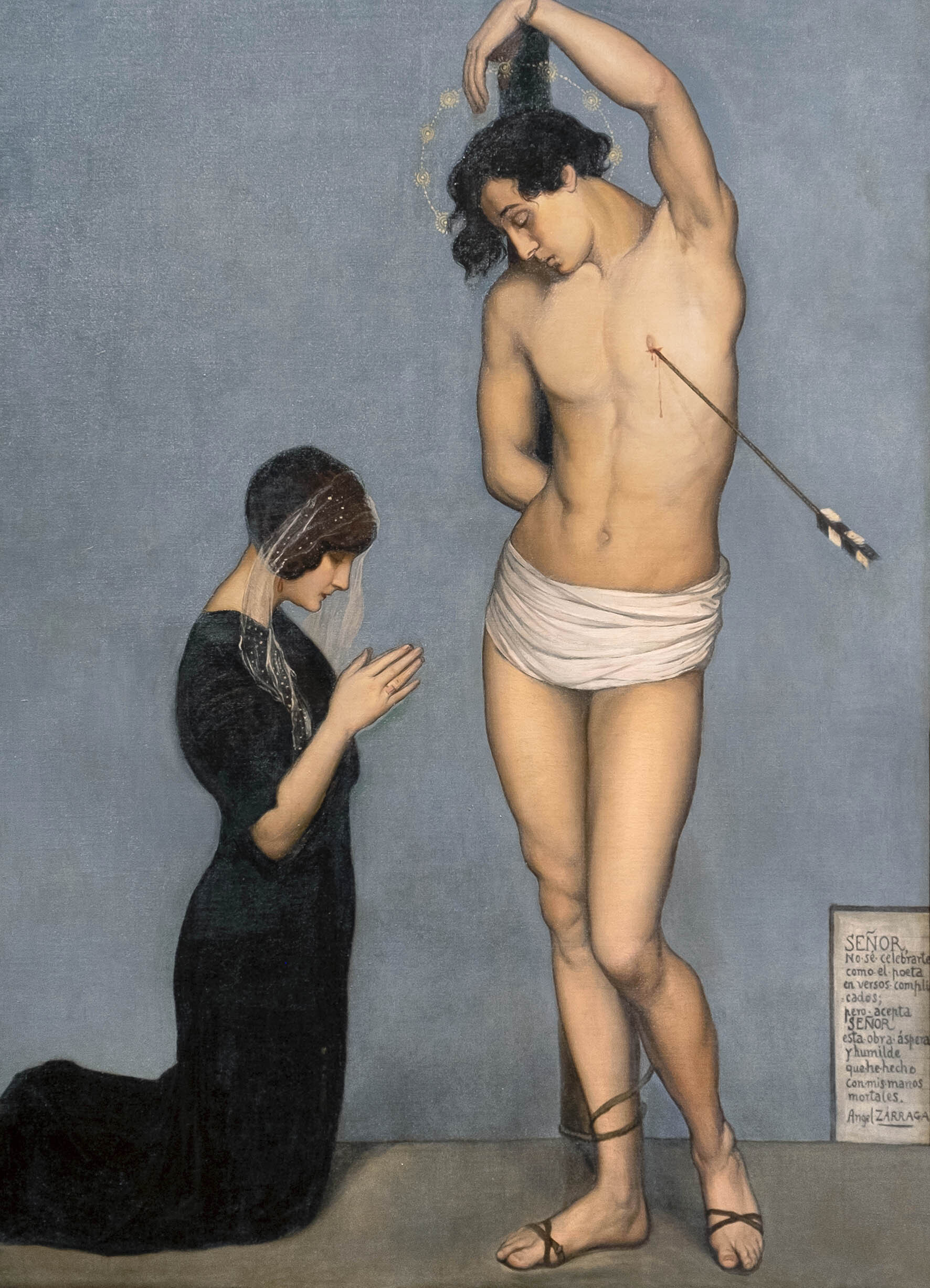
Spirituality, therefore, occupies a central place in his aesthetic thought. For Zárraga, art could constitute a path to divinity, a practice capable of elevating sensory experience to a transcendent dimension. This conception does not necessarily imply a renunciation of the material world; on the contrary, it finds in matter, light, and the physical presence of bodies the instruments to formulate his questions. Painting thus becomes a space of mediation between the visible and the invisible, between the evidence of the flesh and the aspiration to that which transcends it.
But Zárraga's singularity is also defined by his distance from the nationalist narratives that acquired a dominant position in post-revolutionary Mexico. While much of the artistic debate revolved around the construction of a collective identity and the representation of its social and historical conflicts, his work championed other cultural references and a conception of art linked to individual freedom. This position places him in an uncomfortable position within the more established narratives of Mexican modernity: not so much because of his ignorance of the transformations of his time, but because of his resistance to accepting that a commitment to modernity should be expressed through a single ideological or aesthetic program.
His distance from post-revolutionary ideology also allows us to re-examine the limitations of an art history often constructed around grand movements, schools, and hegemonic figures. Mexican modernity was more pluralistic and contradictory than some of its canonical narratives suggest. In this sense, Zárraga represents an alternative that compels us to reconsider the relationships between tradition and avant-garde, between national identity and international culture, and between artistic autonomy and ideological commitment.
Ángel Zárraga. The Ideals of Art recovers this complexity and proposes an interpretation in which the body and spirituality function as axes of a stylistic, thematic, and technical evolution. The exhibition allows us to understand how the coherence of his visual universe rests on a paradox: the will to achieve an ideal form arises from a historical reality marked by crisis, while the search for the eternal is expressed through bodies subjected to time and matter.

You may be
interested
...