News
La Pedrera kicks off the first International Gaudí Congress
Barcelona brings together forty-four new research studies on the architect on the centenary of his death, in a scientific meeting that aims to open new perspectives on his legacy and have continuity every three years.
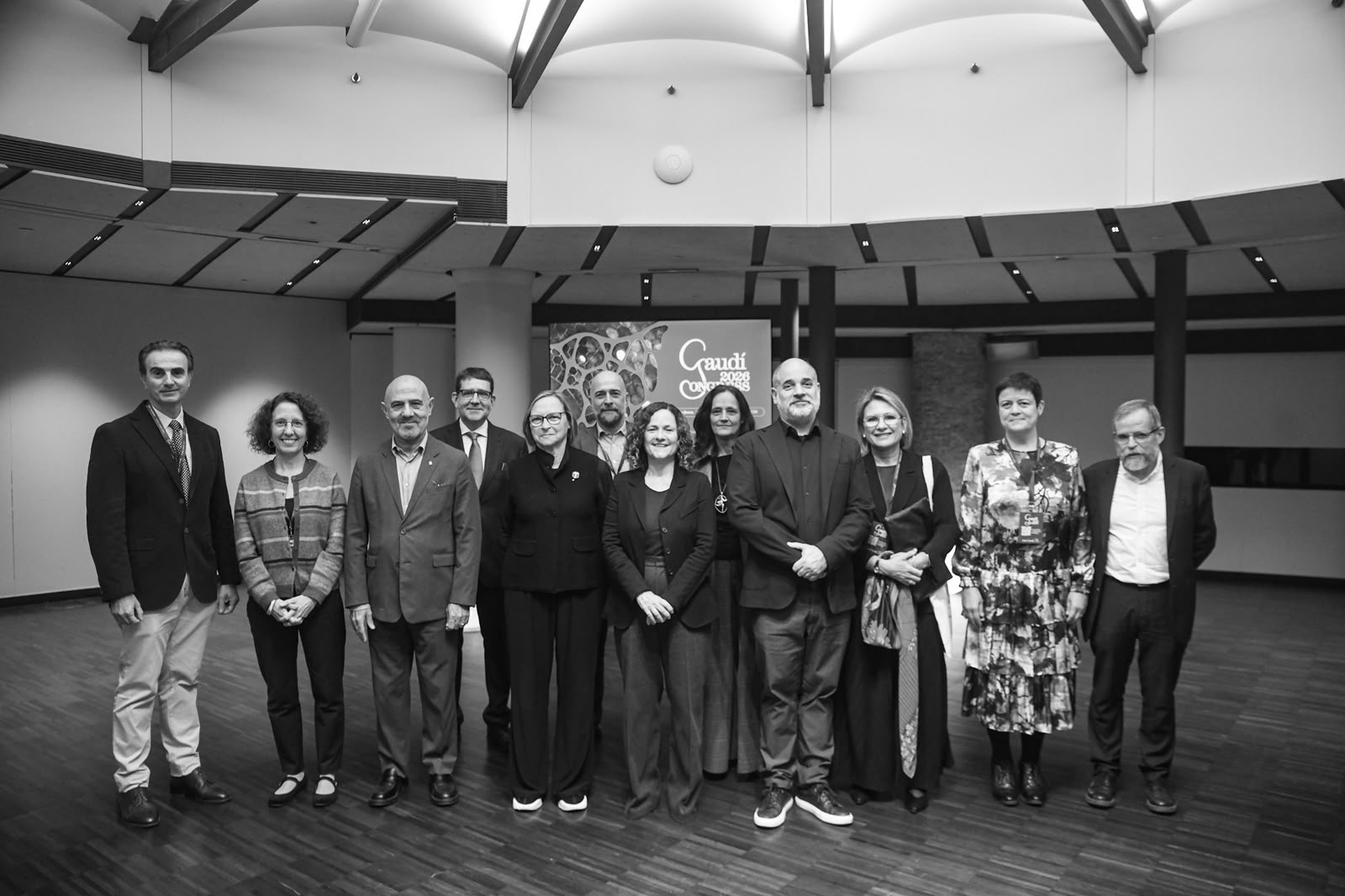
Barcelona is becoming an international meeting point this week for the study of the work and legacy of Antoni Gaudí. As part of the commemoration of the centenary of his death (1852-1926), the city is hosting the first International Gaudí Congress, an initiative that aims to go beyond the anniversary to deepen scientific knowledge of the architect, review interpretations of his work and open new lines of research. The meeting, which is being held from 22 to 25 October at La Pedrera-Casa Milà, was inaugurated by the Minister of Culture of the Generalitat, Sònia Hernández, and Galdric Santana, curator of the Gaudí Year.
The congress was born with the desire to become a stable platform for debate and research, capable of articulating an international community of specialists around a figure who continues to raise architectural, historical, technical and cultural questions. The program brings together forty-four new scientific contributions from researchers and professionals from Europe, Asia and America. Nearly 29% of the works come from outside Spain, a fact that demonstrates Gaudí's international projection and the interest that his architecture arouses in diverse academic contexts.
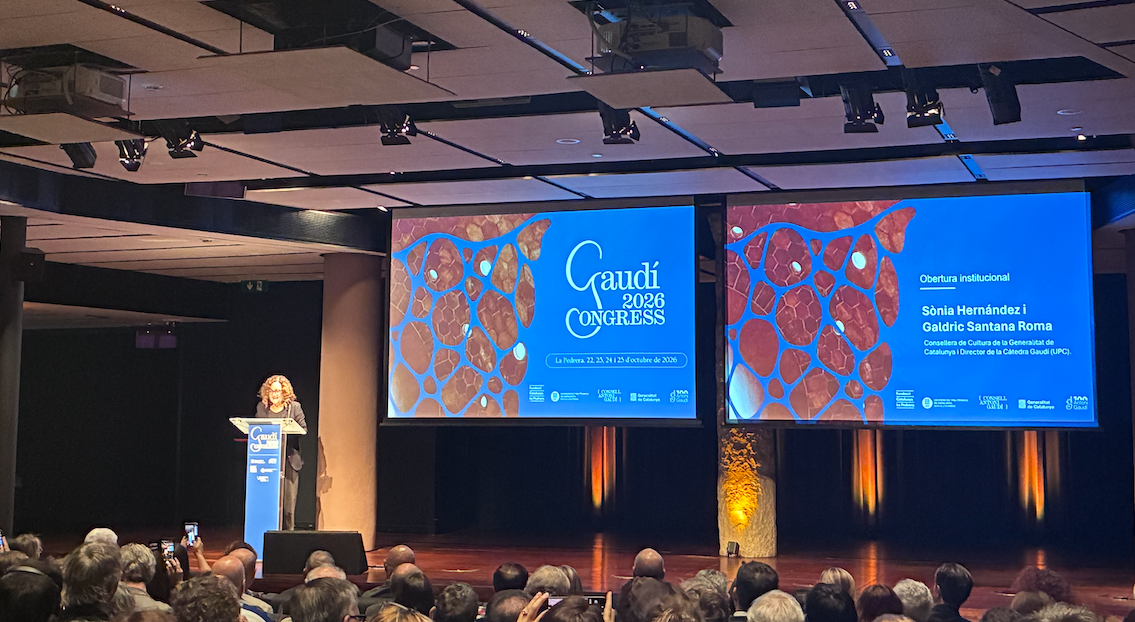
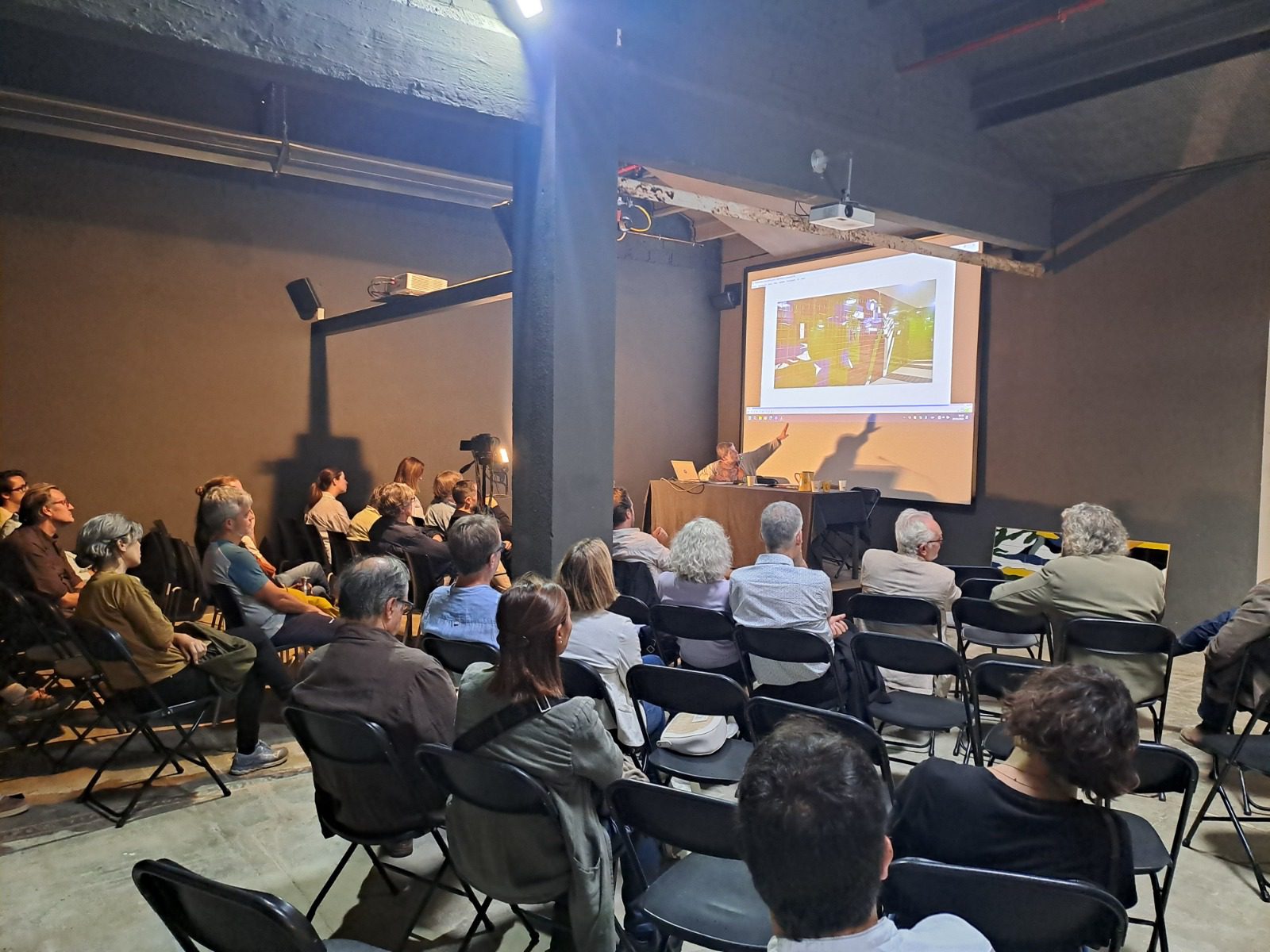
Sònia Hernández, Minister of Culture of the Generalitat de Catalunya, during the institutional welcome and opening of the first International Gaudí Congress, held from 22 to 25 October in La Pedrera, as part of the centenary of the architect's death. Photo: Bonart.
During the opening, Sònia Hernández defended the need to continue this initiative and expressed her desire for the congress to be held every three years. The aim is to keep the scientific dialogue alive and encourage the emergence of new perspectives on the architect. As the minister pointed out, it is about "generating new questions, new perspectives, new dialogues", a statement that places research at the centre of the commemoration and presents the centenary as an opportunity to renew knowledge about Gaudí.
The communications are organized around three main areas. The first, dedicated to the project, technique and conservation, examines the construction procedures, materials and architectural solutions. The second, focused on history, theory and documentation, reviews the sources and contexts that allow us to reconstruct the development of his work. The third, on communication, values and contemporary projection, addresses the symbolic dimension of his legacy and the ways of bringing it closer to current audiences.
The diversity of the studies allows us to approach Gaudí from perspectives that go beyond the most consolidated interpretations. Among the contributions are the analysis of ten drawings attributed to the architect's youth, research on the reuse of tapestries from the Jocs Florals in a scenography by Josep Maria Jujol, the study of the plant ornamentation of the Palau Güell and the iconographic reconstruction of a missing mural from La Pedrera. The constructive evolution of architectural enclosures is also examined and new documentary contributions related to Gaudí's intervention in the cathedral of Mallorca are presented.
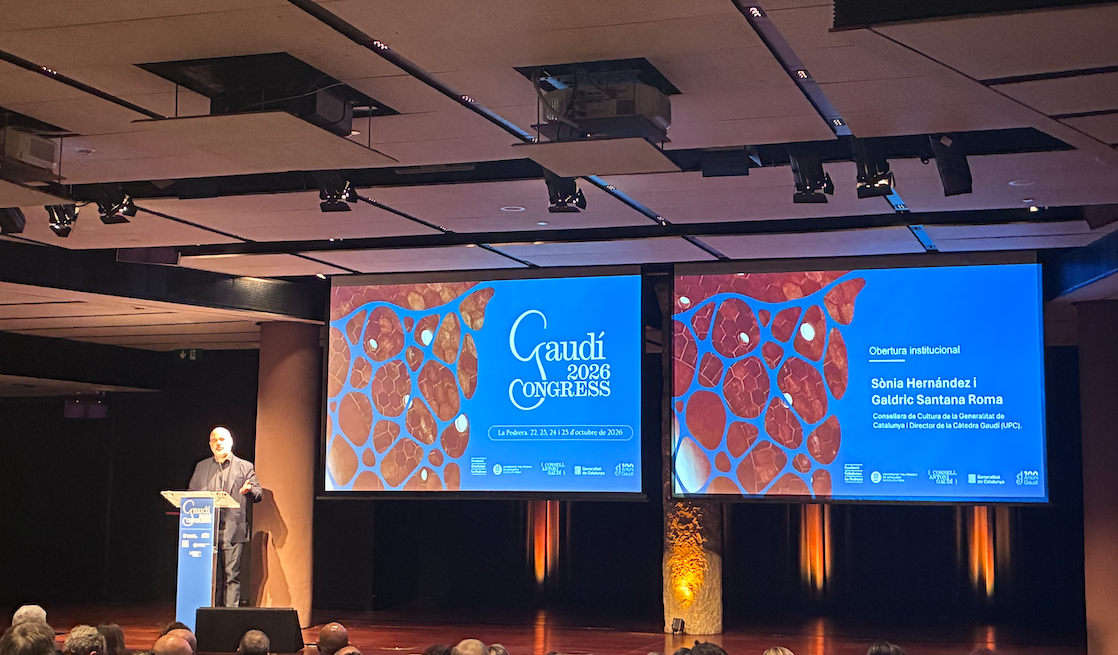
The program also includes a look at the conditions of experience in heritage spaces. The inaugural session began with the intervention of Rosa M. Alsina-Pagès, author of the study Inhabiting Gaudí. Acoustic comfort in the heritage spaces of Casa Milà-La Pedrera: a study of in situ mediations , which explores the acoustic behavior of the building and the relationship between architecture, perception and comfort.
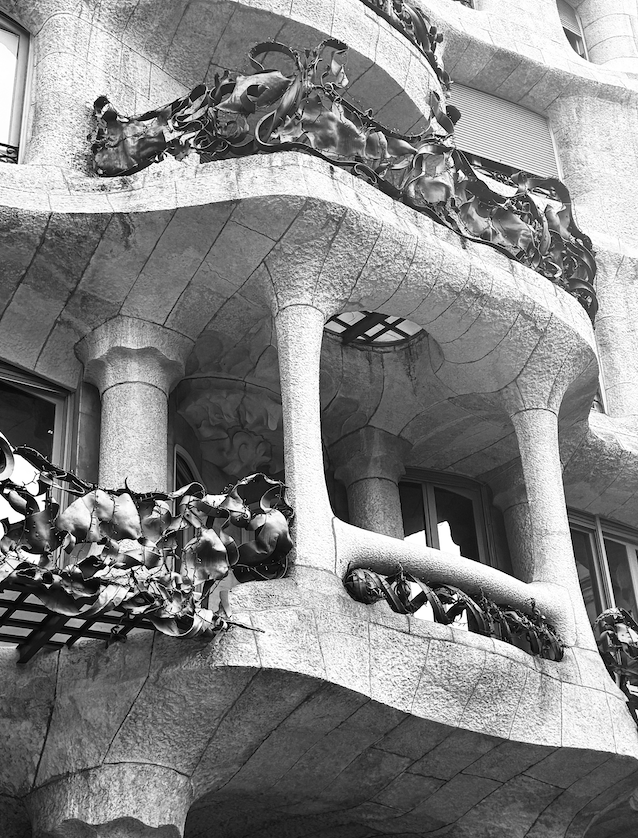
Holding the congress in La Pedrera adds a significant dimension to the meeting. The building is not only the setting for the sessions, but also one of the works that allow us to understand the complexity of Gaudí's architectural thought. From this space, the research unfolds between the analysis of materials, the review of historical documents and the study of the validity of his solutions.


You may be
interested
...