News
Commemoration of the 50th anniversary of the Tribute to Federico García Lorca
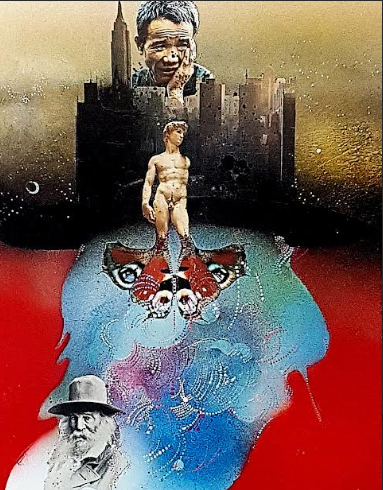
On Sunday, October 25, at 1:30 p.m., at the Teatre Prado Suburense, the celebration of the 50th anniversary of the tribute to Federico García Lorca will take place, in which Núria Espert, Adolfo Marsillach, Enric Majó, Guillermina Motta, Carles Candel, Mercè Comes, Rosa Maria Sardà, Lali Soldevila, among other artists and intellectuals of the time, participated.
The day will begin at 11 am at Pont d'en Domènec, in front of the Subur hotel, with the Lorca a Sitges - Sitges a Lorca route, the last of the season. It is a guided walk through the streets and emblematic places that recall the poet's visits to Blanca Subur, in the summer of 1927, accompanied by Salvador Dalí and surrounded by the editors of the magazine L'Amic de les Arts , and in 1935, when the play Doña Rosita la soltera o el lenguaje de las flores was premiered in Barcelona, performed by Margarita Xirgu. The route also remembers other artists from Sitges or abroad who were inspired by the figure of the martyred poet, in his theatrical works and in his poems. Peter Todd Mitchell, Artur Carbonell, Josep Maria Rosselló or Josep Miquel Serrano kept the flame of memory burning.
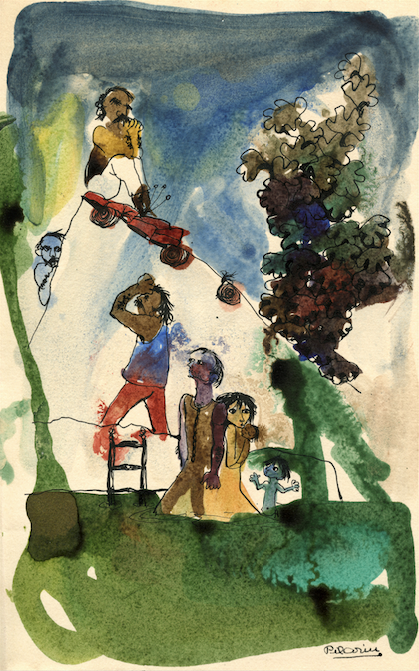
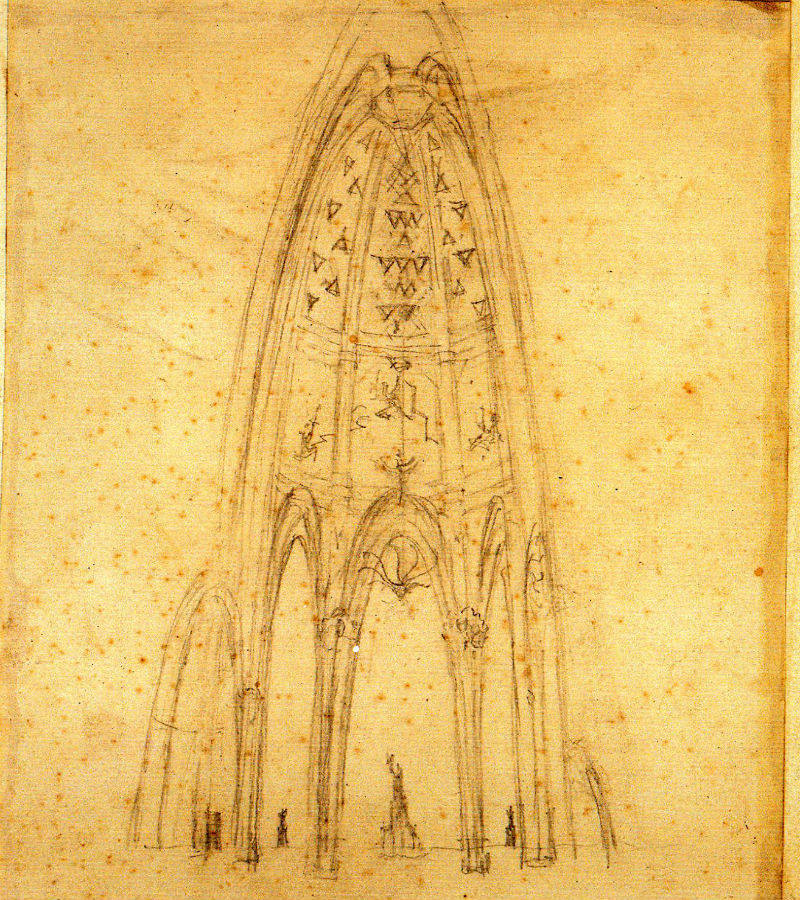
Both the Lorca route and the commemorative recital at the Prado Theatre are free and are organised by the LGTBIQ+ Memory Group of the Colors Sitges Link association, together with the Casino Prado Suburense and the theatre group La Tija. The Sitges Heritage Consortium is collaborating with the exhibition of facsimile paintings that various artists, including Guinovart, Pere Pruna, Ràfols Casamada, Maria Girona, Bruno, Garcia Llort, Garriga Pinell, Todó and Roca-Sastre, made expressly to vindicate the figure of Federico García Lorca, assassinated on 18 August 1936 and silenced by the Franco dictatorship. The exhibition also includes a slide of a collage by Joan Cruspinera.
Eleven months after the dictator's death, in October 1976, the Catalan theatre sector convened this tribute under the secretariat headed by Francisco Sitjà and José María Castellet, whose centenary of birth is being commemorated this year. The event constituted a milestone in the recovery of democratic freedoms, embodied in the memory of Federico García Lorca, who also represented aesthetic ideals and a dissent from heteronormativity.
The event will be hosted by Montserrat Esquerda-Bosch, a researcher who has written several books focused on the literary and artistic themes of Sitges. Some of the actors and artists who participated in the 1976 tribute have confirmed their presence, such as the veteran Mercè Comes and the couple formed by Annie Pakula and Joan Cruspinera, author of a collage that breathes the aesthetic and political spirit of Lorca's poetry, full of feeling and pregnant with the future. The organizers are calling for people to fill the Prado Theater on Sunday, October 25, where, fifty years ago, at the end of the event, a republican flag was unfurled and, from the second floor, leaflets were thrown denouncing the elitism of an event dedicated to the one who was vindicated as the people's poet, Federico García Lorca.
According to Vinyet Panyella, "It was a tribute from Catalonia to García Lorca, literary and civic, an affirmation against violence and fear." "With a lot of fear and a lot of emotion at the same time, because it was the first one organized in the Spanish State," recalls Enric Majó. The voice of Margarida Xirgu was also heard reciting "Romance de la luna luna," and Lorca's verse: "If I die, leave the balcony open..."

You may be
interested
...