Exhibitions
La Bisbal d'Empordà claims ceramics as the language of the future
The third Terracotta Biennial brings together artists, ceramists and professionals from October 23 to 25 to explore the links between contemporary creation, architecture, sustainability and innovation.
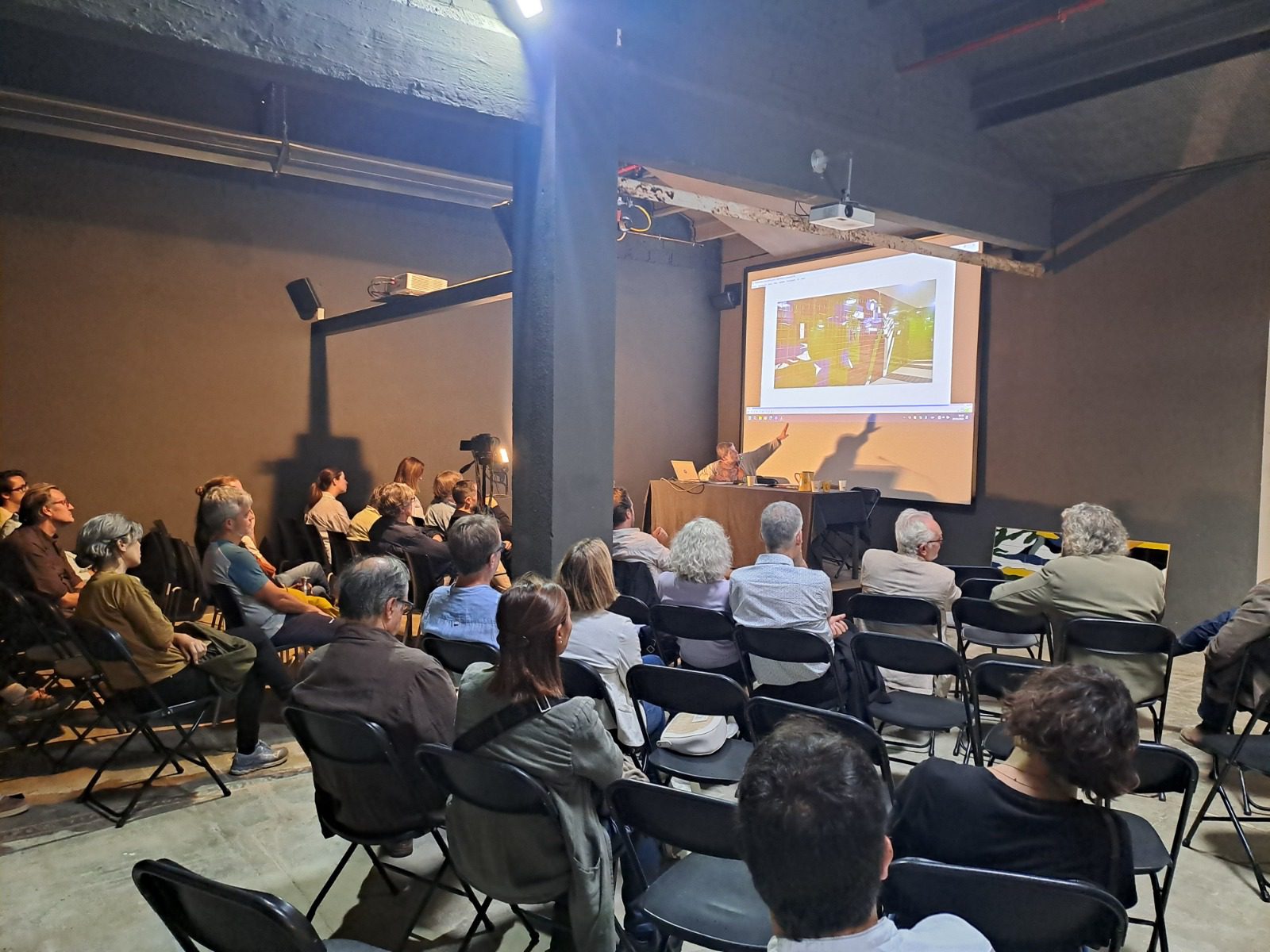
La Bisbal d'Empordà once again places ceramics at the center of the contemporary artistic debate with a new edition of the Terracotta Biennial, which from October 23 to 25 will bring together creators, ceramists and professionals from the sector around the new paths of this discipline. In its third edition, the meeting claims the capacity of ceramics to go beyond artisanal tradition and become a space for research, innovation and transformation, connecting the ceramic heritage of the territory with artistic practices and the challenges of today's society.
Organized by the City Council of La Bisbal d'Empordà and the Terracotta Museum, with the support of the Association of Ceramistes de La Bisbal, the Biennial offers three days of activities that combine exhibitions, conferences, round tables, demonstrations and exchange spaces. The program links the ceramic tradition of the territory with current practices and the challenges of a sector that seeks new forms of production, expression and connection with society.
The program is structured around the Ceramics Meeting and Reflection Forum, which this year adopts the motto Contemporary Ceramics as an Engine of Transformation . The conference is organized around three axes: transforming the territory, transforming the imaginaries and transforming the material. Three perspectives that allow us to address the relationship of ceramics with architecture, heritage, landscape and sustainability; explore the new languages of artistic creation, and delve deeper into material experimentation, work processes and technological innovation.
The first day, Friday 23 October, will open the Biennial with the inauguration of the Contemporary Ceramics Gallery and various exhibition and audiovisual activities. Among the proposals are the exhibition In Silent Shadows and Between Dreams , by Santi Moix, with a guided tour by curator Xavier Rocas, and the exhibition Echoes , by Anne-Laure Cano. The program also includes the screening of Kesseki , a film by Anna Ventura Natsuki.
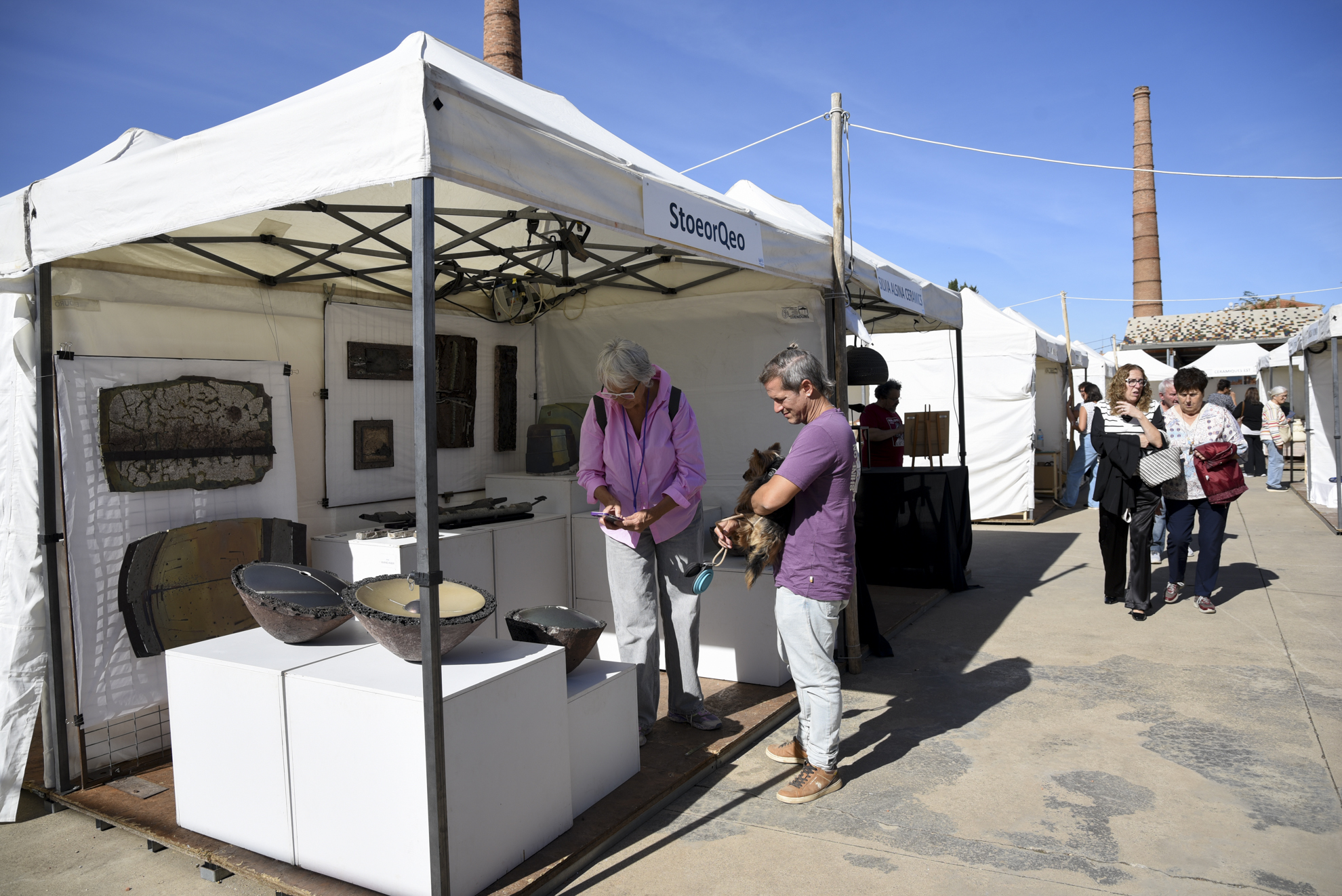
On Saturday 24, the Forum will focus its morning sessions on the relationship between ceramics, architecture and territory. Ceramist Toni Cumella will speak about the capacity of ceramics to transform space, while Ariadna Asturias, from GRETA, will address the links between architecture, territory and social transformation. The interventions of Ramon Ripoll Masferrer, Ceràmiques Ferrés and Twobo Arquitectura will complete a reflection on the identity of place, industrial innovation and the opportunities of ceramics in contemporary architecture. The round table "Does ceramics create territory?", moderated by Josep Ferrés, will close the morning block.
In the afternoon, the debate will move towards the limits of ceramics as an artistic language. Madola, Claudi Casanovas and Marc Iturri will star in several interventions dedicated to the relationship between matter and creation, while Miquel Alzueta will moderate the round table Who buys contemporary ceramics? Art, collecting and the market . The day will be completed with the inauguration of the Pièce Unique room and the show El Temple de la Llum , with visual poems and music by Pilar Aldana and guest artists, at Brava Arts.
On Sunday, October 25, the program will focus on the transformation of matter and research processes. Carles Vives, from ACC, Joan Serra and Joan Ramon Rosell will address issues such as experimentation, fire as a research tool and the possibilities of new binders, clays and ceramic materials. Xavier Mañosa, from Apparatu, will explore the dialogue between craftsmanship, design and technology. The round table What does it mean to research with ceramics? , moderated by Oriol Calvo, will close the conference, which will also include the awarding of the Terracotta Biennial Ceramics Award.
The Contemporary Ceramics Gallery will be one of the main spaces of the meeting, with eighteen selected participants who will present original pieces and signature ceramic proposals. The project aims to facilitate contact between creators, the public, collectors and gallery owners, while contributing to giving visibility to the diversity of practices in the sector. In this same context, the Biennial Terracotta Ceramics Award, promoted by the Association of Ceramistes de la Bisbal, will recognize one of the participating artistic proposals.
The Biennial will also feature an exhibition program that includes Living Ceramics (9th edition) , by the Association of Ceramists of La Bisbal; Red Vase , by Madola; Ceramics and Architecture. Coromina, Rafael Masó and the Genesis of the Gabarra , in the museum's cloister, and an exhibition of the works participating in the award. This set broadens the view of ceramics and highlights the continuity of its links with architecture, design and contemporary artistic practices.
Since its first edition in 2020, dedicated to new technologies and 3D printing, the Terracotta Biennial has proposed different approaches to the transformation of the discipline. In 2024, the dialogue between ceramics and architecture was the focus of the conference; this year, the call broadens the focus to address the capacity of this ancient craft to influence the cultural, social and economic spheres.

You may be
interested
...