News
The MNAC opens the debate on the museum of the future
The "MNAC in Transformation" program brings together international museum directors, architects and experts in cultural strategy to reflect on the expansion of the museum and new forms of relationship with the public.
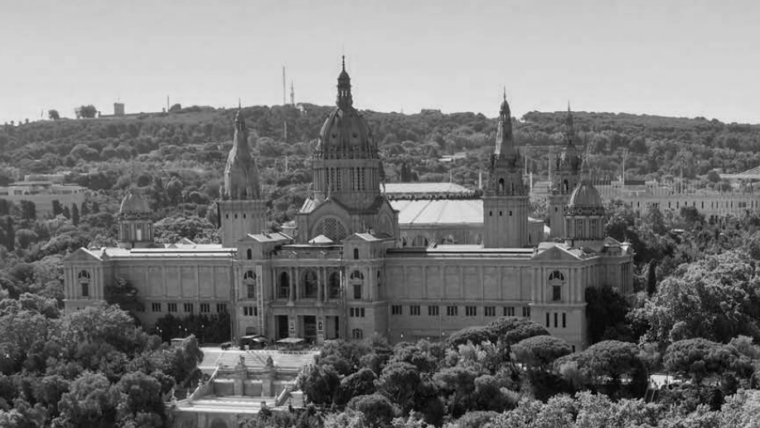
What should the museum of the future be like? What role should major cultural institutions assume in the face of social, urban and cultural changes in the 21st century? The Museu Nacional d'Art de Catalunya (MNAC) opens these questions to public debate with MNAC en transformación , a program that wants to share with the public the process of expanding the institution and reflect on the opportunities that this project offers to redefine its public function.
The initiative was born with the desire to make the museum's transformation process transparent, which is not limited to gaining space, but also proposes new ways of understanding the institution, expanding its uses and strengthening ties with society. The program is aimed at professionals in the cultural sector, artists and creators, educational communities and diverse audiences, with the intention of incorporating multiple voices into a shared reflection on the future of the facility.
The activities will be carried out throughout the country through face-to-face and digital formats, in collaboration with cultural agents and community networks, and also through monographic publications. In this way, the MNAC wants to turn its architectural and institutional transformation into an opportunity to rethink the role of museums in collective life.
The first major event will take place on Saturday, October 24th in the Oval Room, with a day dedicated to international experiences and museum management models. The session will begin at 10:30 am with the presentation and welcome by Pepe Serra, director of the MNAC, and will give way, from 11 am, to interventions by four heads of prominent international institutions: Adriano Pedrosa, artistic director of the Museu de Arte de São Paulo; Caroline Campbell, director of the National Gallery of Ireland; Marc-Olivier Wahler, director of the Musée d'art et d'histoire de Geneva, and Francesca Cappelletti, director of the Galleria Borghese in Rome.
Their contributions will allow for different perspectives on the mission of museums, the relationship with the public and the challenges that institutions face in a context of cultural transformation. At 1:30 p.m., a question and answer session moderated by Pepe Serra will bring together the speakers in a joint debate, before the lunch break, scheduled between 2 and 3:30 p.m.
The day will continue in the afternoon with a focus on architecture and the design of cultural spaces. At 4 p.m., cultural strategy advisor András Szántó will introduce a conversation between Elizabeth Diller, architect and co-founder of the Diller Scofidio studio, and Stephan Schütz, architect and partner at gmp Architekten. At 5:30 p.m., the dialogue will continue with Shohei Shigematsu, architect and partner at OMA, and Kulapat Yantrasast, architect, founder and creative director of WHY Architecture. Both conversations will focus on the relationship between architecture, cultural experience and the evolution of museum institutions.
The program will continue on Thursday, November 19, at 11 a.m., with the conference Civic and Global: the V&A as a Cosmopolitan Museum , by Sir Tristram Hunt, director of the Victoria and Albert Museum in London. The speech will be followed by a conversation with Pepe Serra, which will allow us to delve deeper into the role of museums as spaces open to cultural diversity and connected to the transformations of contemporary societies.
With MNAC in transformation , the museum proposes a reflection that goes beyond the physical expansion of its facilities. The project places at the center issues such as accessibility, citizen participation, the educational dimension and the capacity of institutions to establish new relationships with their environments. The presence of international museum managers and architects with experience in large cultural projects contributes to opening the debate to other models and ways of imagining the future.



You may be
interested
...