Exhibitions
Abstraction breaks down borders
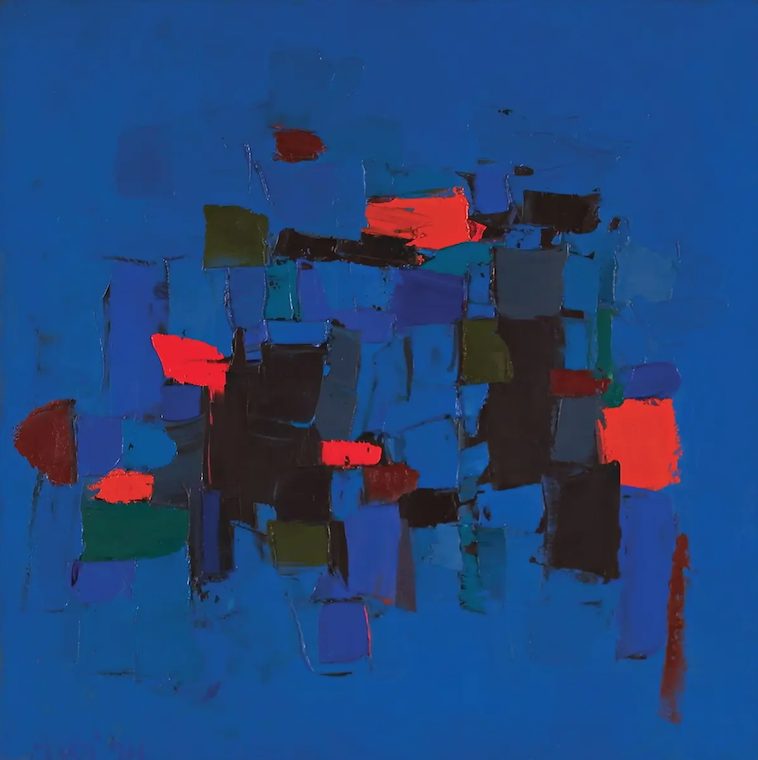
What happens when identity ceases to be understood as a stable category and becomes an open space, traversed by migrations, memories, and transformations? This question forms the backbone of Diasporican Abstraction: Identities Beyond Representation , an exhibition that proposes a re-examination of the narratives of abstract art in Puerto Rico, the Caribbean, and the United States from the perspective of the diaspora. Presented at the Museum of Contemporary Art of Puerto Rico (MAC), the exhibition brings together works by more than sixty artists from different generations and backgrounds, whose practices establish a network of relationships that transcends the boundaries of national histories and conventional categories of belonging.
The exhibition, open from September 26, 2026, to March 28, 2027, is structured around distinct thematic ecosystems that group the works according to their conceptual, formal, and procedural affinities. Instead of offering a linear interpretation of abstraction, the exhibition proposes constellations and connections between artists who, from diverse geographical and cultural contexts, have found in this language a way to explore experience, memory, and identity. The galleries dedicated to María Emilia Somoza, Myrna Báez, Arnaldo Roche Rabell, and Julio Rosado del Valle are part of this exhibition framework.
The project stems from a critical review of the narratives that have shaped the interpretation of abstract art, often understood as a universal language detached from its historical and political context. For art historian and curator Cecilia Fajardo-Hill, abstraction cannot be reduced to the traditional opposition between realism and figuration, nor can it be considered a homogeneous artistic expression, devoid of content and the capacity for intervention. On the contrary, it constitutes a pluralistic field in which forms, materials, and processes can articulate complex discourses about the social and cultural conditions in which they are produced.
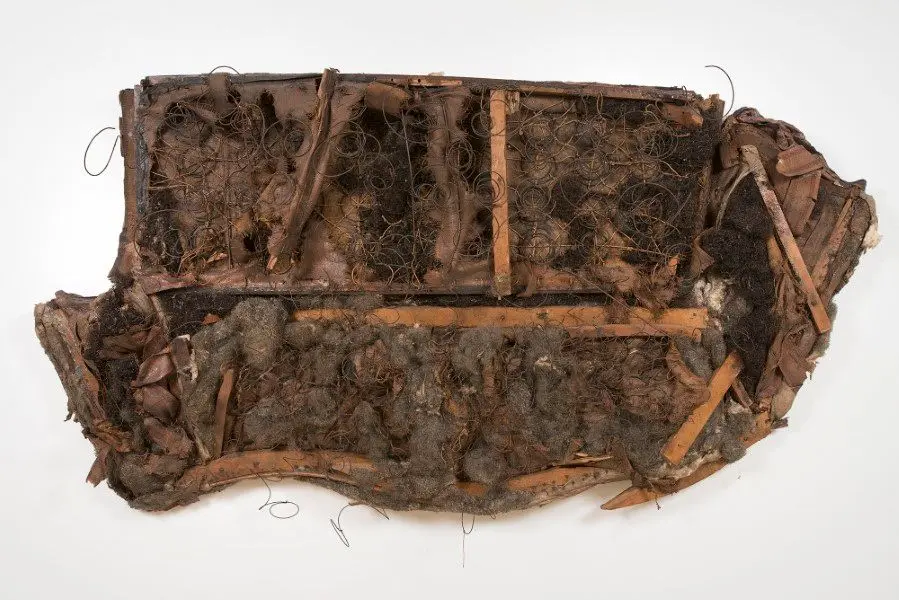
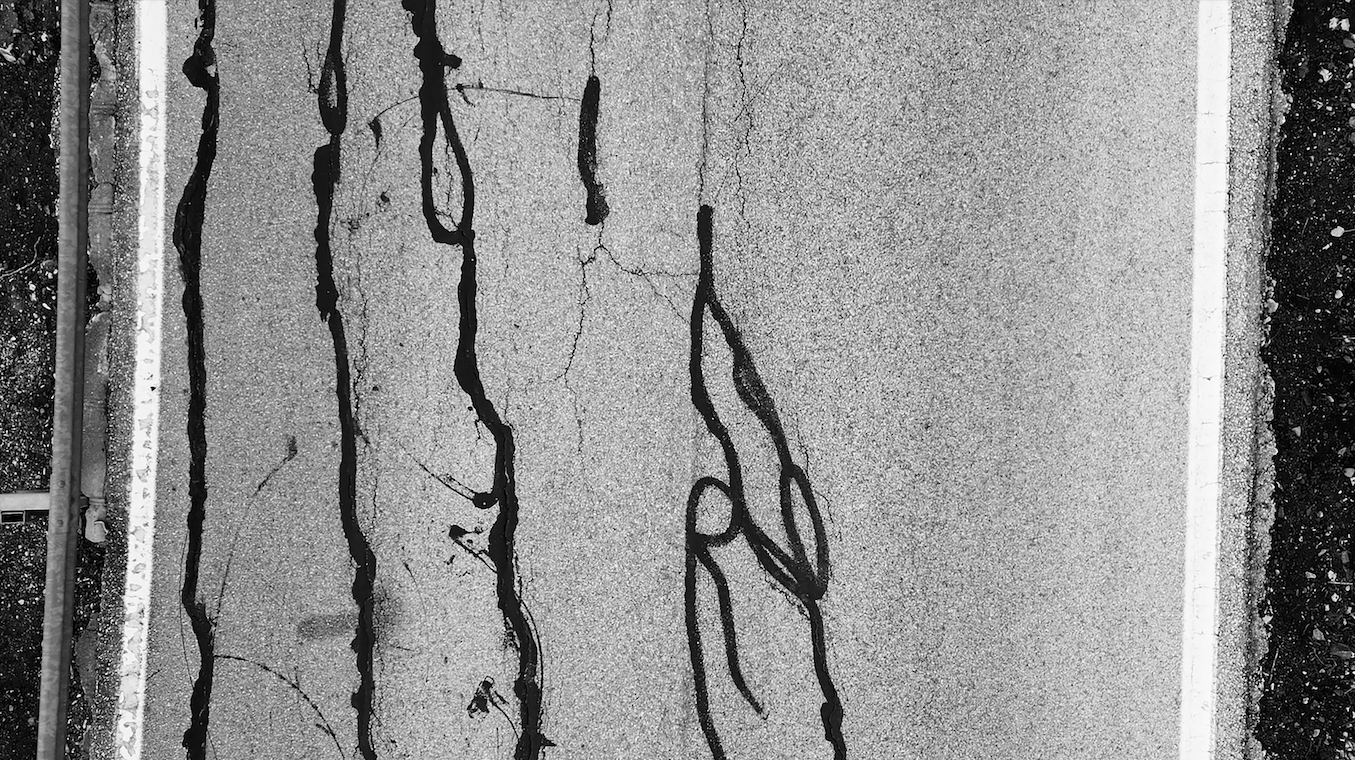
Raphael Montañez Ortíz, Archeological Find #22: The Aftermath, 1934, © Raphael Montañez Ortíz.
In the Puerto Rican context, this perspective takes on a particular dimension. Abstraction opens a fissure in the identity discourses constructed around the nation, territoriality, and colonial condition of Puerto Rico. In contrast to definitions that attempt to fix a collective identity within predetermined limits, the practices gathered in the exhibition reclaim other modes of belonging, capable of incorporating the diversity of experiences of those who live among territories, languages, and cultures.
The diaspora, therefore, occupies a central place in this review. The habitual separation between artistic production developed in Puerto Rico and that produced by Puerto Rican artists based in the United States, Canada, Europe, Australia, and elsewhere has contributed to fragmenting a cultural history that shares experiences, influences, and concerns. Diasporican Abstraction seeks to reconstruct these connections and acknowledge the plurality of voices that participate in the construction of contemporary art in the region.
The curator of the exhibition at the MAC, Abdiel D. Segarra, points out that the project establishes intergenerational relationships between artists from different geographical locations and cultural contexts. Its objective is to bridge the historiographical gaps that for decades have limited the incorporation of diasporic experiences into the history of Puerto Rican and American art. At the same time, the exhibition presents abstraction as a language capable of transcending the dichotomies between nation and colony, without relinquishing the political and historical complexity of the contexts in which it arises.
The commitment to abstraction also implies resisting representations that reduce individual and collective experiences to fixed stereotypes. The works do not necessarily seek to offer recognizable images of a community, but rather to explore the possibilities of expression that emerge when identity remains open, in transformation, and in dialogue with other realities. Opacity, intuition, and formal experimentation thus become tools for questioning dominant perspectives and asserting the capacity of communities to define their own narratives.
This openness connects the exhibition to a broader reflection on the cultural function of art. Abstracting from conventional figurative codes does not mean abandoning reality, but rather finding other ways of approaching it. Color, gesture, structure, and matter can articulate experiences that cannot be easily translated into stereotypical images or closed geopolitical categories. In this sense, abstraction emerges as a space of critical freedom from which to consider migrations, cultural heritages, and the multiple forms of belonging.
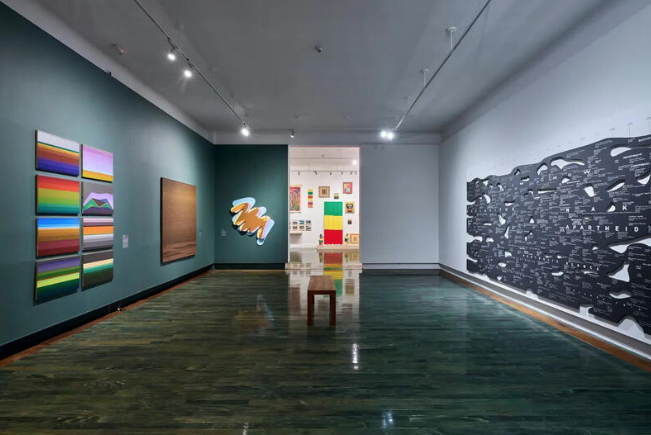
The exhibition also aims to pay tribute to the memory and legacy of migrant communities, whose cultural work has helped to challenge prejudices and broaden collective imaginations. For the museum, hosting artists who, from distant territories and across different decades, have developed languages capable of escaping imposed representations offers an opportunity to recognize the power of these experiences and their contribution to the history of art.
Marianne Ramírez, executive director and curator of the MAC, emphasizes that the exhibition reflects the institution's commitment to educating its audiences and presenting critical perspectives on the transformations of artistic creation. The project aims to highlight the silences within historical narratives, broaden the canons of art in Puerto Rico, the Caribbean, and the United States, and foster exchange between generations and geographical regions.


You may be
interested
...