
Exhibitions
Edward Hopper, the artist who turned loneliness into a universal image
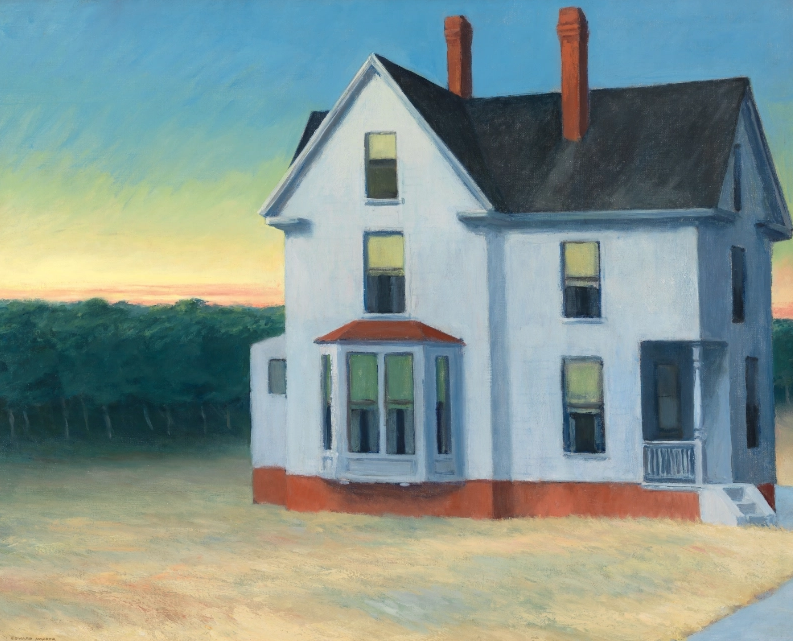
Urban architecture, quiet spaces, and human figures suspended in a moment of introspection are some of the most recognizable features of Edward Hopper's (1882-1967) world. His paintings, capable of transforming everyday scenes into images imbued with mystery, continue to exert a powerful fascination for their depiction of loneliness, the passage of time, and the complexity of the modern experience. Around these themes, Palazzo Blu in Pisa presents Edward Hopper: New York and Beyond , an exhibition that offers a journey through the career of one of the most influential American artists of the 20th century.
Curated by Barbara Haskell, curator at the Whitney Museum of American Art, along with Caroline Webb, assistant curator at the same institution, the exhibition brings together more than 150 works and is organized into five thematic sections that trace the main stages of Hopper's life and artistic evolution. Paintings, watercolors, drawings, prints, and archival materials offer a broad overview of his work and the circumstances that helped define his unique visual language.
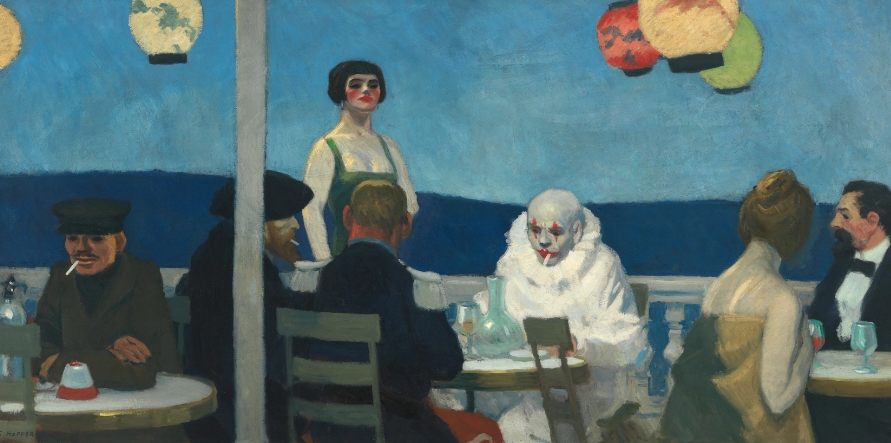
New York City held a fundamental place in the artist's life and work. For nearly six decades, the city was his home and a pivotal setting for the development of his artistic vision. Its streets, buildings, interiors, and public spaces became recurring motifs in a style that observes urban life from a unique perspective. In his compositions, figures often appear isolated, confined to rooms, restaurants, or train stations, while light and architecture acquire a presence as significant as the human figure itself.
However, Hopper's imagination was not limited to the metropolitan landscape. The travels and places he encountered throughout his life also played an essential role in shaping his work. The discovery of Paris, the New England coast, and his extensive journeys across the United States broadened his repertoire of settings and helped solidify an artistic sensibility attentive to the relationships between space, light, and the human presence.
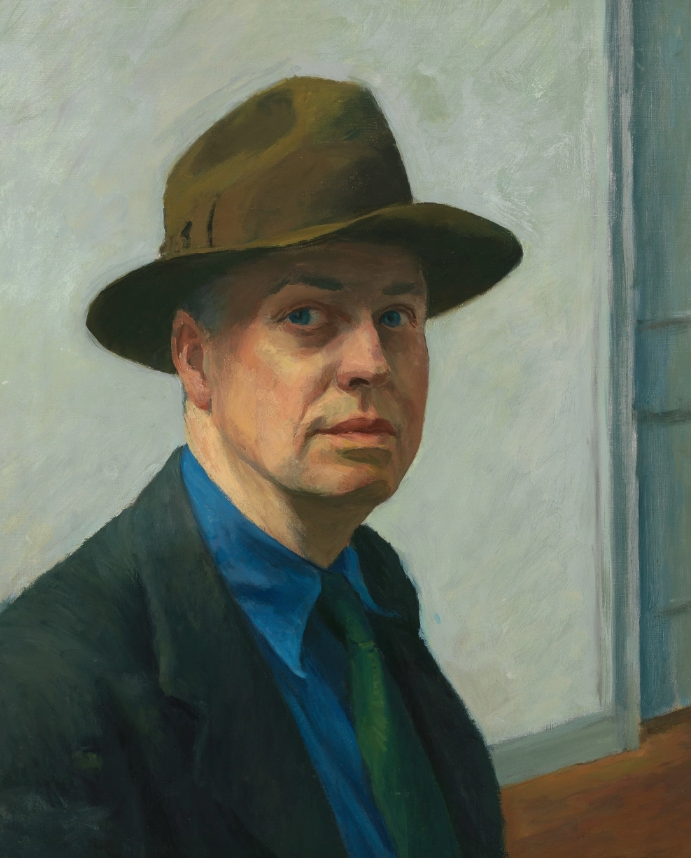
The exhibition highlights precisely this geographical dimension of his work. Cities, landscapes, and buildings function not merely as backdrops for his scenes, but as elements capable of defining moods and suggesting open-ended narratives. Hopper transforms seemingly ordinary situations into enigmatic images, in which silence, distance, and the absence of explicit action invite the viewer to fill in what remains hidden.
Through five thematic sections, Edward Hopper: New York and Beyond reconstructs the creative journey of an artist who developed a recognizable and unmistakable vision of modernity. The diversity of techniques and documents allows us to observe how his language evolved without losing the compositional precision or emotional intensity that characterize his works. His ability to capture the tension between the individual and the environment, as well as the ambiguity of everyday spaces, explains the enduring relevance of a style of painting that continues to resonate with contemporary audiences.
The exhibition can be visited at Palazzo Blu, in Pisa, from October 14, 2026 to March 7, 2027, and offers an opportunity to discover the breadth of a career in which New York constitutes the starting point of a much more extensive artistic exploration.

You may be
interested
...