
News
The Sorolla Museum reveals its new architecture
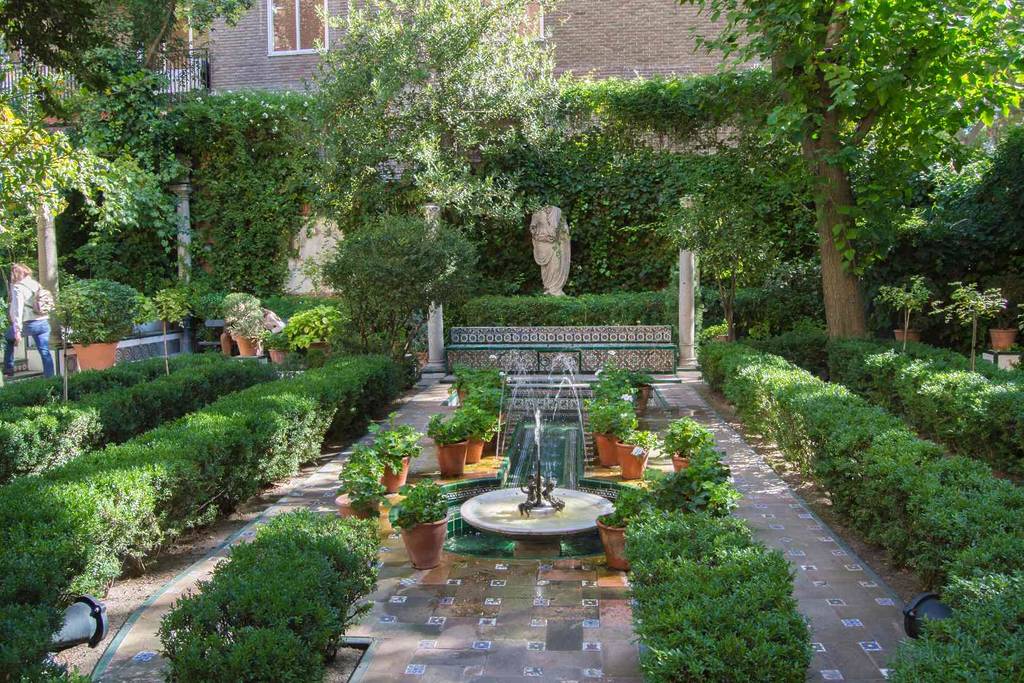
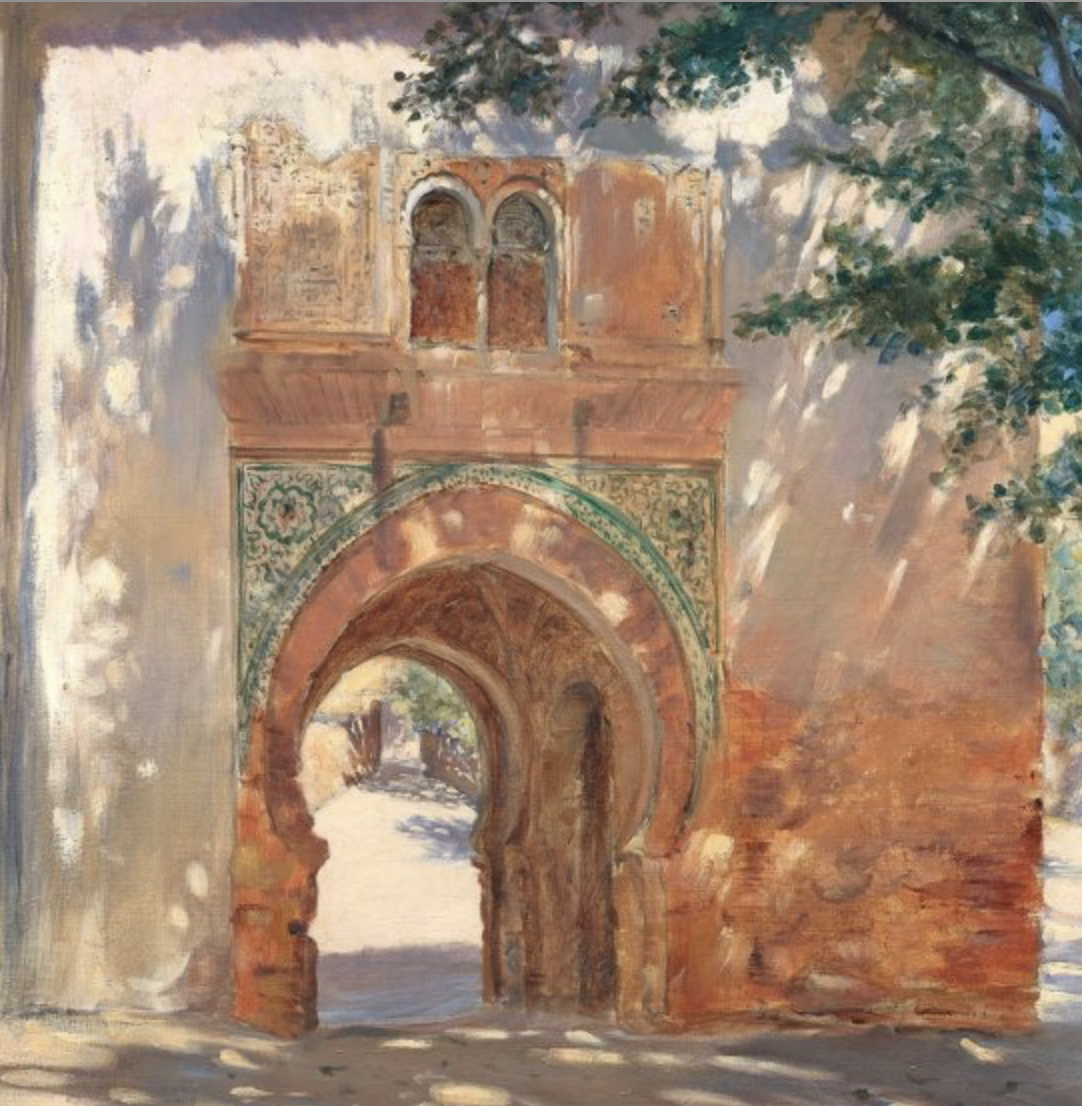
The house where Joaquín Sorolla lived and worked is once again at the heart of Madrid's cultural life. After two years of closure for expansion and renovation work, the Sorolla Museum will partially reopen its doors on October 15, 2026, with "Behind the Artist's House: Architectures of the Sorolla Museum (1905-2026) ," an exhibition that reconstructs the architectural history of the house and its evolution from the project conceived by the Valencian artist to its transformation into a museum.
Curated by Covadonga Blasco Veganzones, the exhibition offers an interpretation of the building through paintings, drawings, sculptures, photographs, plans, correspondence, and archival documents. This collection allows visitors to trace the different stages of a house that, in addition to being a fundamental space in Sorolla's personal and artistic development, has undergone successive adaptations to meet the needs of conservation, study, and exhibition of its collections.
The exhibition thus shifts the focus from the artworks to the spaces that housed them, highlighting domestic architecture as an integral part of the painter's legacy. The exhibition allows visitors to rediscover the original concept of the dwelling and understand how subsequent interventions have modified its uses and its relationship with the public over more than a century.
The reopening marks a new chapter for the institution, characterized by the expansion of its facilities and the addition of spaces for temporary exhibitions, an auditorium, and various work areas related to the treatment, storage, and management of the collections. The project aims to increase the museum's capacity while preserving its connection to the house's historical identity and the creative world of its former owner.
The director of the Sorolla Museum, Enrique Varela, highlighted the architectural significance of the project, which he described as "architecture in the truest sense," and emphasized the need to provide the institution with the appropriate organization and resources to face this new phase. In this sense, the expansion represents not only an improvement to the infrastructure, but also an opportunity to rethink the museum's operating conditions and development.
The opening, however, will be gradual. While the new building begins receiving visitors, the historic mansion and its gardens will remain temporarily closed, pending the completion of work related to universal accessibility and infrastructure improvements. The ongoing construction therefore necessitates distinguishing between the opening of the new spaces and the comprehensive restoration of the historic complex.

You may be
interested
...