Exhibitions
Jaume Plensa takes his monumental language beyond silence
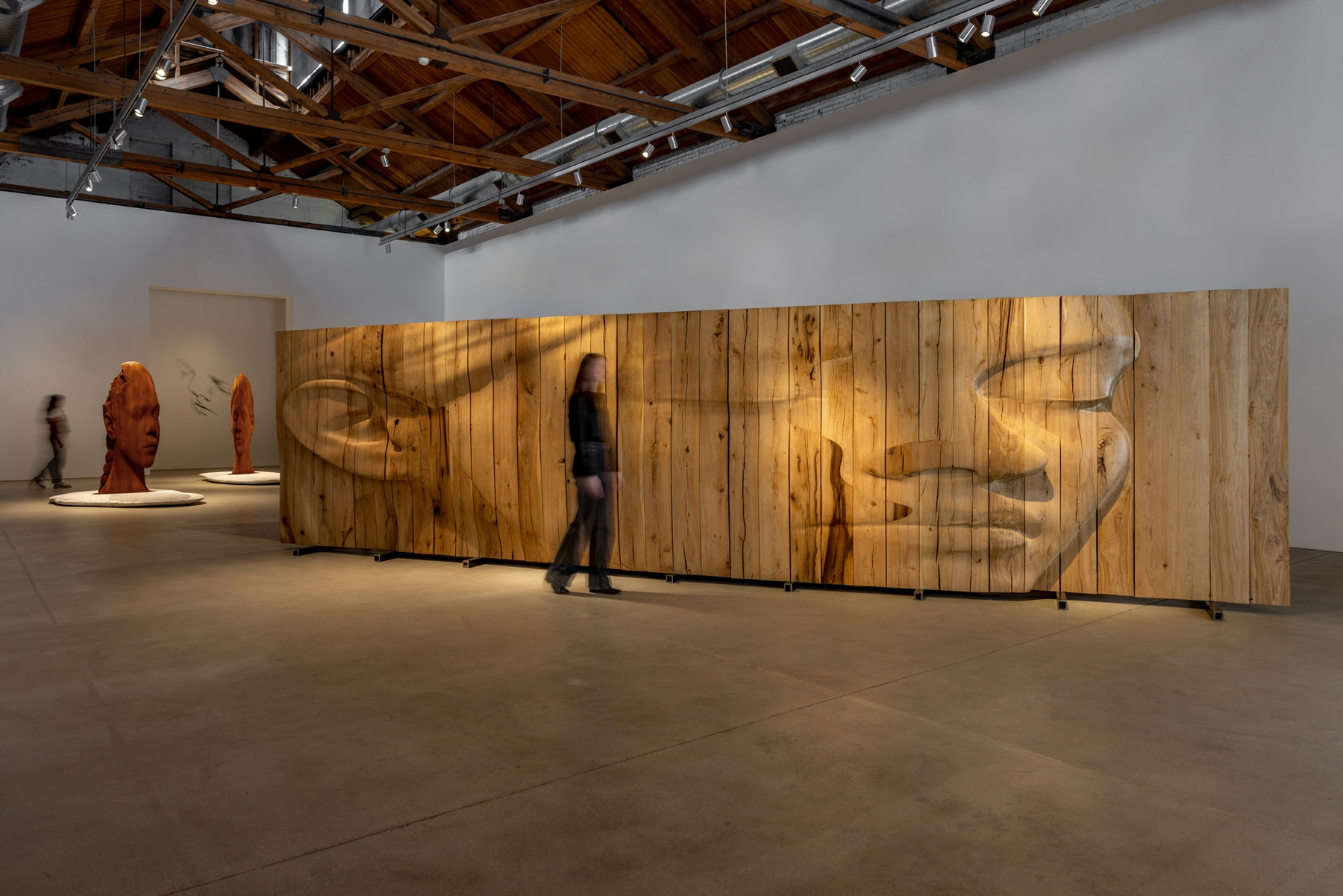
Scale and matter have been two of the constants that have defined Jaume Plensa's career and that once again occupy a central place in Beyond Silence , the new exhibition that the artist presents at GRAY Chicago until December 19, 2026. The show, which marks his tenth solo exhibition with the gallery, brings together a collection of sculptures that explore different dimensions and materials to return to one of the essential questions of his work: the representation of the human figure as a space for encounter and shared experience.
Plensa, now one of the most internationally renowned and sought-after Spanish artists on the contemporary art scene, has developed a distinctive sculptural language over the last few decades, in which monumentality, poetry, and memory coexist with a profound reflection on the human condition. In Chicago, this exploration takes on a new dimension through works that establish a direct dialogue with the gallery's architecture.
At the heart of Beyond Silence are two enormous carved wooden reliefs, Beyond Silence (Julia) and Beyond Silence (Maria) , each 28 feet long. These pieces traverse the exhibition space and establish a direct relationship with the large wooden trusses that characterize the interior of GRAY Chicago. Their scale transforms the human figure into a kind of architectural presence and blurs the boundaries between sculpture and built space.
Alongside these reliefs are three sculptures from the new Clouds series, each seven feet tall. Plensa combines cast iron and granite in these pieces, two materials with seemingly opposing characteristics. The industrial solidity of the iron contrasts with the polished surface and visual density of the granite, creating a tension that paradoxically conveys a sense of suspension and lightness.
At the heart of the exhibition, the tone shifts. The bronze sculptures of the Twilight series, approximately twenty inches tall, significantly reduce the scale and alter the relationship between artwork and viewer. In contrast to the architectural character of the large reliefs and vertical sculptures, these pieces offer a closer and more intimate encounter with the figure.
The exhibition Beyond Silence thus reveals one of the fundamental characteristics of Plensa's practice: his ability to alter our perception of the human figure through scale, material, and its relationship to space. From the monumental to the intimate, from wood to bronze, from the weight of iron to the apparent weightlessness of his forms, the artist once again places the body and silence at the heart of a body of work that has achieved a truly international dimension.


You may be
interested
...