
News
Bartomeu Marí takes over as director of the CAAC
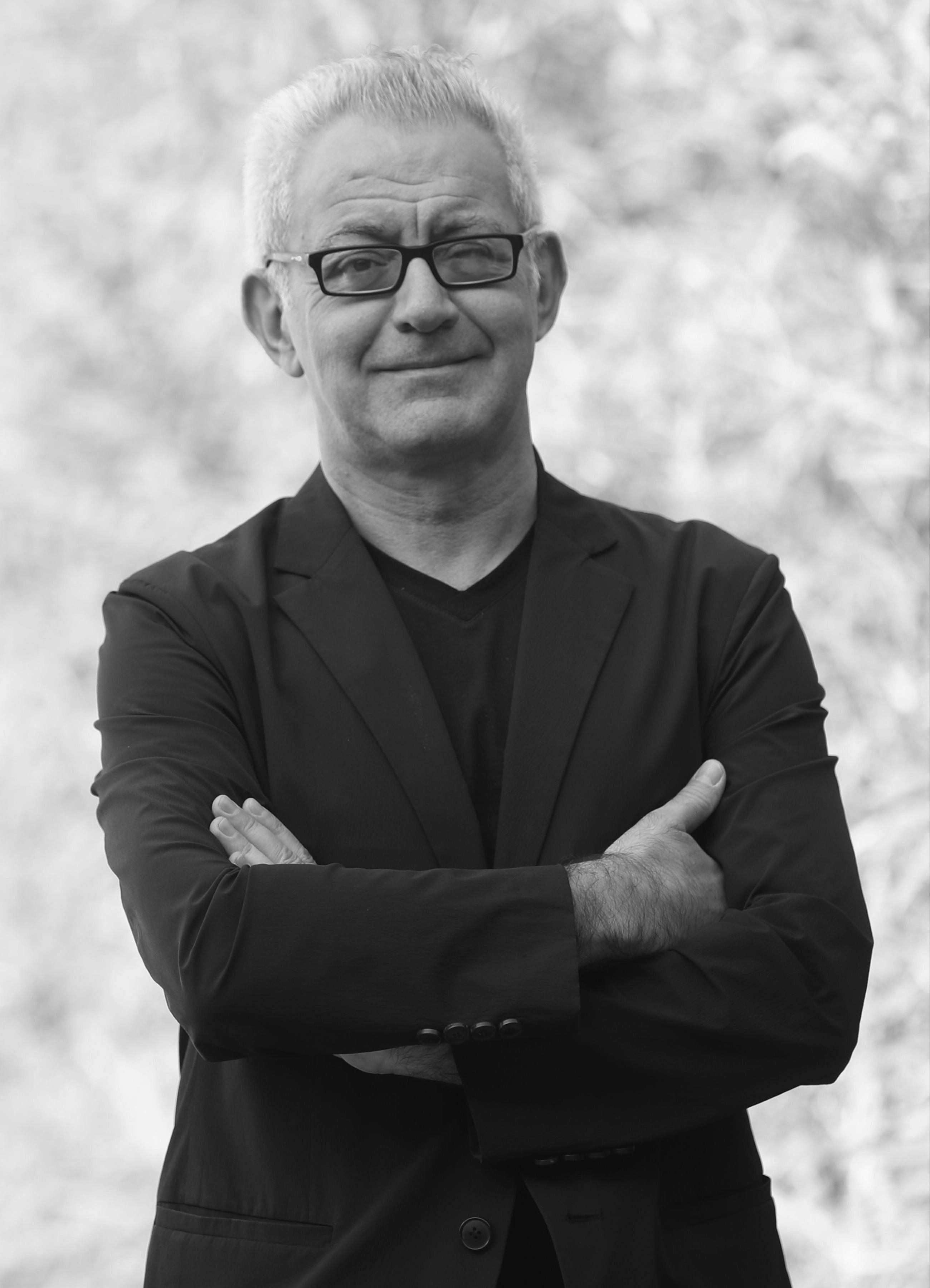
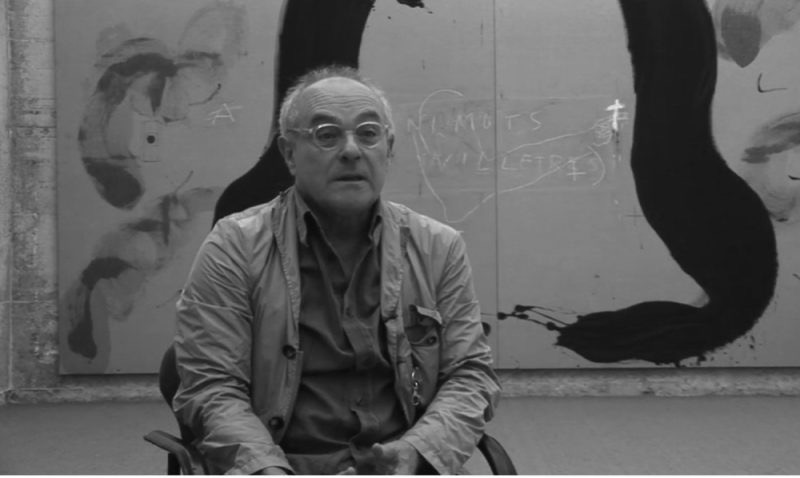
The Andalusian Center for Contemporary Art (CAAC) is entering a new phase with Bartomeu Marí Ribas (Ibiza, 1966), whose appointment as director will soon be proposed by the Minister of Culture, Historical Heritage, and Sport of the Andalusian Regional Government, Patricia del Pozo, to the Governing Council. Marí will also assume the directorship of the Center for Contemporary Creation of Andalusia (C3A) in Córdoba, after winning the public selection process that followed the departure of Jimena Blázquez. The call for applications ultimately attracted 25 candidates and an evaluation committee comprised of art historian and museographer Miguel Zugaza, art historian and critic Beatriz Espejo, and curator José Ignacio Roca.
The appointment returns to the helm of the CAAC a professional with extensive international experience in museum management, curating, and critical analysis of contemporary art institutions. Marí directed the Museu d'Art Contemporani de Barcelona (MACBA) from 2008 to 2015, after having served as the institution's chief curator. His career also includes directing the National Museum of Modern and Contemporary Art (MMCA) in South Korea from 2016 to 2018, and the Lima Art Museum (MALI), which he joined in 2019. Previously, he directed the Witte de With Center for Contemporary Art in Rotterdam—now the Kunstinstituut Melly—from 1996 to 2001, in addition to working at the Fondation pour l'Architecture in Brussels, the IVAM, and on the project that would eventually become Tabakalera in San Sebastián.
His project for the CAAC and the C3A envisions an institution with a greater capacity for dialogue both within and beyond Andalusia. Among its main strategic objectives are the international promotion of Andalusian art, along with strengthening ties with the region's artistic community. The proposal also includes addressing, through the museum, some of the major challenges facing contemporary society by presenting exhibitions that generate social and intellectual debate and explore the connections between contemporary art and other forms of heritage.
Marí's appointment comes after nearly a year of interim leadership at the CAAC. Jimena Blázquez resigned in October 2025, citing personal reasons, after two years at the helm of the institution. The Board then announced its intention to hold a public competition to appoint her successor and expressly stated that the procedure would follow the recommendations of the Good Practices Document for Museums and Art Centers in Spain.
The formula chosen to fill the directorship now represents a change from the process followed in 2023. Blázquez had been appointed by the Governing Council in October of that year without a public call for applications. That procedure generated criticism from some in the contemporary art sector and even led to the mass resignation of the CAAC's technical committee. The Board defended the appointment at the time, arguing that it complied with the legal framework, as it was a position with the rank of director general and subject to discretionary appointment.
With this new call for applications, the Ministry of Culture opted to incorporate best practice recommendations and value both the candidates' professional experience and their artistic and management projects. The guidelines also established an interview phase and an external committee comprised of individuals with recognized expertise in the field of museums and contemporary art.
You may be
interested
...