Exhibitions
John Gerrard transforms ocean debris into digital spirits
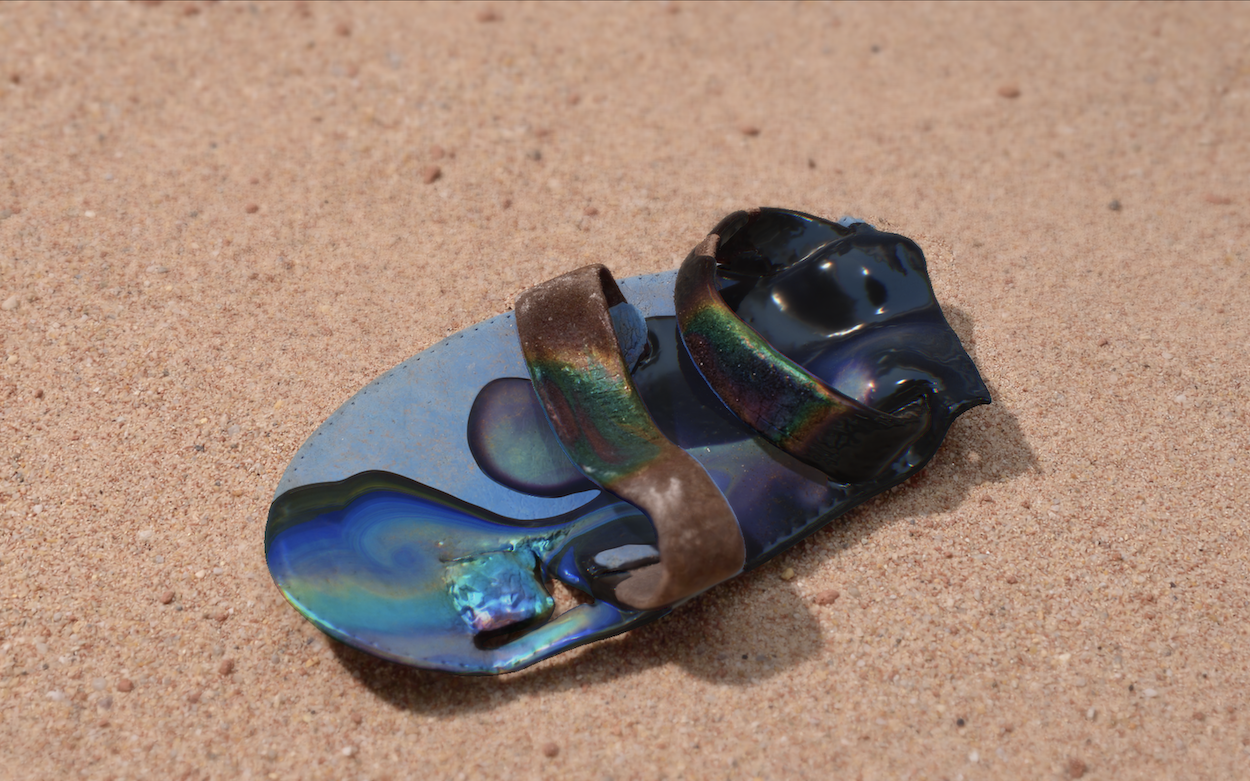
Irish artist John Gerrard uses a seemingly simple gesture to construct SPIRITS , a work conceived to unfold over a year and be experienced directly through a mobile phone browser. Between December 21, 2025, and December 20, 2026, the project also occupies a unique space within the programming of LACMA in Los Angeles: that of a work that doesn't require a physical space to unfold, but rather uses the screen as its artistic territory.
Gerrard has collected 96 plastic sandals and shoes found on beaches around the world. These seemingly insignificant, abandoned objects nevertheless possess a human dimension: they were used by someone, traveled certain paths, and ended up as part of a landscape marked by waste and pollution. Each one contains an unknown story and, at the same time, a trace of human movement and the relationship between consumption, the ocean, and nature.
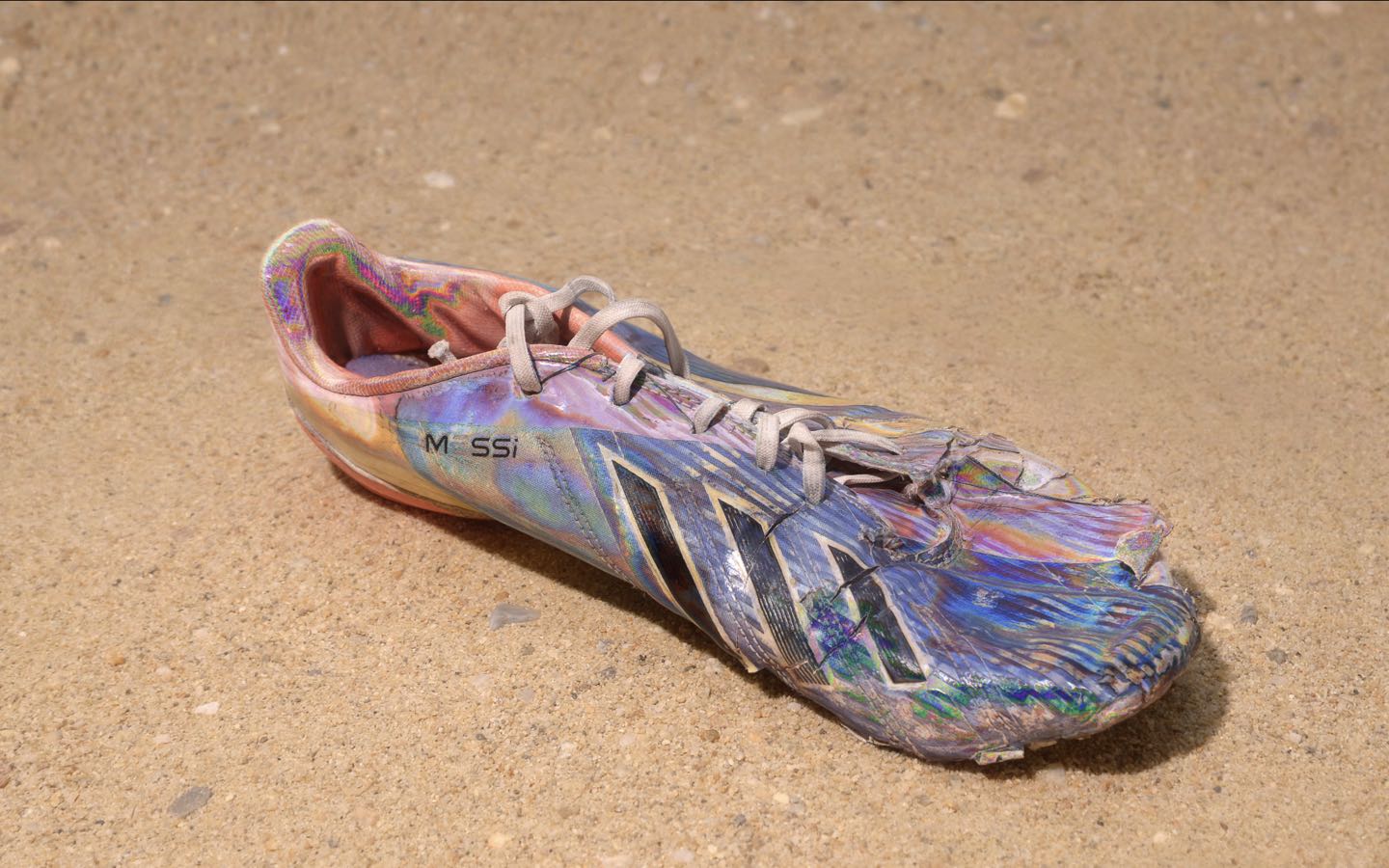
Using these objects, the artist employs high-resolution photographic scanning techniques to transform them into what are known as 'Gaussian splats,' a technology that allows the construction of three-dimensional representations from large quantities of images. The shoes thus cease to be mere waste and acquire a new sculptural and digital presence. Gerrard places them in a virtual space where they can appear superimposed on oil slicks or ocean currents, establishing a dialogue between the remnants of human activity and the dynamics of the sea itself.
The work is also structured through time. SPIRITS unfolds in four 24-hour events linked to the solstices and equinoxes. During these days, spirits gradually appear on the LACMA homepage: a new one emerges each hour, until they form a unique constellation of found objects, anonymous memories, and ocean landscapes.
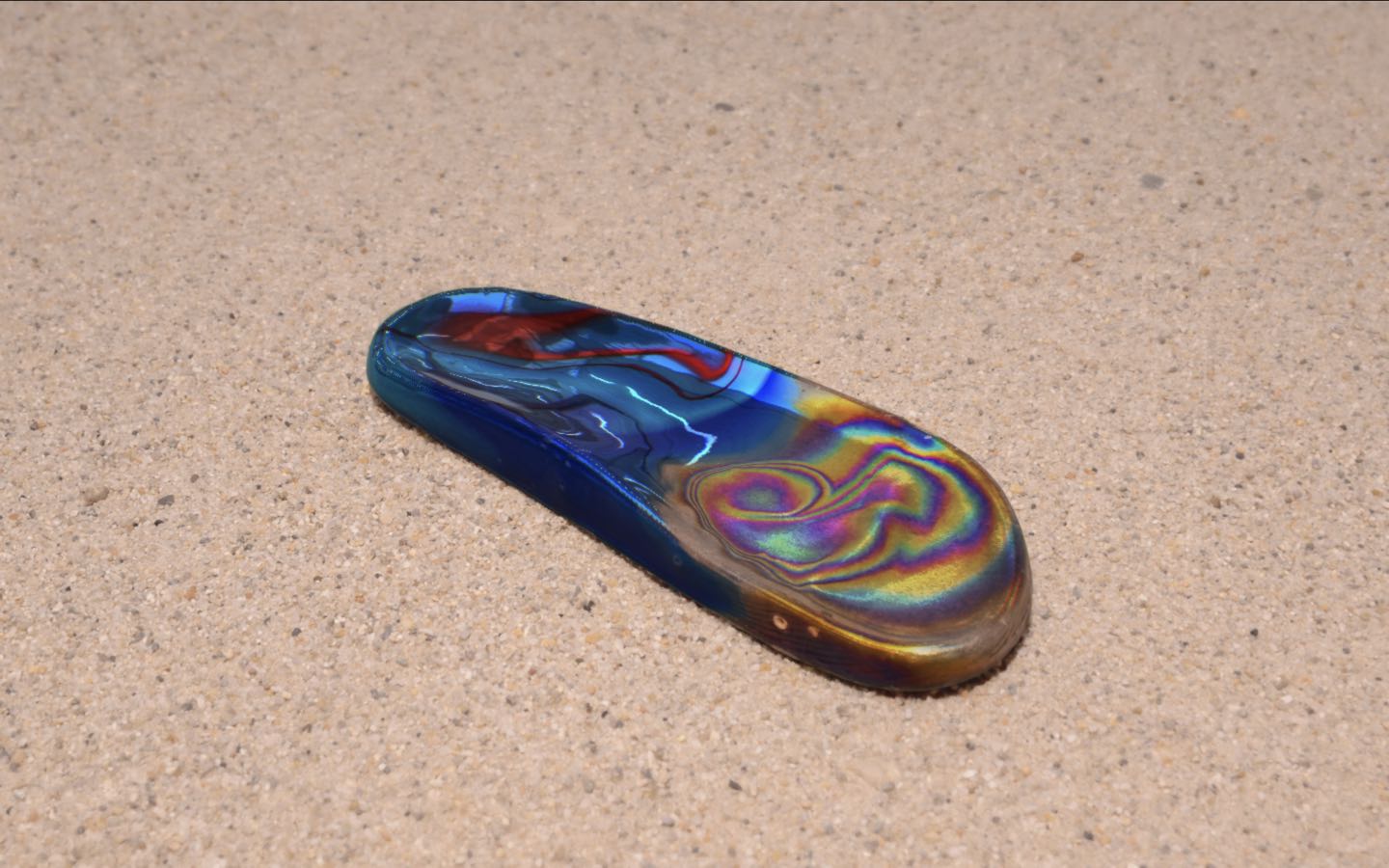
The choice of title is not accidental. These abandoned shoes function as ghostly presences of those who wore them, but also as material testimonies of a world in which objects outlive their owners and continue to circulate through natural spaces long after having lost their original function. Gerrard thus transforms residue into memory and memory into image.



You may be
interested
...