Exhibitions
The Museum of Antioquia, an archive open to the city
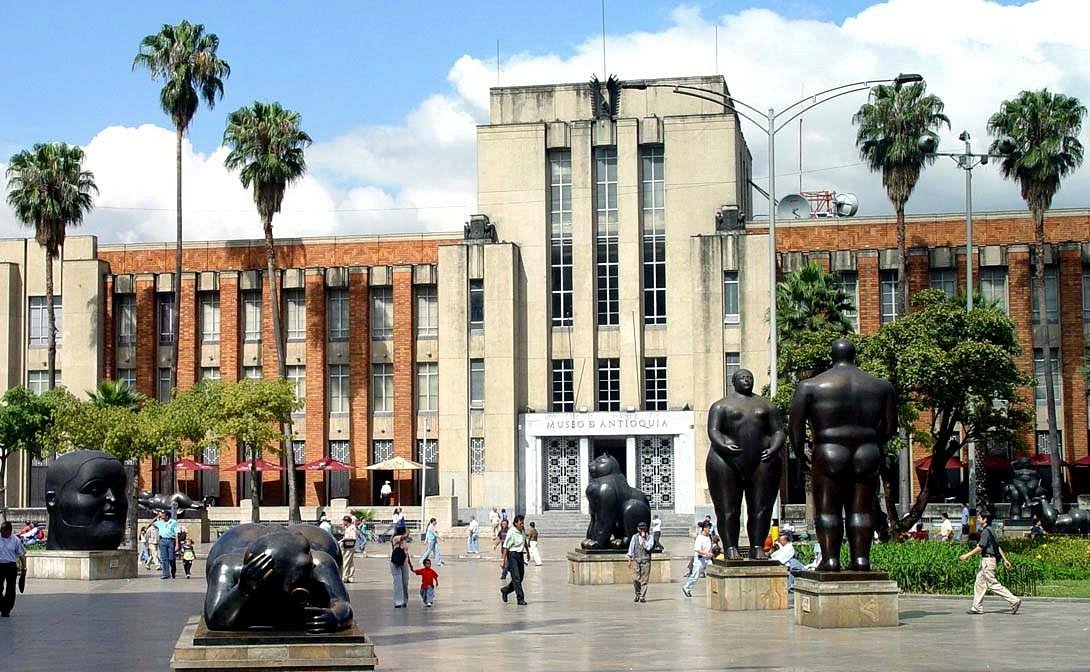
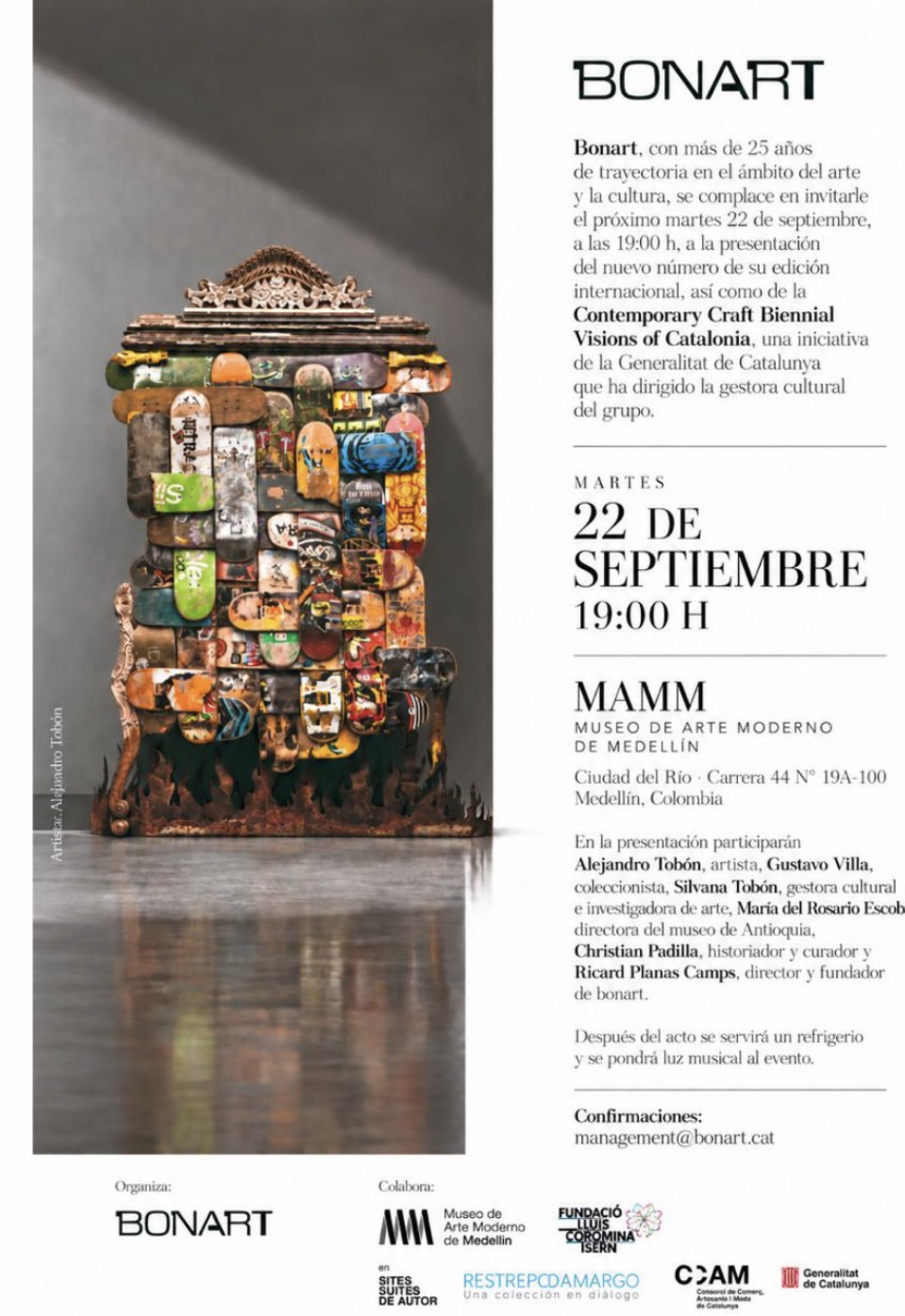
The Museum of Antioquia will be one of the key venues for the presentation of the third international issue of Bonart , which will take place on September 22nd in Medellín. The institution, a fundamental reference point in the Colombian museum scene, will be represented at this event by María del Rosario Escobar P., the museum's director, who will present an overview of its history, its collections, and, especially, the transformations that have led the institution to rethink its relationship with the city and with contemporary artistic practices.
Founded in 1881, the Museum of Antioquia boasts over 140 years of history and has occupied the former Medellín City Hall since 2000, a building constructed in 1936 by architect Nel Rodríguez. The building's architecture is particularly significant for understanding the museum model that has developed in recent decades: its four facades and more than 80 doors allow us to conceive of the institution not as a closed space, but as a building permanently connected to the city. The former City Hall also preserves the murals of Pedro Nel Gómez, which now engage in dialogue with some of the collection's key works.
This commitment to openness finds one of its main expressions in the Museo 360° project, initiated a decade ago. The proposal stems precisely from the building's unique architectural structure, projecting its contents outwards and establishing new relationships with downtown Medellín. The strategy is not limited to bringing the museum to the street, but rather seeks to engage with nearby communities through the creative potential of contemporary art. From this perspective emerged programs such as La Consentida , Las Vitrinas , La Esquina , Calle Museo , and Diálogos con Sentido —initiatives that have broadened the ways in which the institution, its audiences, and its surroundings can participate and interact.
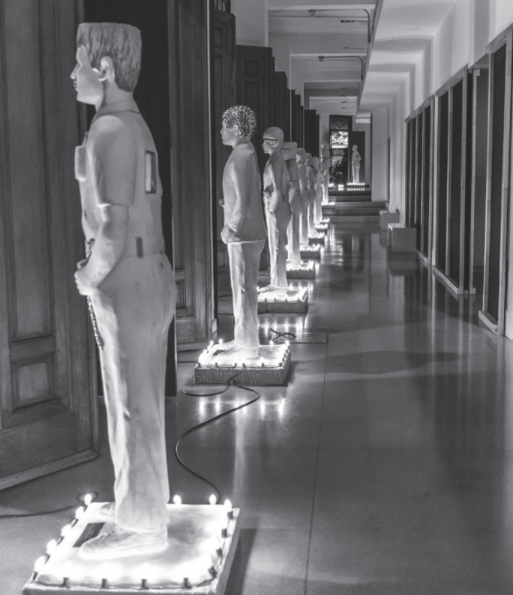
The result of this trajectory now crystallizes in Variations of the Present: The Archive of the Common and Radicalism in the Understanding of the Existing , a long-term exhibition that summarizes ten years of research and experimentation around Museum 360°. The proposal poses a fundamental question: what does it mean to be a museum in a city undergoing social, cultural, and urban transformations, and to what extent can artistic practices contribute to understanding these transformations?
In this exploration, the present does not appear as a separate category from heritage. On the contrary, contemporary practices permeate the different areas of the institution: the way in which the collections are interpreted, the mediation mechanisms, new ways of collecting art and archives, and, above all, the daily relationship with the surrounding environment. The museum thus understands contemporary art less as a succession of temporary exhibitions than as a way of generating questions about reality.
The historical collection remains one of the institution's cornerstones. Highlights include the galleries dedicated to Fernando Botero and Débora Arango, as well as long-term exhibitions on ceramics, modern art, and the history of Colombian art. The museum also houses the largest collection of paintings, drawings, and sculptures by Fernando Botero, a legacy closely linked to Medellín and the institution's own history.
The connection with Botero extends beyond the museum walls. In front of the museum is Plaza Botero, home to 23 monumental sculptures donated by the artist to Medellín, creating one of the city's most recognizable public spaces and a prime example of the integration of art, urban space, and community.
In addition to this dimension, the museum carries out significant documentary and educational work. The Library of the Museum of Antioquia, linked to the institution since its founding, houses specialized collections in the plastic and visual arts, while the Fernando Botero Documentation Center gathers materials related to the artist's life and career. The institution also develops audience development programs aimed at broadening access to artistic experiences and fostering connections between the museum and different sectors of the community.
You may be
interested
...