
Exhibitions
Antonio Imedio and Felipe Barreiro between shadows and ghosts
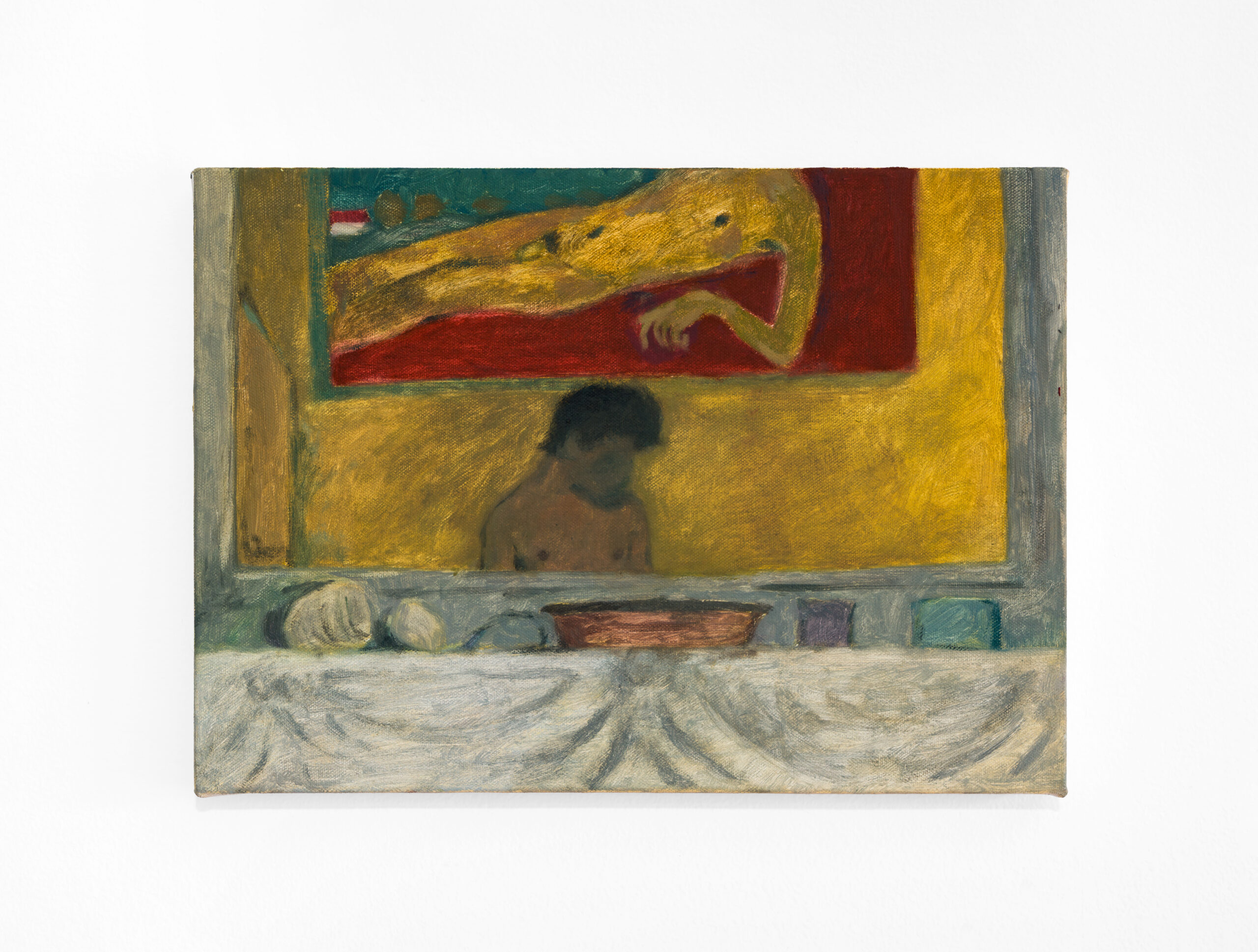
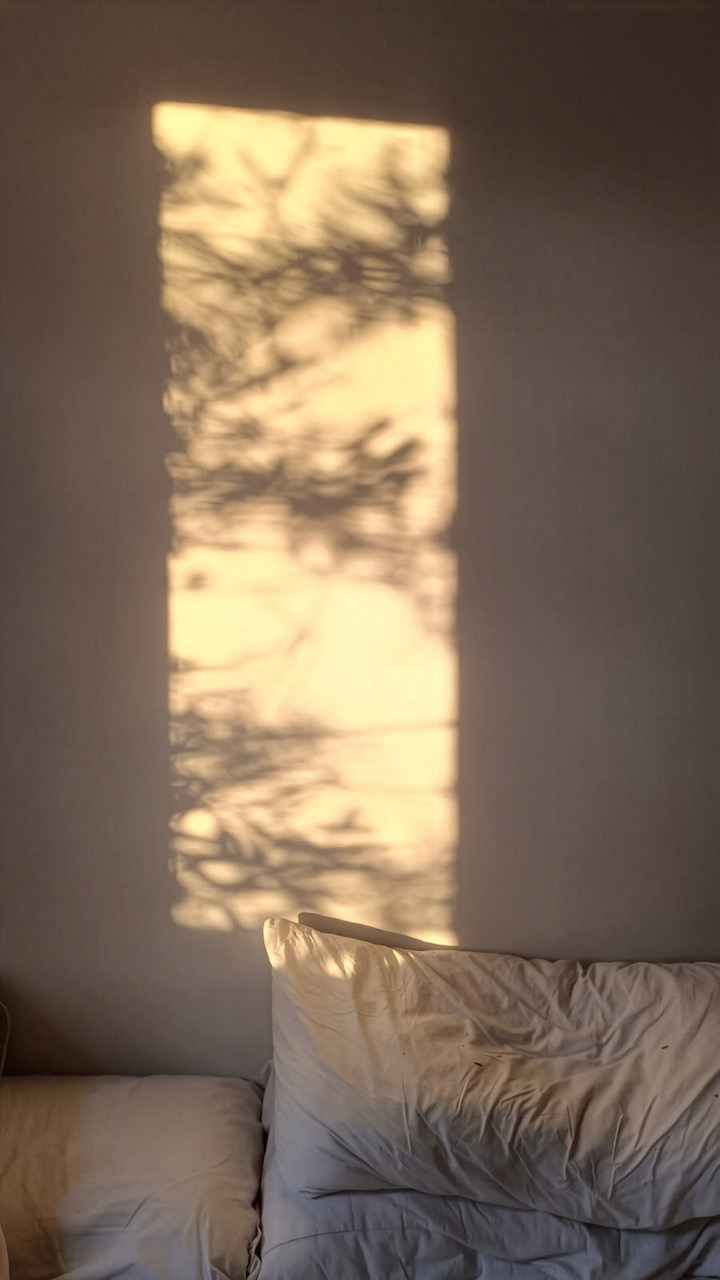
There are moments we don't see, but somehow perceive. The muffled sound of cherries rolling on a table, the warm sensation of a body just getting out of bed, someone moving on the other side of a door, or a shadow crossing a room. These are seemingly everyday situations that, nevertheless, contain something difficult to define: a presence, a memory, an intuition.
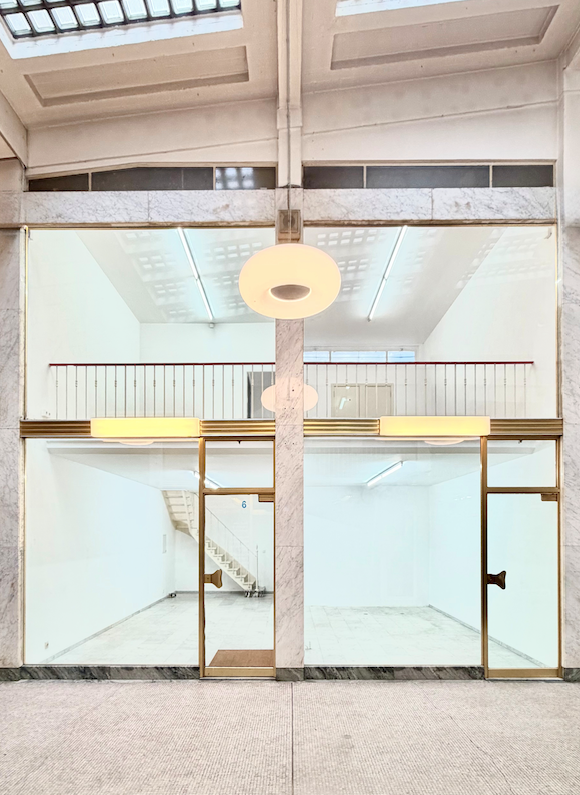
It is precisely in that space between the visible and that which we can barely intuit that Pacts with Shadows and Ghosts is situated, the exhibition that brings together the work of Antonio Imedio and Felipe Barreiro at the Hugo Dufon Gallery in Bogotá. The show, open from July 11 to September 12, 2026, proposes an approach to painting understood not as a faithful reproduction of the world, but as a tool capable of expanding our perception.
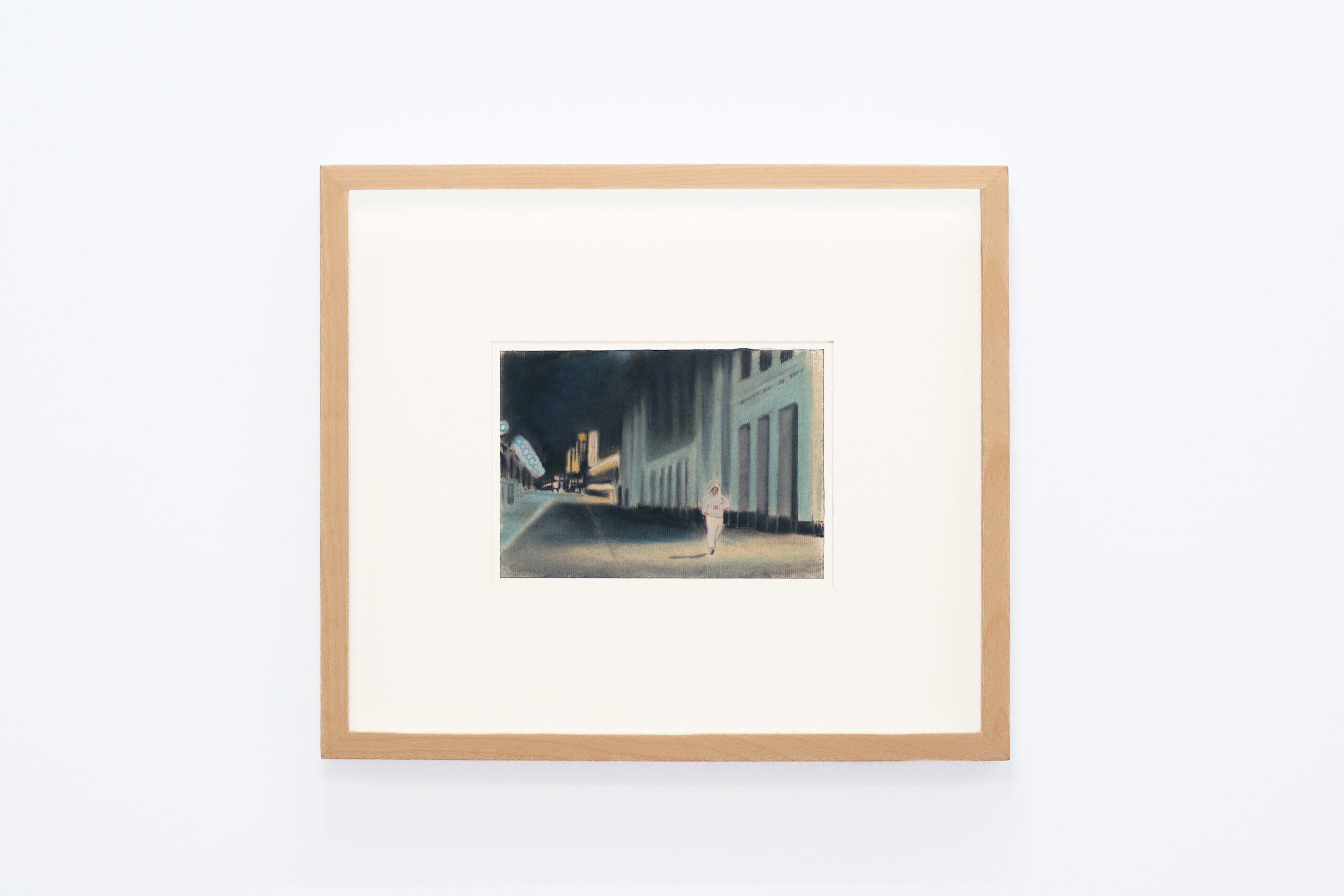
Felipe Barreiro, Race at dawn, 2025.
When faced with a painting, both artists suggest, it is always necessary to look again. To listen with the eyes, to touch with the gaze, to recognize textures that belong as much to matter as to memory. The pictorial image does not end with what it shows: behind a slight tonal difference, a seemingly minimal decision, or a composition that appears to approach chaos, there remains something that resists being fully explained.
Painting thus becomes a territory of uncertainty. A space where what we see coexists with what we remember, imagine, or simply sense. Imedio and Barreiro frequently start from ordinary scenes—a room, storm clouds, a night landscape, or an empty bed—to transform them into thresholds to broader questions related to desire, memory, and the passage of time.
The exhibition also presents painting as an ongoing dialogue with the history of art. Each painting contains traces of other paintings, and each gesture seems to respond to previous ones. Painting involves tentative steps, experimentation, persistence, and, above all, knowing when to stop. Therefore, the history of painting does not necessarily progress in a straight line, but rather returns time and again to certain concerns, transforming them from new perspectives.
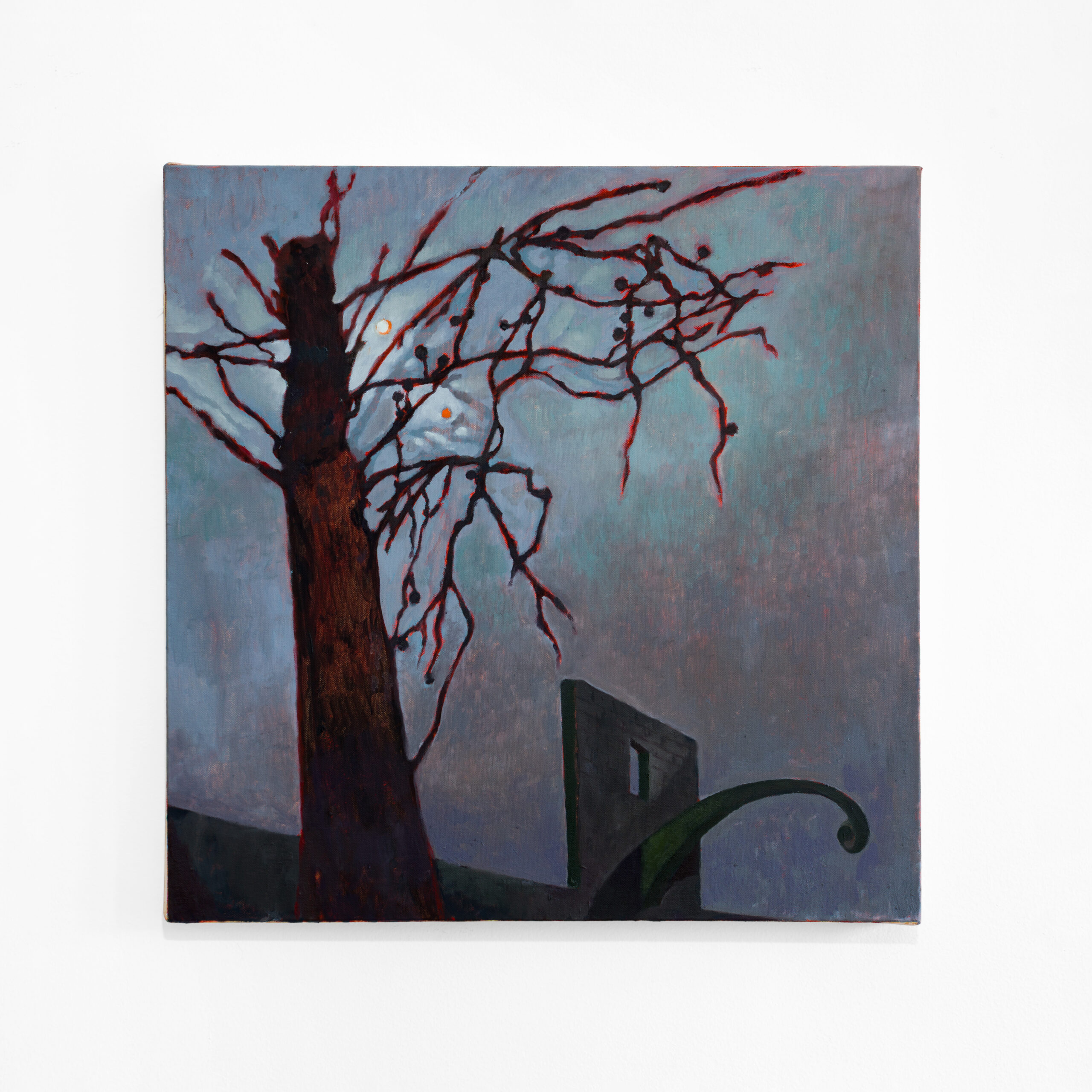
Antonio Imedio, A big-nosed man raises his phallus, 2026.
The work of Imedio and Barreiro participates in this broader conversation and transcends any interpretation limited to a specific generation or geographical context. Their paintings reclaim recognizable motifs and transport them to an ambiguous realm, where the everyday takes on an almost spectral dimension and where what seems familiar can become a strange experience.
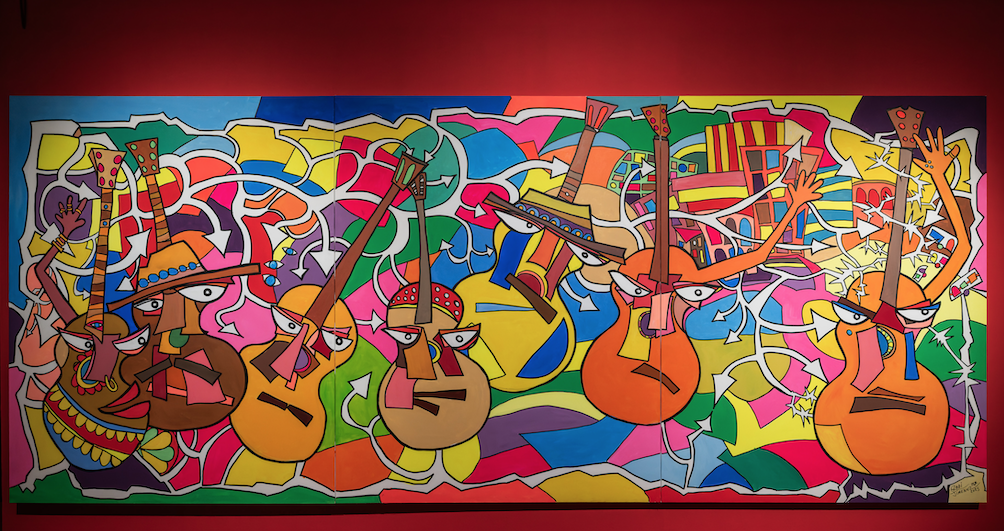
But this exploration of intimacy is not limited to silence, solitude, or contemplation. It also appears in celebration, festivity, and unbridled revelry. Music and dance emerge as ways of constructing subjectivity, moments in which the individual recognizes and transforms themselves through the presence of others.
Antonio Imedio's painting of the trumpeter perfectly captures one of those moments. The collective joy transforms into an experience of personal discovery, a moment in which music, the body, and companionship generate a unique form of freedom.

You may be
interested
...