News
Cusco keeps its heritage under surveillance after the Ayacucho earthquake
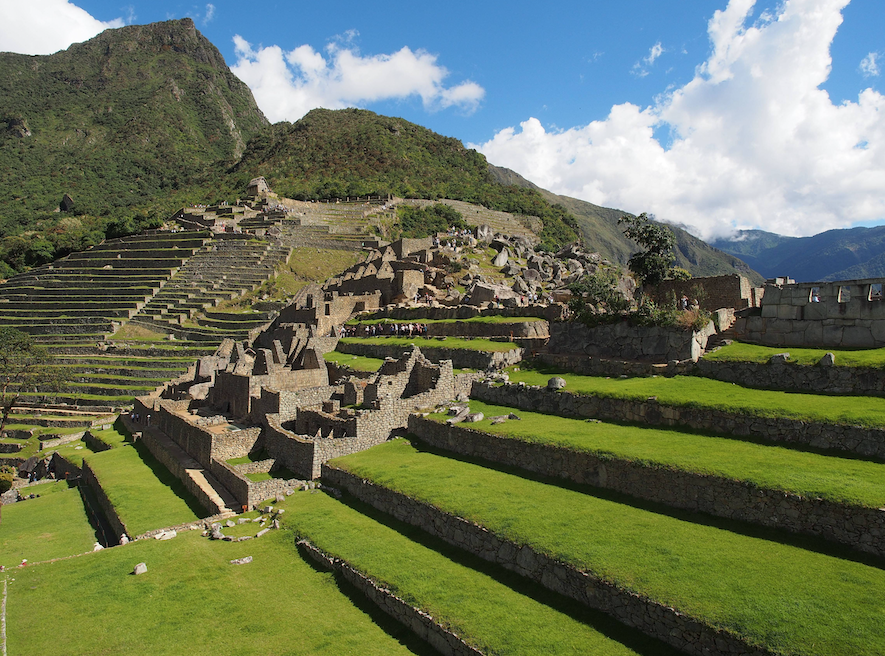
The Decentralized Directorate of Culture (DDC) of Cusco has launched a surveillance operation on the cultural heritage of the region after the 7.2 magnitude earthquake registered this Thursday in southern Peru, with its epicenter near Coracora, in the province of Parinacochas, Ayacucho region.
Although the earthquake was felt in various parts of the Andean region, no injuries or damage to Cusco's cultural heritage have been reported so far. The institution is, however, maintaining preventative monitoring in case of aftershocks.
From the first minutes after the earthquake, the Cusco Regional Directorate of Culture (DDC Cusco) activated its security protocols and began assessments in the areas under its jurisdiction. The operation includes the inspection of museums, parks, archaeological sites and zones, as well as various institutional buildings, with the aim of detecting any potential structural or heritage damage as early as possible.
Liliana Valverde, head of the National Defense and Disaster Risk Management Unit of the DDC Cusco, explained that the priority is to maintain constant surveillance over cultural assets and guarantee a rapid response to any eventuality.
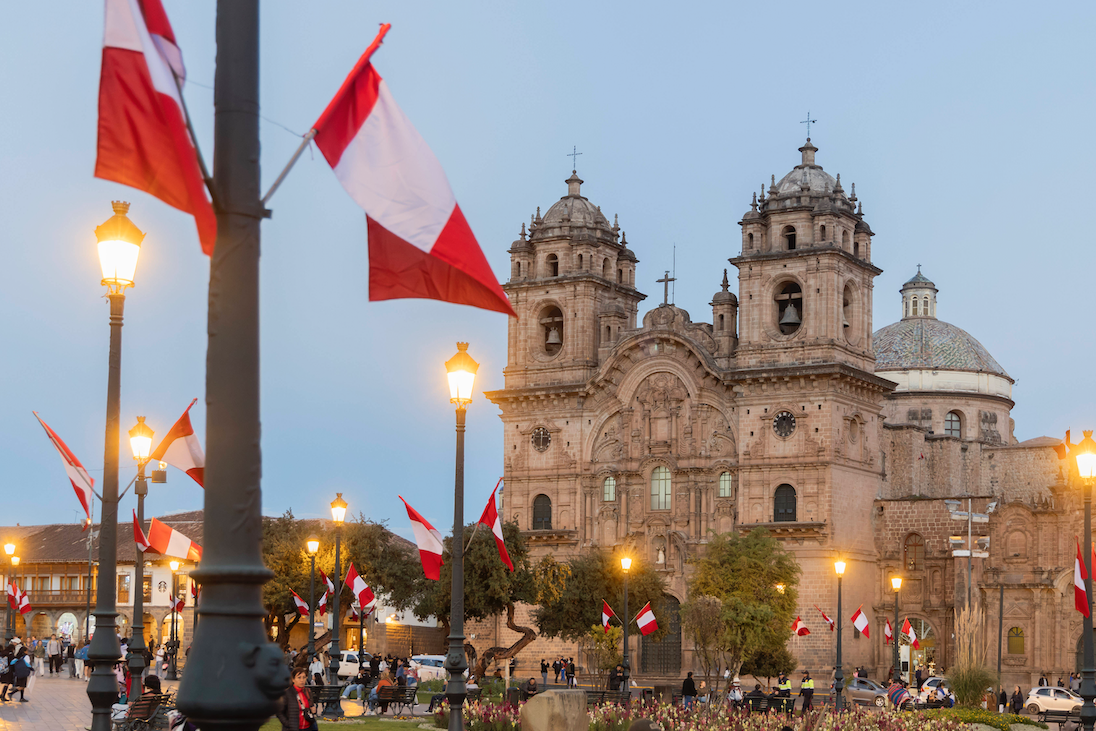
View of Cusco, with the flags of Peru waving in front of the cathedral in the Plaza de Armas, in the historic center of the city.
The official noted that, for now, there are no reports of damage to cultural heritage or personal injuries, although teams remain vigilant in case of aftershocks that could alter the situation.
The executive director of the DDC Cusco, Maritza Rosa Candia, has also ordered that the technical teams be kept on permanent alert and that the monitoring of the region's cultural and archaeological sites be reinforced.
Meanwhile, tourism at Cusco's main archaeological sites continues as normal. Cultural authorities are monitoring these sites as a preventative measure, and so far no incidents have been reported that would require changes to visitor plans.
The earthquake struck at 1:00 p.m. local time on Thursday, the 21st, according to data from the Geophysical Institute of Peru (IGP). The agency located the epicenter approximately 35 kilometers from Coracora, in Ayacucho, and established a depth of 108 kilometers. Two aftershocks of lesser intensity followed the main quake.
The National Institute of Civil Defense (INDECI) initially reported three people injured, in addition to damage to 11 educational centers and at least 12 health establishments, both in Ayacucho and in other areas near the epicenter.
Initial international reports placed the magnitude of the earthquake slightly below the Peruvian estimate. The United States Geological Survey (USGS) preliminarily calculated a magnitude of 6.7.
While assessments continue in the affected areas, Cusco has activated its heritage protection system. This vigilance is especially important in a region that contains some of Peru's most significant archaeological sites and cultural assets, although so far the earthquake has not resulted in any reported damage to this heritage.



You may be
interested
...