
News
The earthquake leaves 124 cultural assets damaged in Colombia
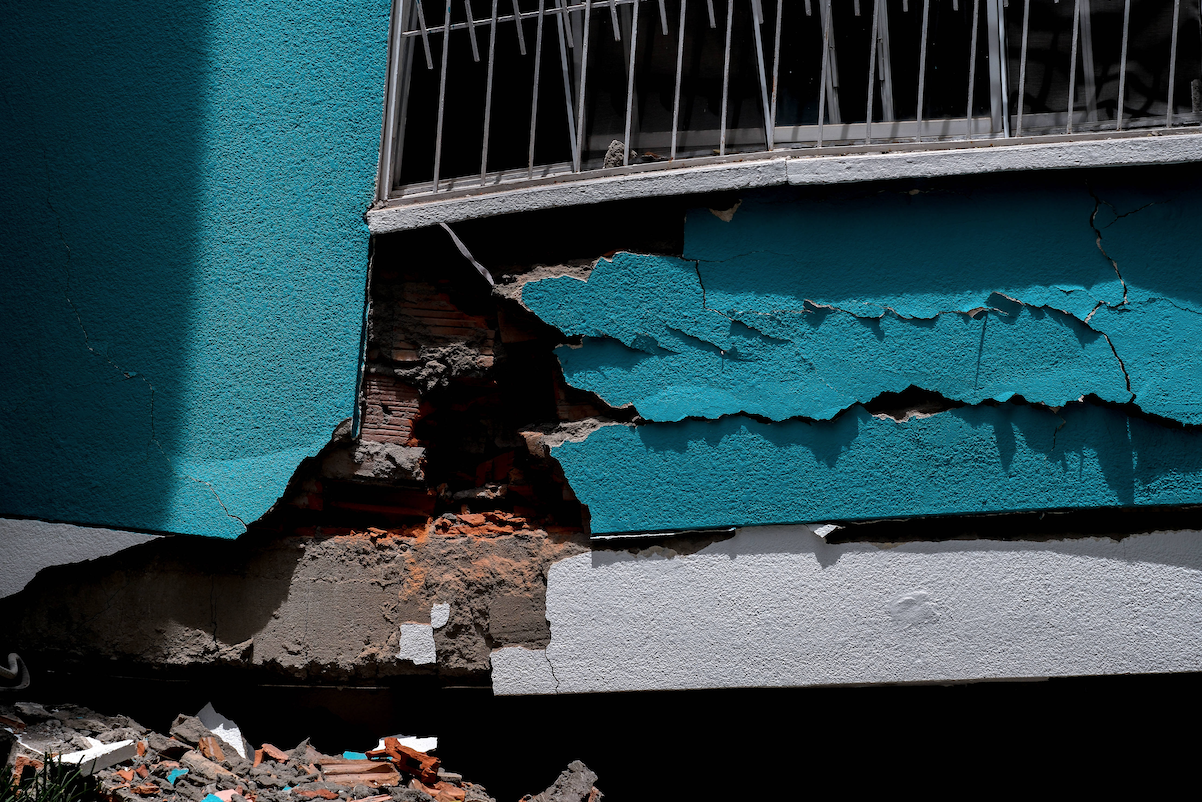
The earthquake that struck on August 10th has had a significant impact on Colombia's cultural heritage. The initial assessment by the Ministry of Cultures identifies 124 cultural sites and properties affected across seven departments of the country. This evaluation includes both officially recognized buildings and spaces that, despite possessing heritage value, have not yet received official designation.
Of the identified properties, 40 are national cultural heritage sites. The extent of the damage varies: 22 have suffered significant damage, representing 55% of the total; 13 have suffered moderate damage, equivalent to 32.5%; and five have suffered minor damage.
The properties included in this initial inventory are located in Antioquia, Cauca, Chocó, Caldas, Risaralda, Quindío, and Valle del Cauca, territories that have experienced a significant portion of the earthquake's effects. Religious buildings are particularly prominent among the affected areas, with 39 such properties included in the assessment.
Urban heritage has also suffered significant consequences. Of the 15 historic centers located within the earthquake-affected area, 12 have sustained some type of damage. These include those of Abejorral, Jardín, Jericó, and Santa Fe de Antioquia in Antioquia; the Old Town of Popayán in Cauca; several historic districts in Manizales, Aguadas, and Salamina in Caldas; and the old towns of Buga, Cali, Cartago, and El Cerrito in Valle del Cauca.
One of the most important heritage areas affected by the emergency is the Coffee Cultural Landscape of Colombia, a UNESCO World Heritage Site spanning 51 municipalities. According to the Ministry of Culture, the earthquake has caused severe damage to more than 60% of the urban centers in this region, in addition to collapsed houses, disruptions to transportation routes, and cuts to basic services in rural areas.
The most severe effects are concentrated in the municipalities closest to the epicenter. Seville, Cairo, and El Águila have suffered levels of destruction that, in some areas, reach up to 80%, according to the initial assessment by cultural authorities.
The emergency is not limited to architectural and urban heritage. The earthquake has also affected eight manifestations of Intangible Cultural Heritage, highlighting that the consequences of a catastrophe of this nature extend to physical spaces as well as to the practices, knowledge, and traditions passed down through generations.
Among the identified cultural expressions are the bearers of Viche (a traditional Cali spirit), the Cali tradition of sugar candy pots, gualíes (traditional dances), alabaos (religious songs), and tomb raisings, the knowledge associated with Afro-Colombian midwifery in the Pacific region, and the complex musical and dance traditions of Cali salsa. The list also includes traditional cuisines, knowledge related to artisanal fishing on the Magdalena River, and the Riosucio Carnival in Caldas.
The Ministry of Culture's first inventory thus offers a heritage dimension to an emergency that has affected numerous Colombian territories. While awaiting more detailed assessments, the report highlights the magnitude of the damage and the need to intervene not only on buildings and historical sites, but also on the communities and cultural expressions whose continuity may be jeopardized in the wake of the disaster.



You may be
interested
...