News
The Pereira Art Museum faces reconstruction after the earthquake in Colombia
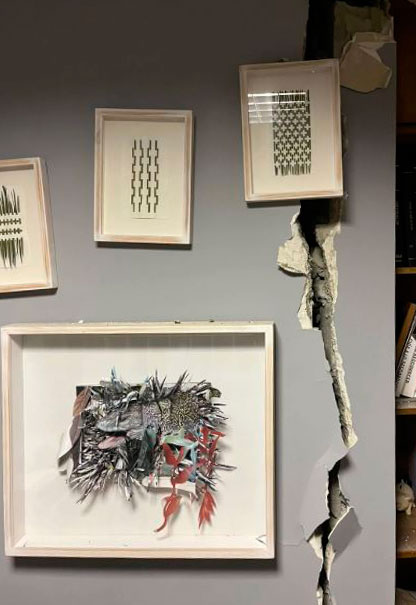
The Pereira Art Museum has begun the assessment and planning process necessary to rebuild its building, which was severely damaged by the 7.4 magnitude earthquake that struck Colombia on August 10. The western wing of the building suffered the most damage, and the museum will remain closed until the necessary work to ensure its recovery and safety can be completed.
The museum's situation is part of a much broader impact on the cultural infrastructure of Pereira and other parts of the country. Rosa Ángel, an artist from Pereira, former curator of the museum for a decade and Pereira's Secretary of Culture between 2017 and 2019, estimates that between 70 and 80 percent of the city's cultural infrastructure may have been affected by the earthquake.
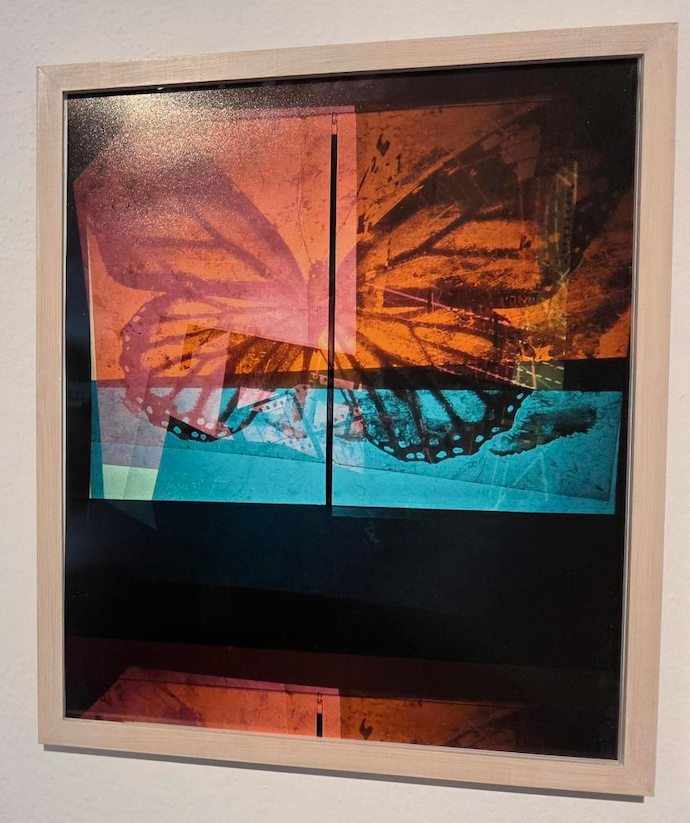
One of the main challenges is also ensuring the preservation of the Pereira Art Museum's collection, which comprises approximately 530 works. The inventory is particularly complex because some pieces are part of sets composed of different elements. Among the institution's holdings are works by Beatriz González and Óscar Muñoz, as well as what is considered one of the most important collections of early works by María de la Paz Jaramillo.
Currently, the museum is focusing its efforts on determining the full extent of the damage and establishing the conditions for a future reopening. This process includes negotiations with insurance companies and specialized architects, as well as the development of a reconstruction plan to restore the building. The significant financial scale of the project necessitates the mobilization of both public and private resources.
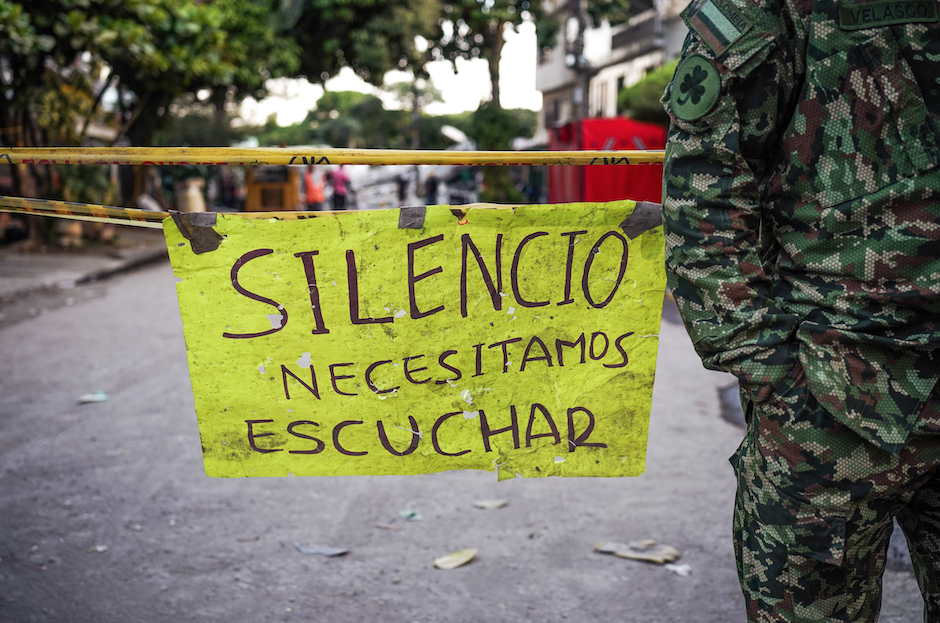
Pereira area.
The emergency has also led other Colombian cultural institutions to activate solidarity initiatives. The Museum of Modern Art of Medellín (MAMM) held its traditional MAMM Fest between August 14 and 16, an annual fundraising event whose proceeds included support for the La Tertulia Museum in Cali. Although the latter suffered no physical damage, the institution's activities were affected by the interruption of income resulting from the emergency.
The director of the MAMM, Rafael Tamayo, emphasized the importance of maintaining an active network of cultural institutions during the recovery process. Collaboration among museums aims to help them continue their programs and work with communities while addressing the economic and social consequences of the disaster.
A first assessment of cultural heritage
The earthquake has also caused significant damage to Colombia's cultural heritage. The Ministry of Culture has compiled an initial inventory of National Cultural Heritage Sites affected by the earthquake, identifying 40 properties in Chocó, Caldas, Risaralda, Quindío, and Valle del Cauca, in addition to damage reported in Antioquia and Cauca.
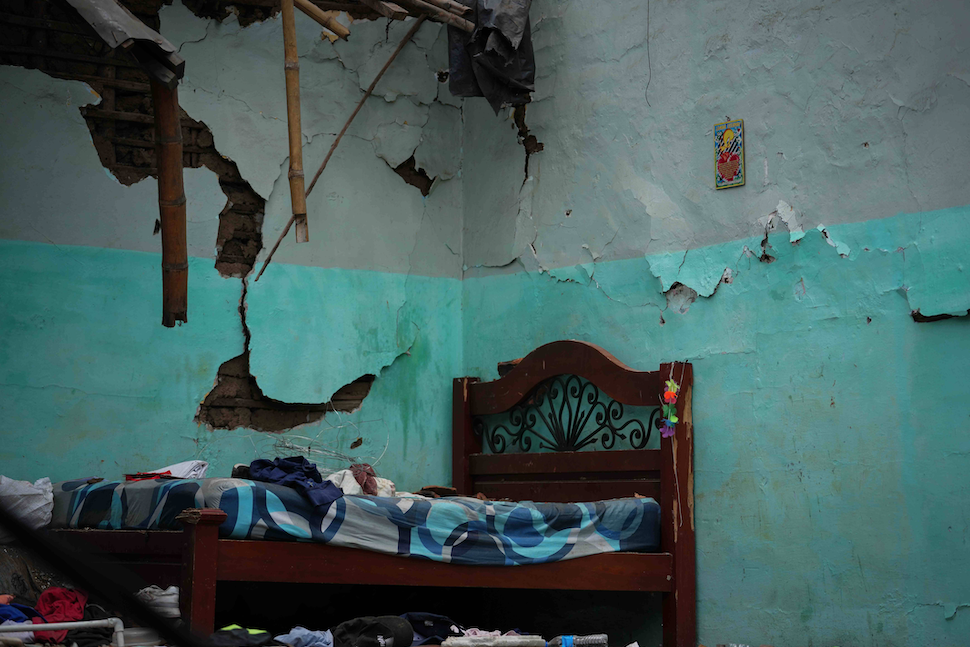
Pereira area.
Of the total number of properties counted, 22 show high levels of damage, 13 medium levels, and five low levels. This assessment, still provisional, will allow for the establishment of priorities for future conservation and reconstruction efforts.
Among the areas most affected is Colombia's Coffee Cultural Landscape, recognized as a UNESCO World Heritage Site and a National Cultural Heritage site. The earthquake caused severe damage in various urban centers, as well as affecting homes, roads, and basic services in rural areas. The municipalities closest to the epicenter suffered particularly significant damage.
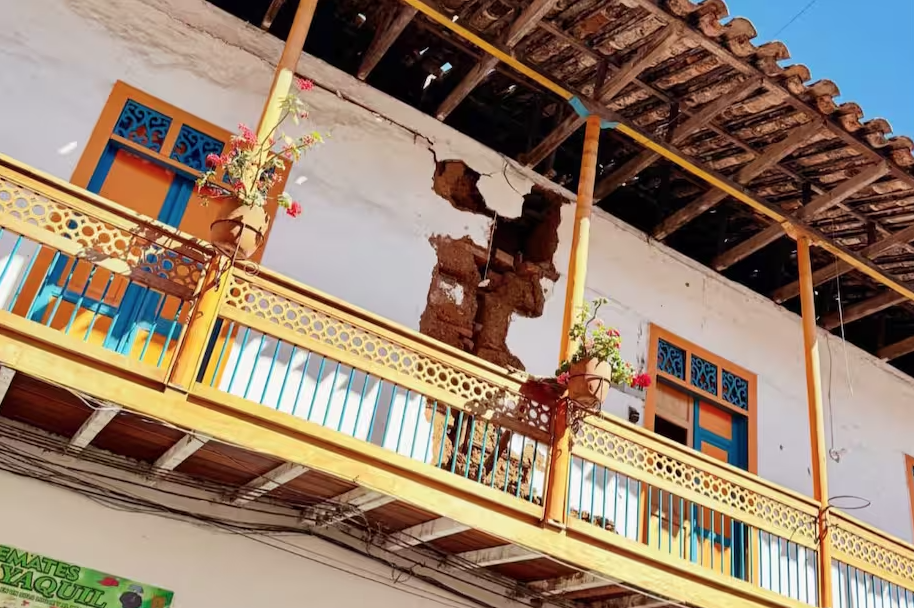
Historic center of Jardín, Antioquia.
The earthquake also affected 12 historic centers, including various sectors of Manizales and the old towns of Buga, Cali, Cartago, and El Cerrito in the Valle del Cauca region. The buildings with Republican-era architecture in some of these areas are part of a heritage particularly vulnerable to the magnitude of the damage.
The Minister of Culture, Paola Holguín, has indicated that the government is working on defining a methodology to address the repair and reconstruction of the affected areas. This process is presented as a second phase of the emergency response, in which the recovery of cultural heritage must proceed alongside the reconstruction of the affected cities and communities.

You may be
interested
...