News
Four works by Antonello da Messina stolen from a museum in Sicily
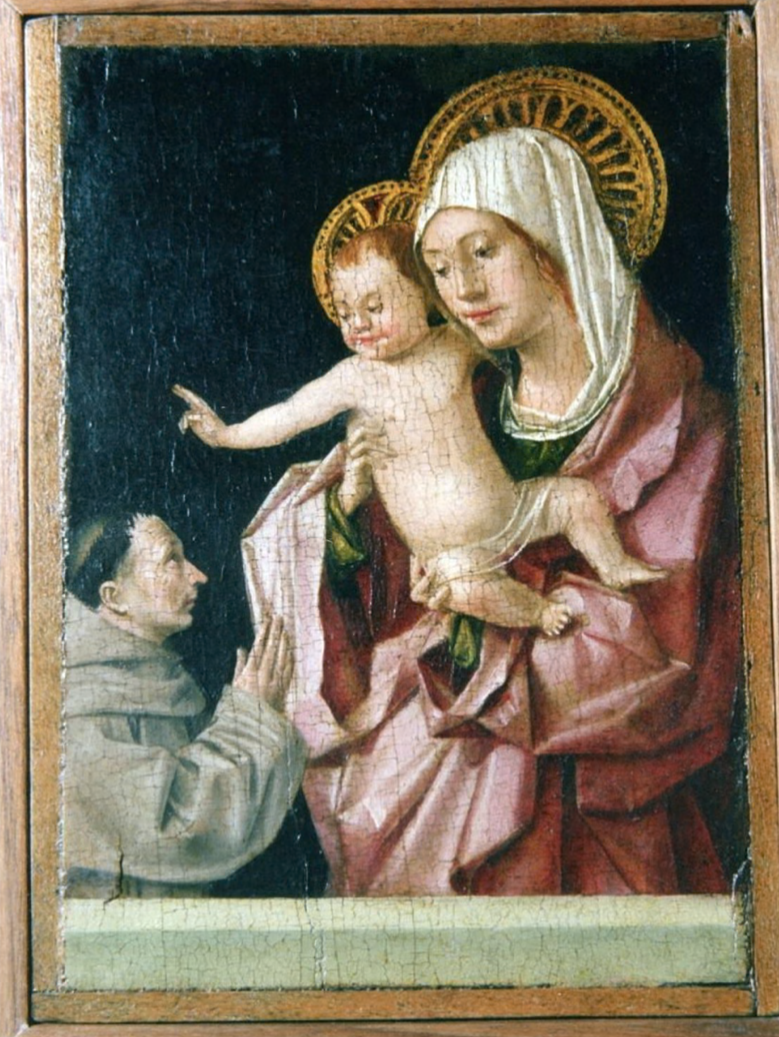
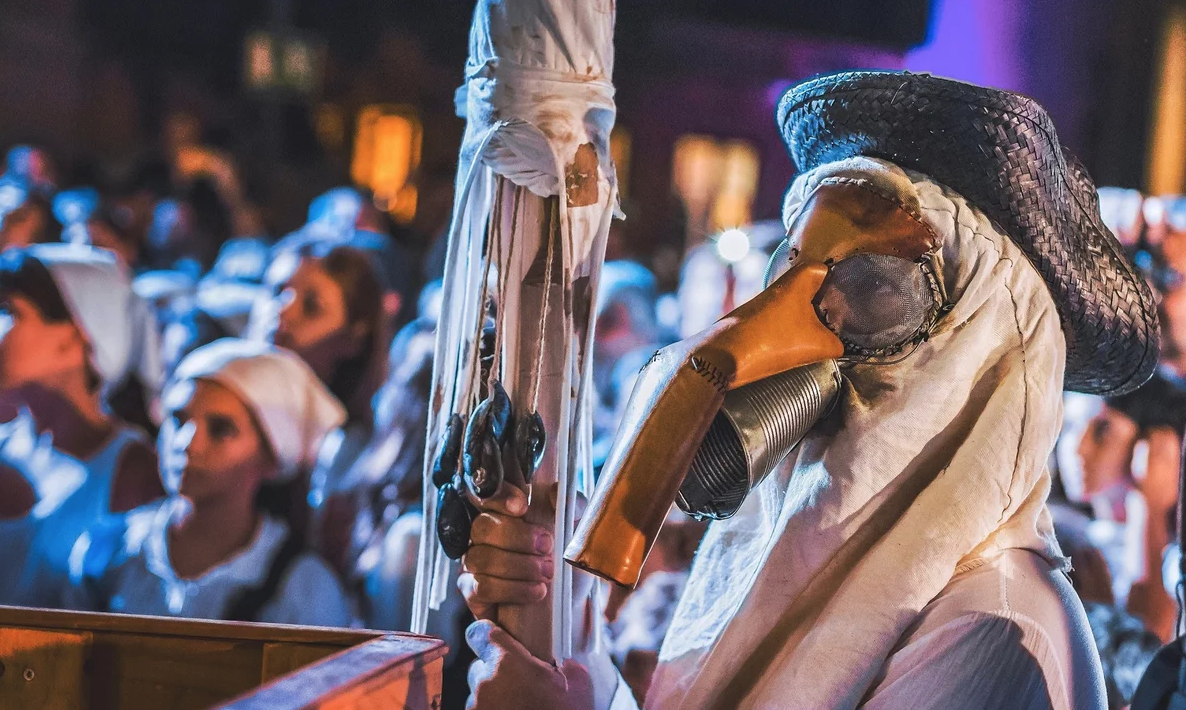
Four works by one of the great masters of the Italian Renaissance, Antonello da Messina, were stolen from the Regional Museum of Messina (MuMe) during the night of Saturday, August 15, coinciding with the celebration of Ferragosto and the events of La Vara, one of the most important religious festivities in the Sicilian city.
The thieves gained access to the museum and bypassed its alarm systems before forcing open a security display case and making off with four panels attributed to the 15th-century painter. The theft is a major blow to Messina's artistic heritage, as three of the stolen pieces were part of the Polittico di San Gregorio , one of Antonello's most important works and a collection closely linked to the city's history.
“This is an extremely serious and significant loss,” said Marisa Mercurio, the museum's director. “Works of enormous cultural, artistic, and symbolic importance have been stolen, not only for Messina, but for all of Sicily.” The MuMe director also expressed her hope that the pieces could be recovered as soon as possible.
A work linked to the history of Messina
The Polittico di San Gregorio was made for the monastery of San Gregorio, a building destroyed during the devastating earthquake that struck Messina in 1908. The set originally consisted of six panels and is one of the most important surviving works of Antonello da Messina.
Three of the five surviving panels that remained in the museum were stolen during the raid. Their disappearance has a particularly symbolic dimension: the polyptych was the only work by Antonello that, until now, had never left his hometown.
The career of Antonello da Messina is fundamental to understanding the evolution of 15th-century Italian painting. His work helped transform Renaissance painting through a combination of Italian and Flemish traditions, especially visible in his treatment of light, detail, and the construction of his portraits and religious compositions.
A second work also disappeared
The fourth stolen piece is a small, double-sided painting depicting the Virgin and Child with a Franciscan friar on one side and Christ on the other. The work belonged to the Wilhelm Soldan collection and was acquired by the Sicilian regional government at a Christie's auction in 2003, the same year it was attributed to Antonello da Messina.
The theft could have had even greater consequences. In total, the thieves managed to remove six paintings from the museum, although two of the panels were later abandoned on a low wall outside the building. The circumstances under which these two pieces were left behind are still unclear.
The investigation is now focused on determining how it was possible to access the museum and bypass its security systems during one of the busiest and most crowded periods in Messina. The fact that the theft occurred while the city was focused on La Vara and the Ferragosto celebrations adds a significant element to the investigation.

You may be
interested
...