Exhibitions
Miguel Hernández, 115 years later, continues to challenge the present
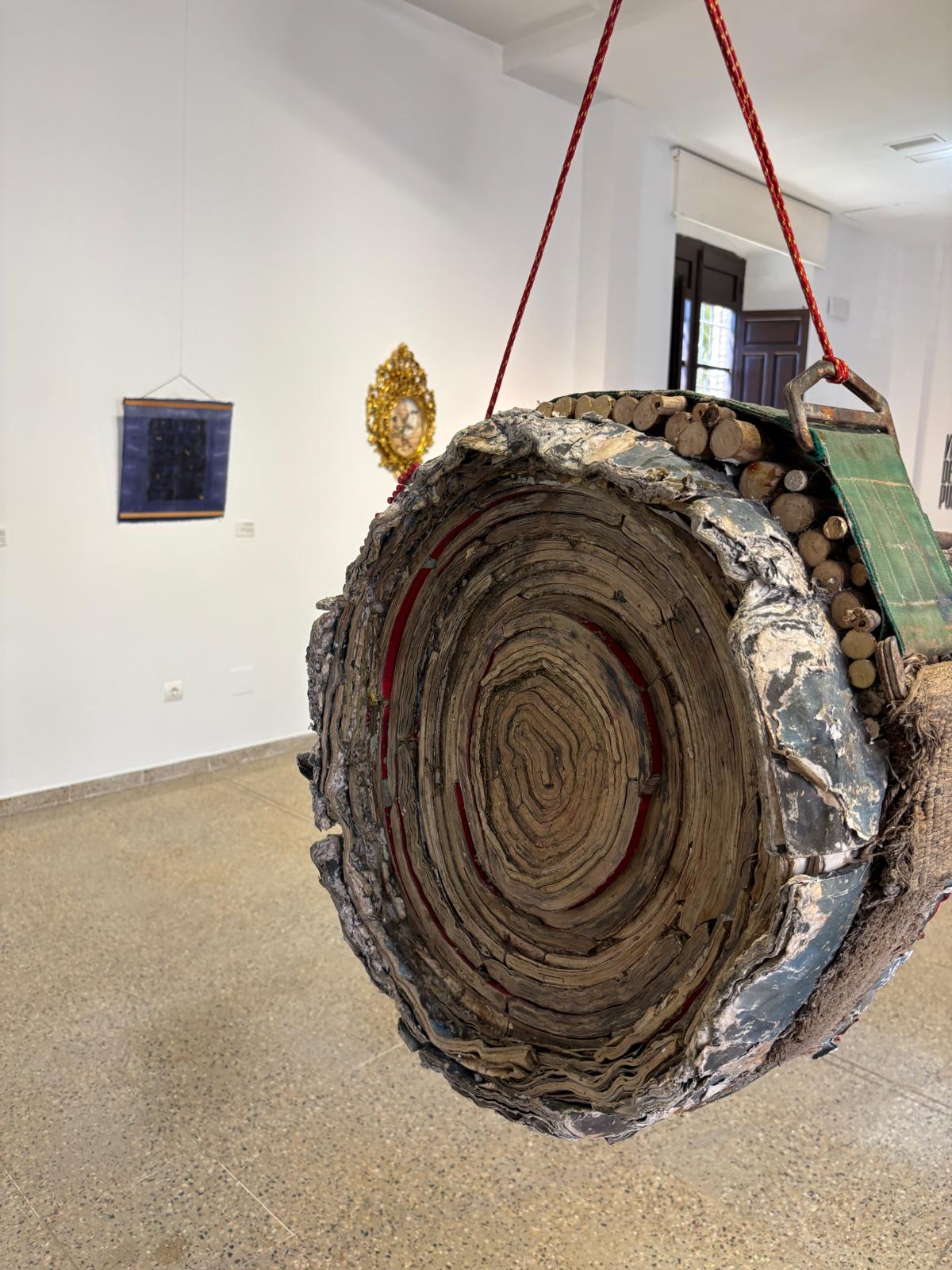
To mark the 115th anniversary of Miguel Hernández's birth, the Miguel Hernández Literary Legacy Foundation presents "Viento del pueblo 115/5" (Wind of the People 115/5) , an exhibition now in its fifth edition that once again positions the work of the Orihuela-born poet as open territory for contemporary creation. Until August 30, the Arab Baths Cultural Center in Jaén hosts this exhibition, which not only aims to pay tribute to Hernández but also to explore the extent to which his words continue to generate images, questions, and discourses in the present.
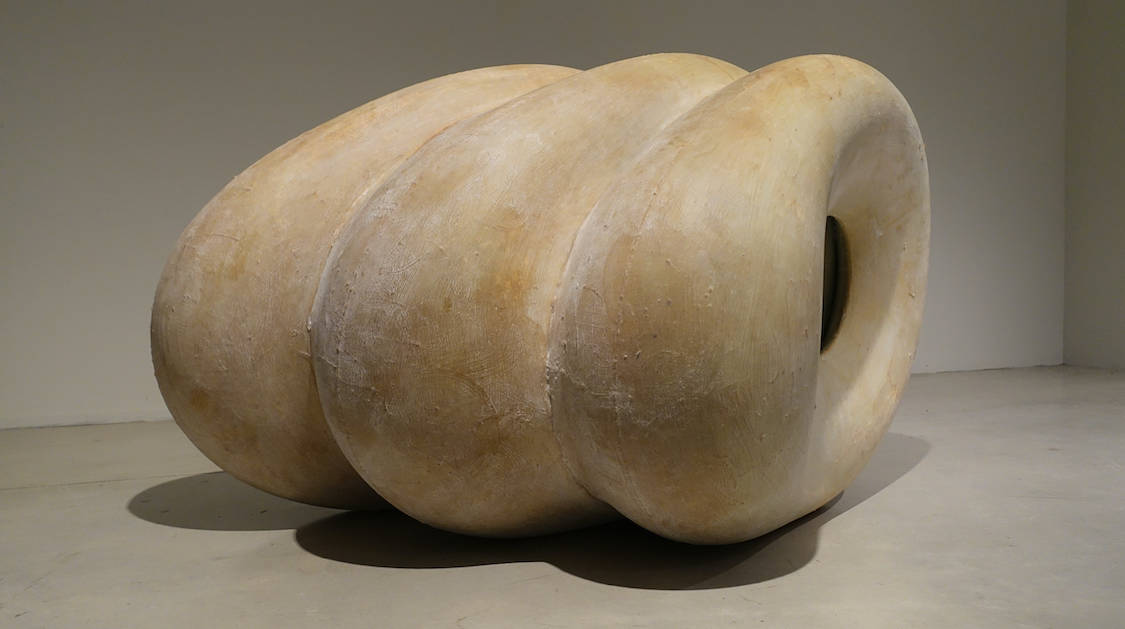
The project stems from a particularly fertile idea: to read Miguel Hernández through art, rather than simply illustrating his poetry. Ten contemporary artists thus engage with Hernández's universe from different perspectives, techniques, and sensibilities, constructing an exhibition in which the dialogue between literature and visual arts becomes the true conceptual axis.
The fifth installment of "Viento del pueblo" continues a journey begun in previous editions, dedicated to Perito en lunas , the poem Aceituneros , Elegía a Ramón Sijé , and the poetry collection El rayo que no cesa . The project's continuity allows us to observe how a single legacy can be reinterpreted from very different artistic perspectives, demonstrating that an author's enduring relevance depends not only on the preservation of their work but also on its capacity to provoke new readings.
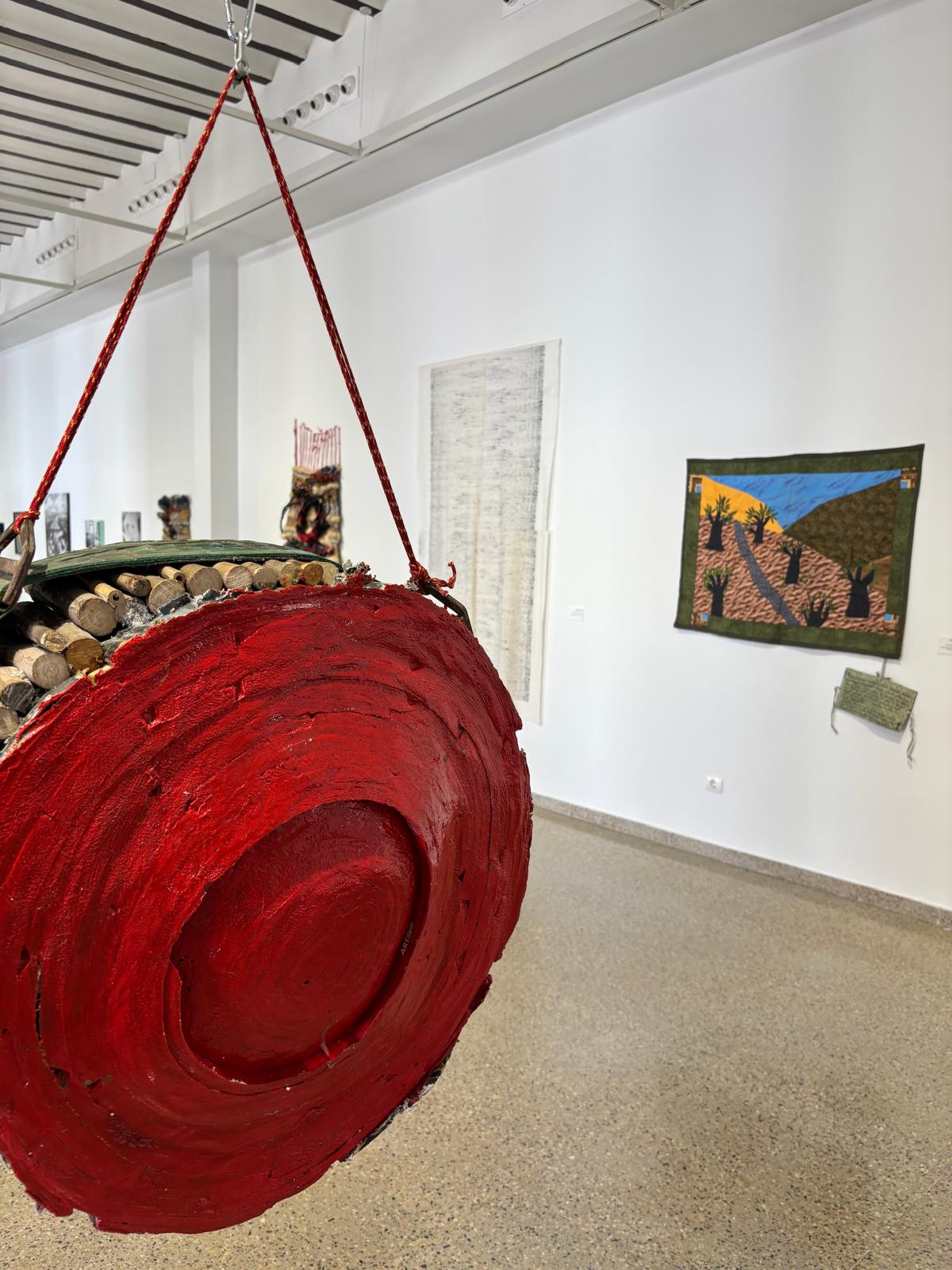
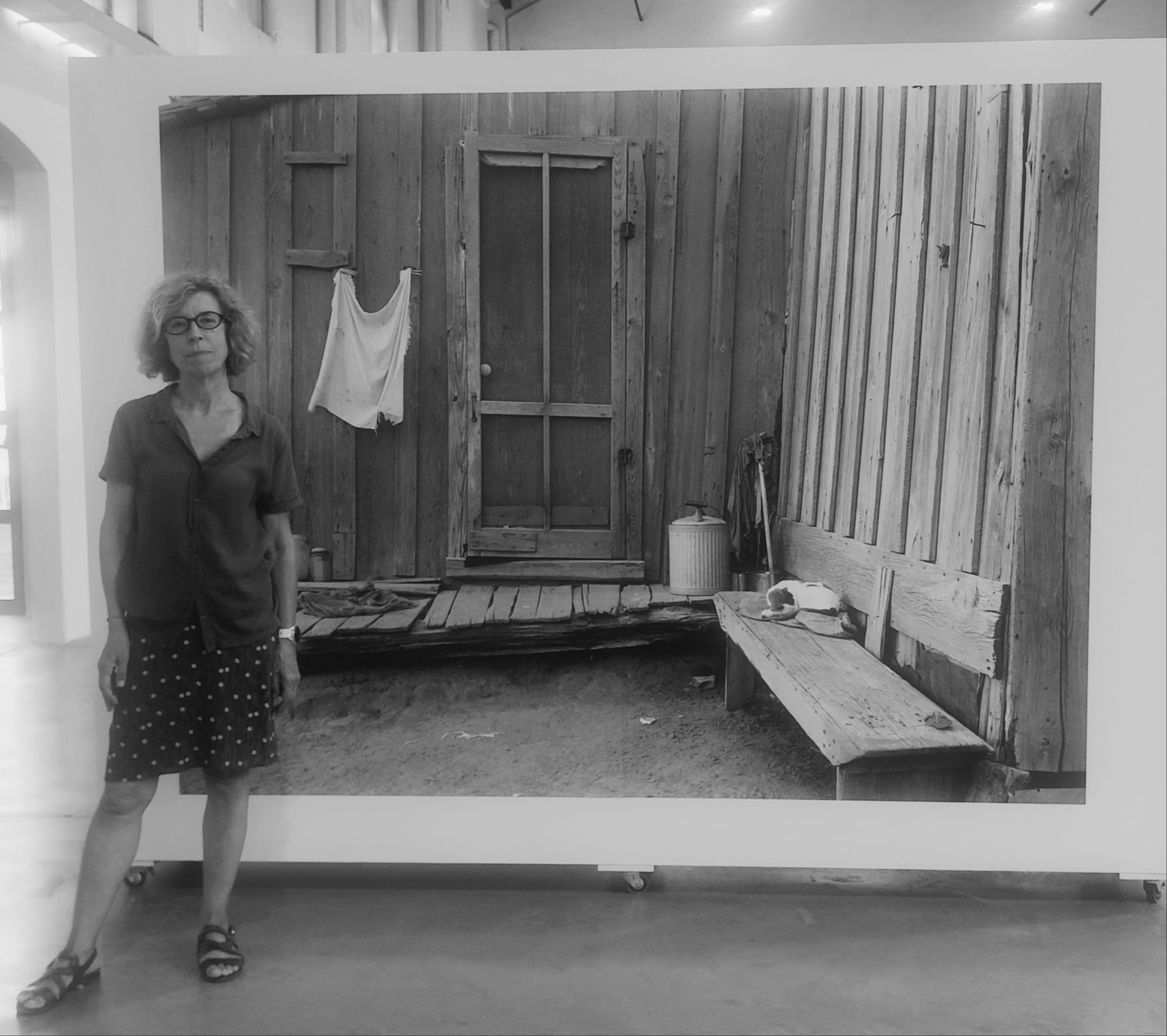
This exhibition brings together ten works by ten artists: Agnes Essonti Luque, Ángeles Castellano, Bësákkò biá Rihólè, Carmen Sicre, Concha Romeu, Isidro López-Aparicio, Mar Garrido, Mireya Martín Larumbe, Sara Quintero, and Valle Galera. The diversity of their trajectories and artistic languages prevents a homogeneous approach to Hernández and transforms the exhibition into a space of tensions and contrasts.
The works propose different ways of approaching what lies beneath poetry: memory, identity, loss, landscape, the body, injustice, and the political dimension of existence. In this shift, Hernández's words cease to function as an untouchable object of the past and become material susceptible to being questioned, reinterpreted, and even confronted from a contemporary perspective.
That is precisely one of the main strengths of the exhibition. It doesn't need to turn Miguel Hernández into a monumental figure to reaffirm his enduring relevance. On the contrary, its power lies in allowing artists to move away from conventional homage and establish a freer relationship with his work. The result is a dialogue between eras in which poetry serves as a starting point, not a limit.
It is also significant that "Viento del pueblo 115/5" is presented in a space like the Arab Baths of Jaén, where the historical architecture adds another layer of memory to the interpretation of the works. The literary and architectural past thus coexist with contemporary artistic proposals, creating a context in which different historical periods overlap.
Ultimately, the exhibition poses a question that transcends the anniversary: what can Miguel Hernández tell us today? The answer doesn't emerge from a single interpretation, but rather from the diverse perspectives of the ten participating artists. In their work, the poet once again becomes an active presence, capable of transcending generations and disciplines.
You may be
interested
...