News
Santa Maria de Gerri de la Sal begins the path towards its comprehensive recovery
A 3.5 million euro action plan will guarantee the conservation, restoration and reopening of one of the great testimonies of Pyrenean Romanesque.
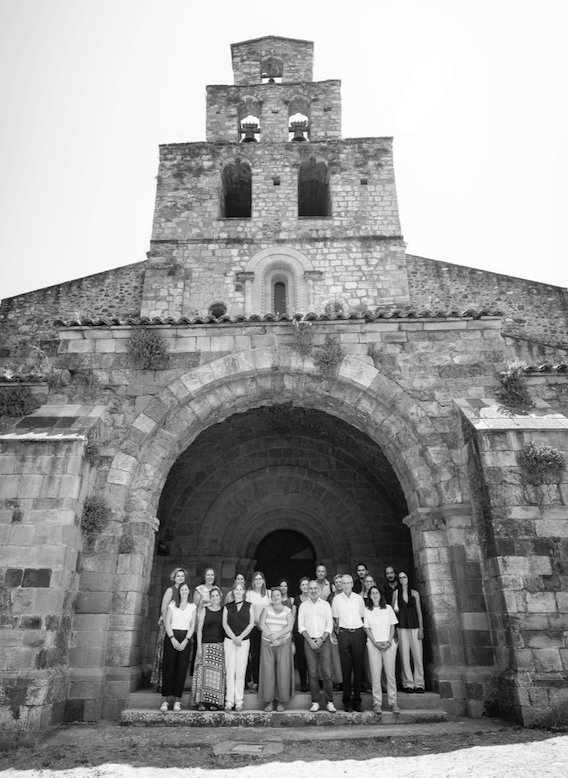
The Department of Culture has presented the Action Plan for the Monastery of Santa Maria de Gerri de la Sal, a roadmap that will mark the interventions necessary to ensure the conservation, restoration and enhancement of this monumental complex over the coming years. The project foresees an estimated investment of 3.5 million euros and will be developed in five phases with an approximate execution time of five years.
The presentation of the plan, held at the Gerri de la Sal Museum, located in the old Alfolí de la Sal, has highlighted the desire to recover one of the most significant monuments of Catalan medieval heritage. The event was attended by representatives of the Department of Culture, the Generalitat, the Baix Pallars City Council, the Bishopric and a wide representation of the residents of Gerri de la Sal and the region.
Founded in 809, the monastery of Santa Maria de Gerri de la Sal is one of the first medieval monasteries in Catalonia. The Benedictine community maintained its activity there until its exclusion in 1835, leaving an architectural and heritage legacy of great value. The complex was declared a historical and artistic monument in 1935 and since 1995 it has been listed as a cultural asset of national interest (BCIN).
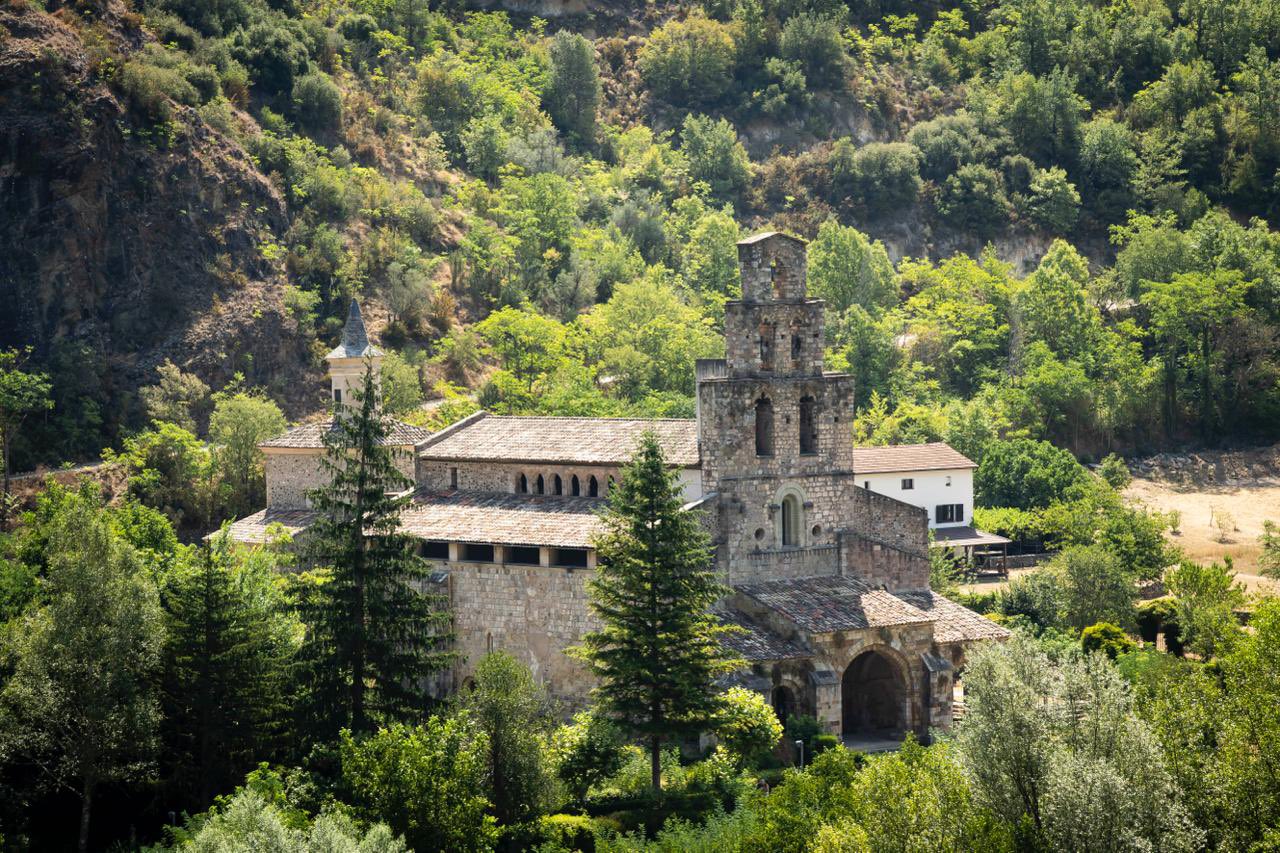
Currently, the temple is closed to the public due to the risk of fragments of the vaults falling off, a situation that has necessitated a global intervention to guarantee its safety and gradually restore access for visitors.
The first phase of the plan, scheduled for this summer, will focus on the most urgent safety and watertightness measures for the building. These interventions will allow the temple to reopen with guarantees while the comprehensive restoration project progresses.
The action program is structured in five major phases. The second stage will be dedicated to preliminary studies and a complete diagnosis of the state of conservation of the complex, as well as the definition of the necessary interventions in the atrium, the steeple bell tower and the immediate surroundings of the monument.
The third phase will address the consolidation of the interior of the church, especially the vaults, and the control of humidity, one of the main factors in the degradation of the building due to the effects of salts and accumulated humidity.
The subsequent phases include the restoration of the monument's envelope, the recovery of the paintings in the cloister, archaeological interventions and the improvement of the surroundings of the complex. Finally, the project includes the restoration of the pictorial elements of the apses, the renovation of the lighting and the creation of a museographic route that allows visitors to better interpret the history and heritage values of the monastery.

You may be
interested
...