
News
The future of museums arrives at the MNAC
The 'MNAC in Transformation' program will bring together museum directors and architects of world prestige to reflect on new institutional models coinciding with the expansion of the National Museum of Art of Catalonia.
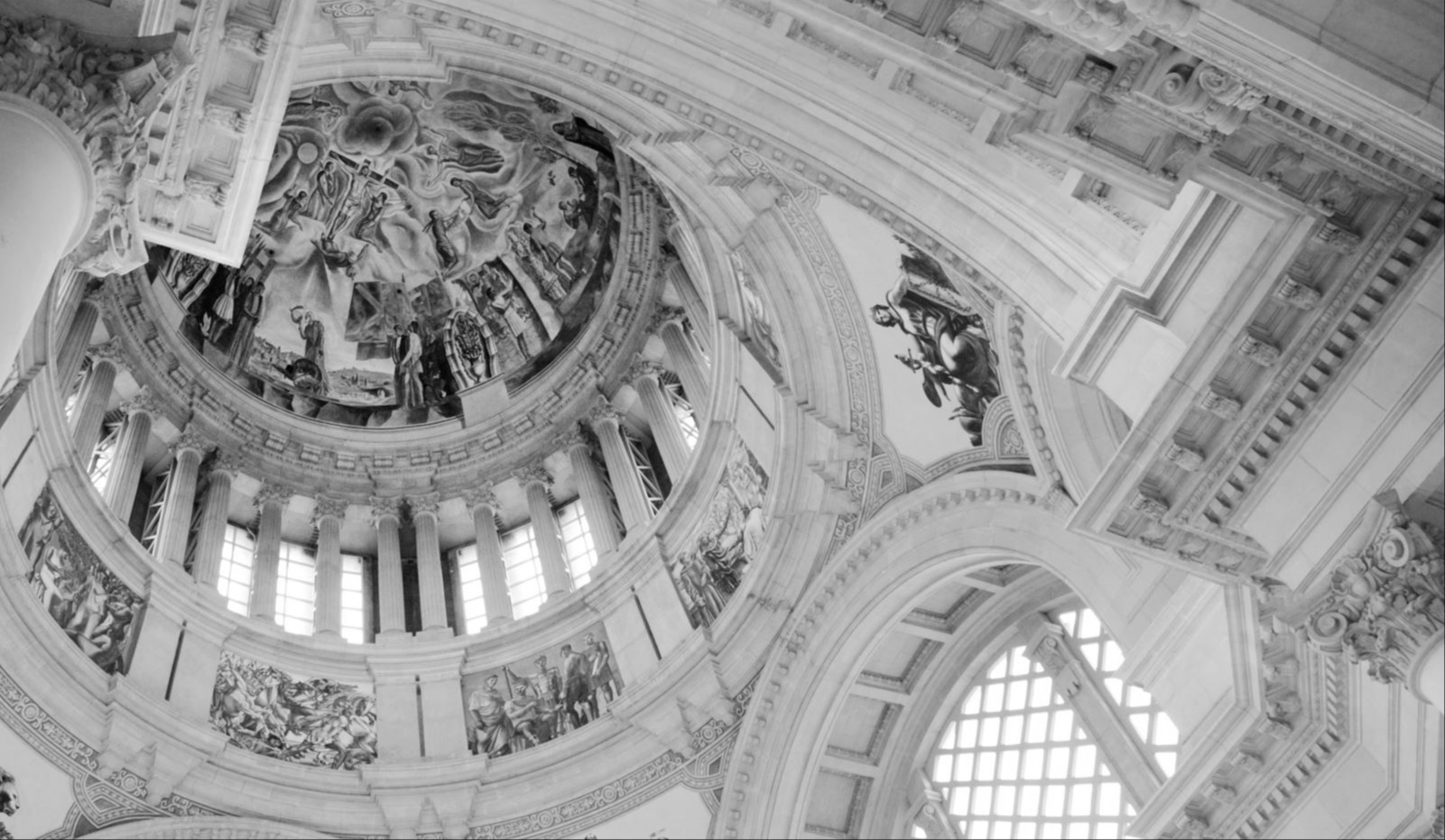
The National Art Museum of Catalonia (MNAC) will turn Barcelona into an international meeting point for museum and architectural thought with the start of the MNAC in Transformation program, a public initiative that accompanies the Museum's expansion and evolution project in the coming years.
The cycle, which will be inaugurated this autumn, proposes a space for dialogue around the great challenges facing museums in the 21st century: their relationship with society, new models of heritage conservation and exhibition, the transformation of cultural spaces and the role of architecture as a tool to redefine the visitor experience.
Between October 24 and November 19, the MNAC will host a first series of talks that will bring together in Barcelona some of the most prominent professionals on the international scene. The sessions will share experiences of major cultural institutions that have faced processes of renovation, expansion or rethinking of their spaces and discourses.
The program will feature the participation of figures such as Adriano Pedrosa, director of the São Paulo Museum of Art (MASP); Tristram Hunt, director of the Victoria & Albert Museum in London; Caroline Campbell, director of the National Gallery of Ireland; and Francesca Cappelletti, director of the Galleria Borghese in Rome. In the architectural field, Shohei Shigematsu, partner of the prestigious OMA studio, and Elizabeth Diller, founding partner of Diller Scofidio + Renfro, two fundamental names in the definition of contemporary cultural spaces, will participate.
These voices will be joined by other leading professionals who will share their experience in transformation projects of large international museums, providing diverse perspectives on the future of these institutions as spaces of knowledge, participation and creation.
The conversations, which are free and open to the public with prior registration, constitute the first major action of the MNAC in Transformation program, which will continue during 2027 with new sessions and new guests.
Beyond accompanying the physical expansion of the Museum, this initiative proposes a deeper transformation: rethinking what the role of museums should be in a changing society and how they can become more open, accessible and connected spaces with the communities that surround them.

You may be
interested
...