News
When the Tour de France meets art in Montmartre
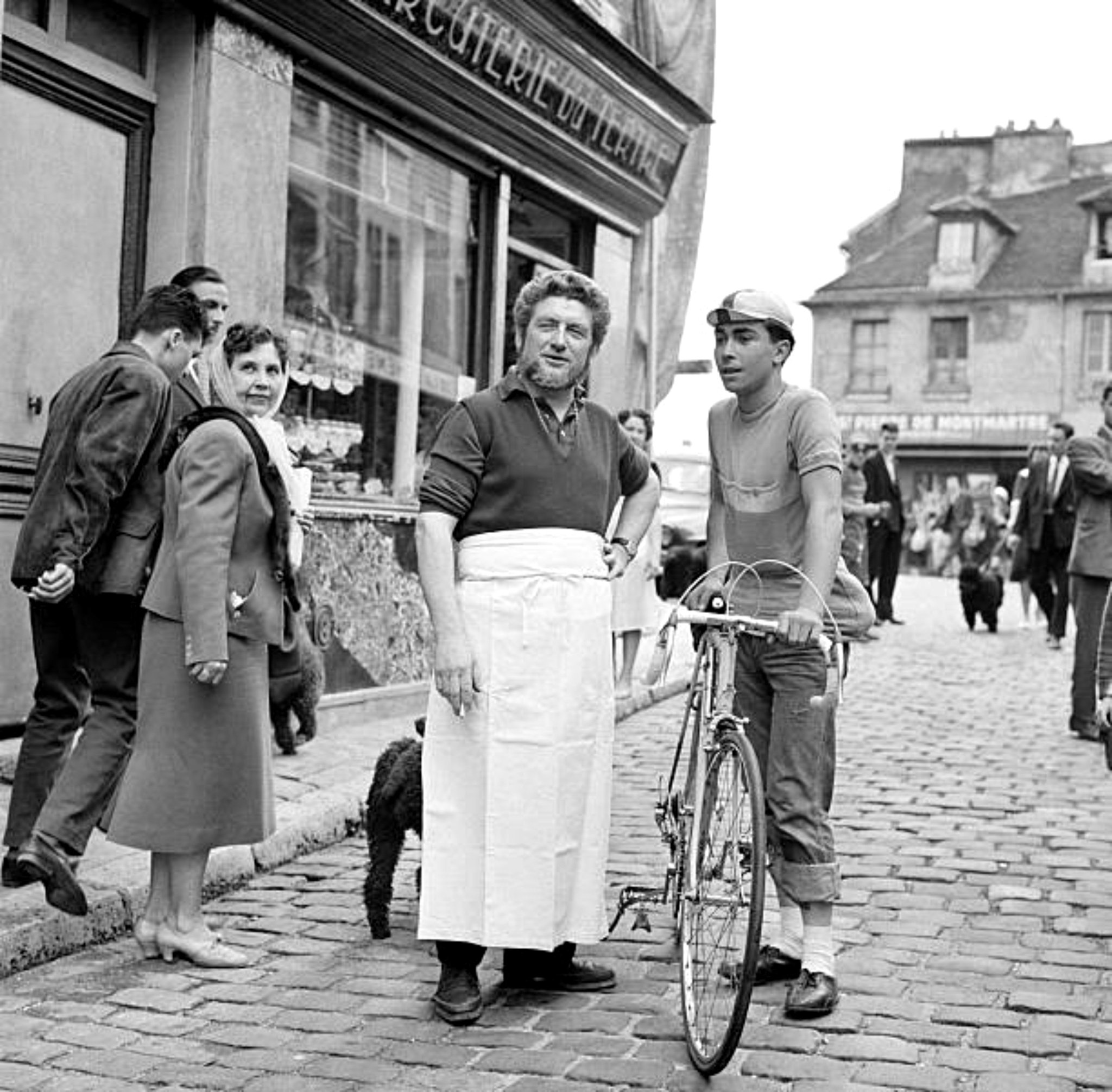
For decades, the Tour de France finale was an unchanging ceremony. The peloton would arrive on the Champs-Élysées after a ceremonial ride, the sprinters would battle for the final victory, and the French race would close with an image that had become a tradition. However, the organizers have decided to reinvent this ritual. Drawing inspiration from the spectacular circuit designed for the Olympic road cycling event at the Paris Games, the Tour incorporates three ascents of Montmartre before heading towards the finish line. The change not only alters the sporting dimension of the final stage but also transforms the race into a journey through one of the most pivotal locations in the history of modern art.
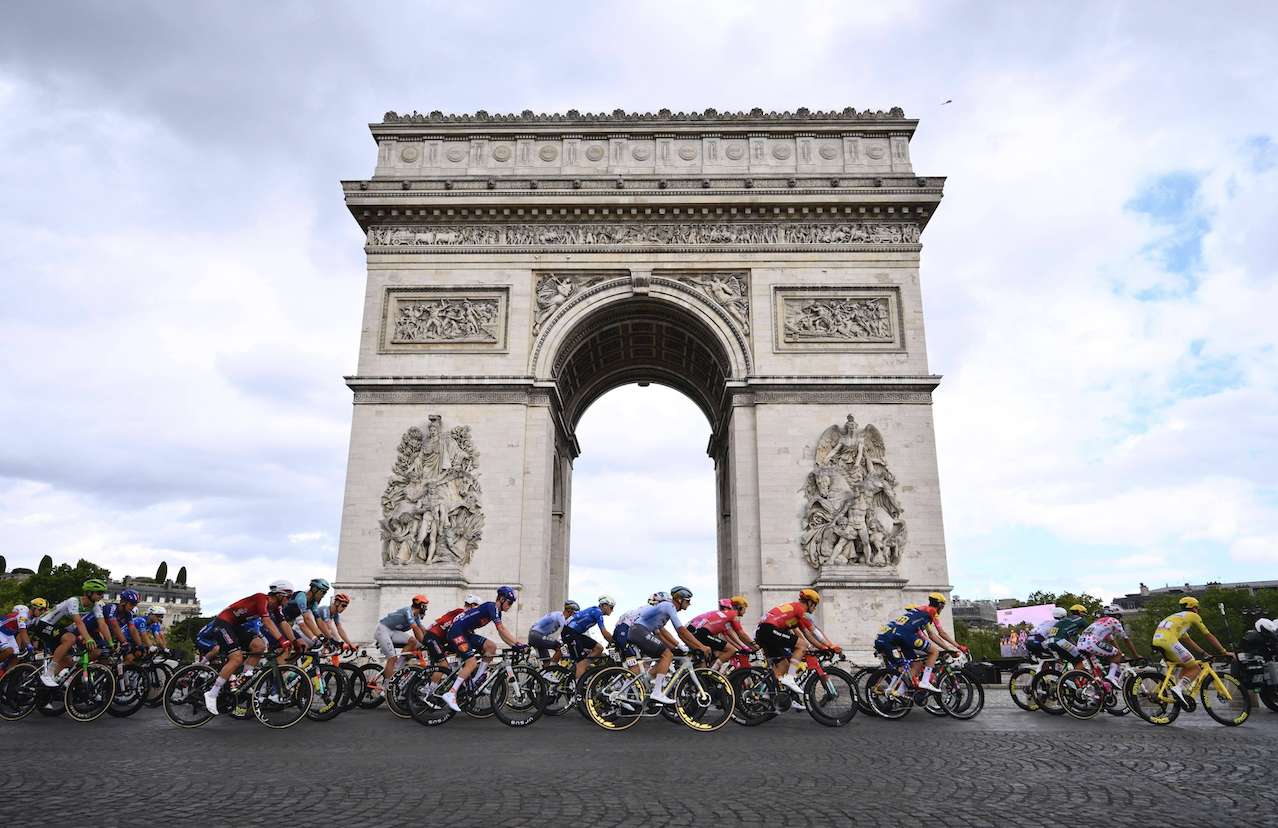
Montmartre was never just a hill. During the second half of the 19th century and the first decades of the 20th, it became a haven for those seeking a life outside bourgeois conventions. Painters, writers, musicians, and poets found modest rents, taverns open until dawn, and a creative freedom that was scarce in other Parisian neighborhoods. Its steep streets, now teeming with visitors, were then a laboratory where some of the greatest artistic revolutions of the 20th century were born.
The Tour's decision to pass through these streets three times brings renewed attention to a space that was long synonymous with experimentation and avant-garde art. The cyclists will face a short but demanding climb, amidst cobblestones and tight bends, while thousands of fans will fill the same streets where, more than a century ago, unknown artists dreamed of transforming the language of painting.
At the heart of that story is a building that sums up the spirit of Montmartre better than any other: the Bateau-Lavoir.
Its name arose because its wooden structure resembled the laundry boats that floated on the Seine. In reality, it was a collection of small, dark, poorly insulated, and extremely humble workshops. The rooms barely offered enough space for an easel, a bed, and a stove, but these inexpensive studios allowed numerous artists to live and work in Paris when they were still completely unknown.
It was there that Pablo Picasso set up his studio in 1904. That space would become the stage for a decisive transformation in the history of art. Within its walls, a new conception of representation took shape, culminating in Les Demoiselles d'Avignon (1907), considered one of the foundational works of Cubism. The break with traditional perspective, the influence of African art, and the geometric decomposition of the human body began precisely within those wooden walls.
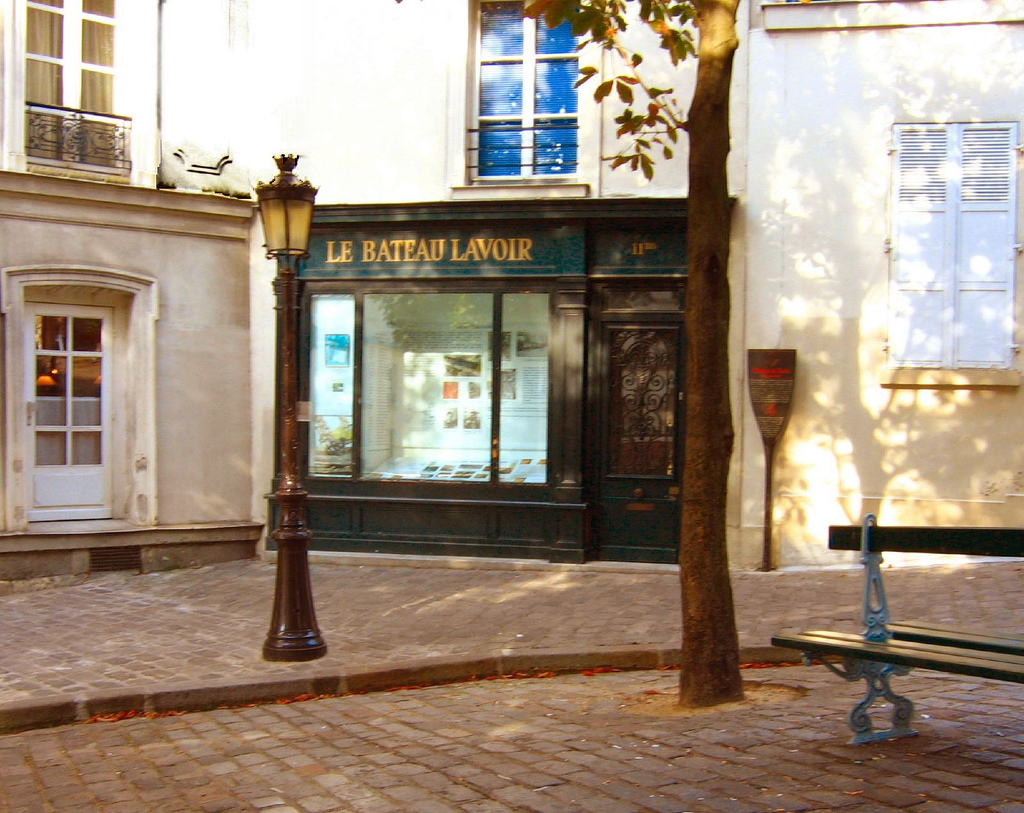
But the Bateau-Lavoir never belonged solely to Picasso. Artists such as Juan Gris, Amedeo Modigliani, Kees van Dongen, and Marie Laurencin also frequented its studios, while writers like Guillaume Apollinaire, Max Jacob, and André Salmon transformed the building into a meeting place where literature, painting, and poetry engaged in constant dialogue. More than a collective workshop, it was a creative community where ideas circulated with the same intensity as economic hardship.
Daily life was marked by hardship. The winter chill seeped through the walls, running water was scarce, and poverty was a constant companion. Yet, this lack of comfort fostered an exceptional camaraderie among artists who shared discussions, influences, and discoveries. The Bateau-Lavoir ultimately became a symbol of an era in which artistic innovation was born far from the grand cultural institutions.
The image of the Tour de France climbing Montmartre thus acquires a meaning that transcends sport. Each pedal stroke over the cobblestones traverses a landscape where speed coexists with memory. The physical exertion of the riders engages in a dialogue with the creative energy that, a century earlier, fueled one of the greatest aesthetic revolutions of modernity.
The Tour organizers have found in this new finish a way to enrich the race's narrative. If the Champs-Élysées represents monumental and republican Paris, Montmartre showcases the city of cafés, makeshift workshops, and the ideas that changed the history of art. Cycling ceases to be merely a competition and becomes a heritage journey as well.
It's no coincidence that the spectacular nature of the Olympic circuit served as inspiration for this outcome. During the Games, the passage through Montmartre demonstrated that sport could be integrated into a setting steeped in history without losing competitive intensity. The Tour now revives that idea and turns it into a new tradition.


You may be
interested
...