
News
The Flour Ecomuseum of Castelló d'Empúries, a heritage that looks to the future
The museum renovation turns the old flour mill into a space for reflection on food, sustainability and the relationship between the territory and people.
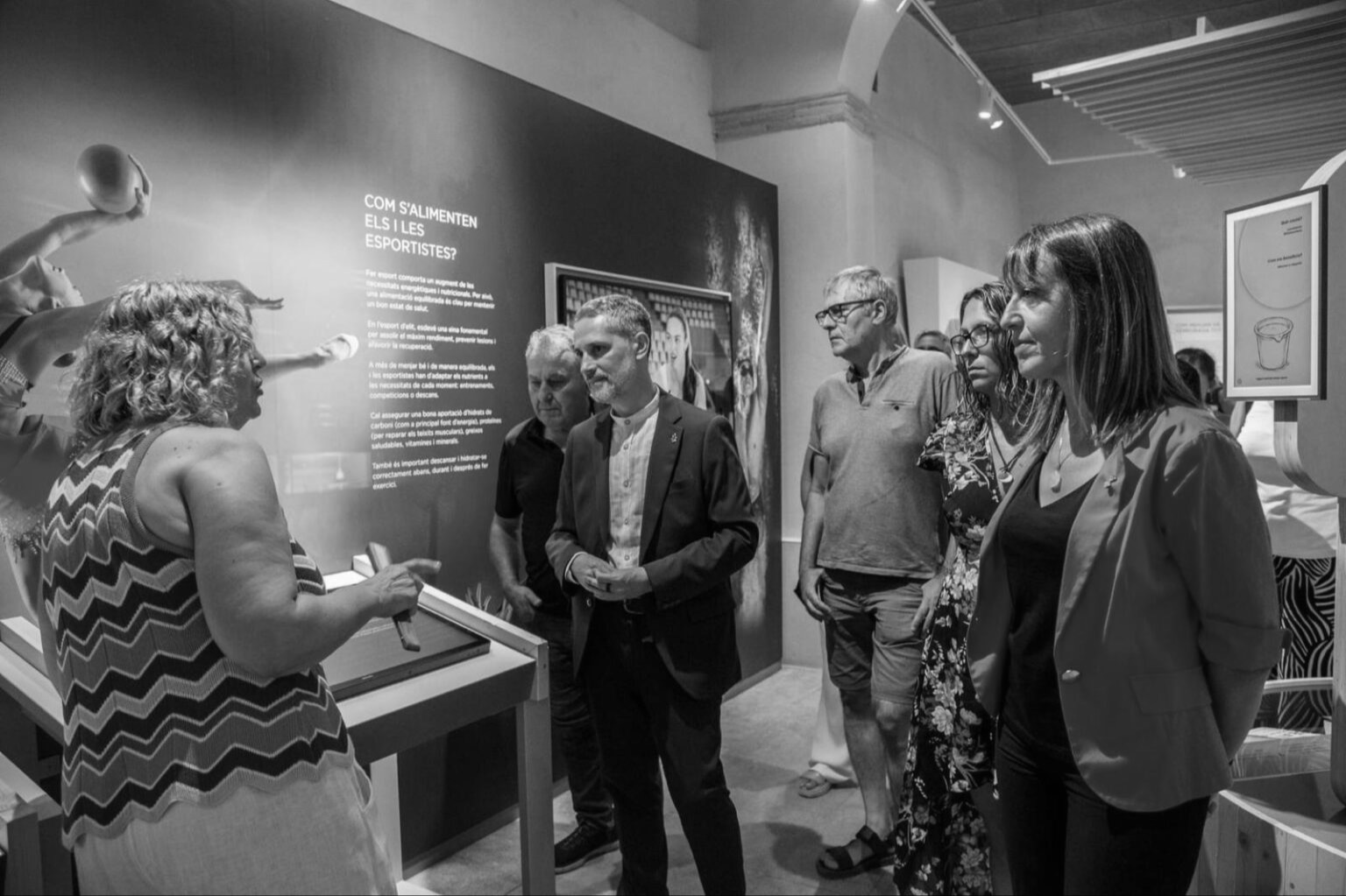
More than two decades after launching its permanent exhibition, the Castelló d'Empúries Flour Ecomuseum is beginning a new stage marked by a profound museographic renovation that redefines the way industrial heritage is explained. The project not only updates the exhibition spaces, but also broadens the museum's vision to turn it into a cultural facility capable of connecting past and present through such current issues as food, health, sustainability and the preservation of the territory.
The intervention is part of the strategy of the Castelló d'Empúries City Council to reinforce heritage as one of the great cultural and development drivers of the municipality. With an investment of close to 783,000 euros, financed entirely by the European Next Generation EU funds, the reform is part of a particularly competitive state call in which only eleven projects promoted by Catalan city councils were selected. Castelló d'Empúries obtained double recognition thanks to the renovation of the Ecomuseu Farinera and the rehabilitation of the Palau dels Comtes.
The new museographic proposal takes wheat, flour and bread as the common thread of a story that spans millennia of history. Based on these everyday elements, the tour invites us to understand the evolution of the flour industry and its importance in local history, while raising questions about food production systems, consumption habits, public health and environmental challenges of the 21st century. Bread ceases to be just a food to become a symbol capable of explaining the social, economic and landscape transformations of the last ten thousand years.
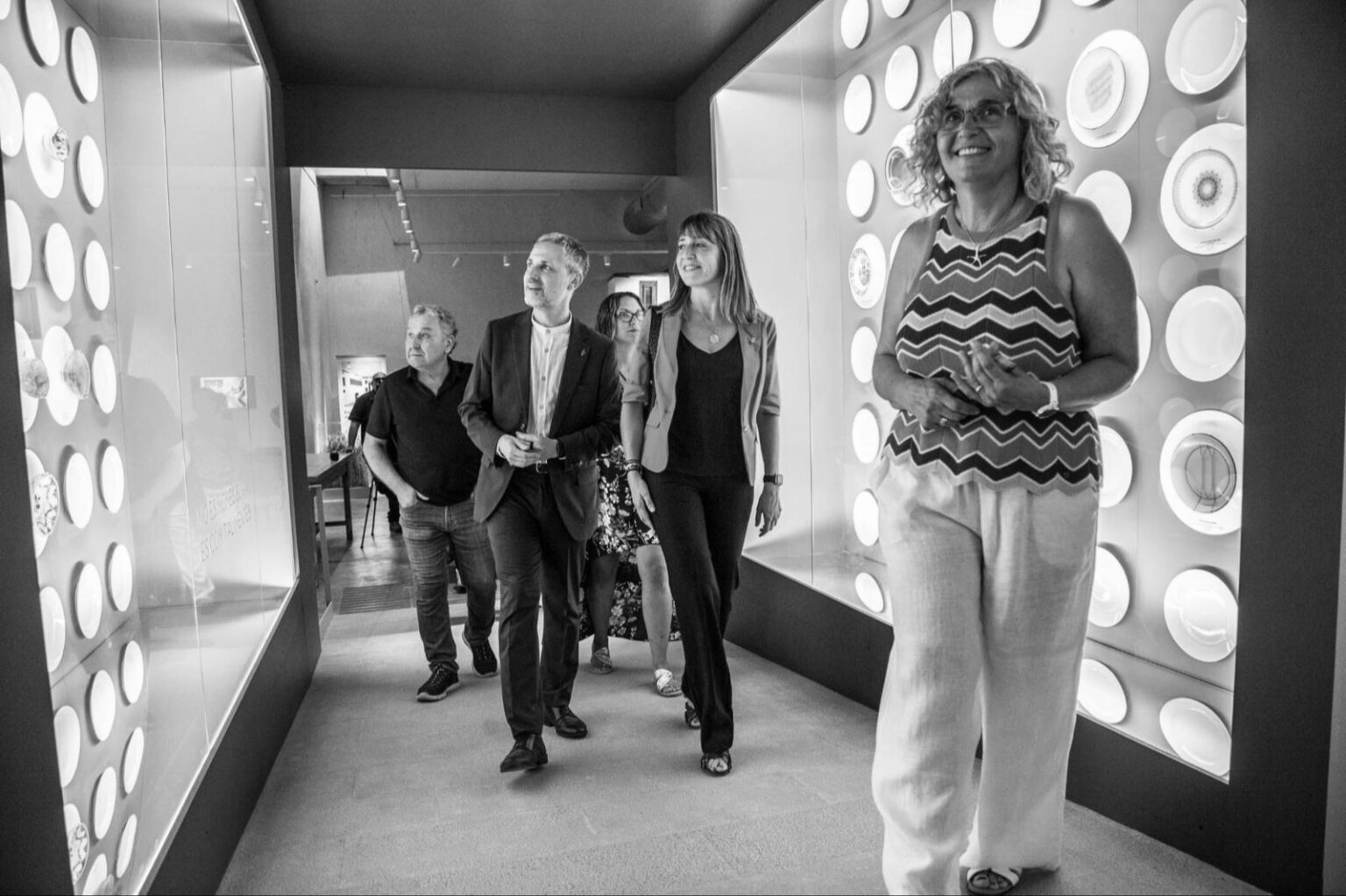
The exhibition discourse is divided into two large complementary spaces. On the one hand, the historic flour mill allows visitors to discover the workings of the old factory through the original machinery, the hydraulic power of the Molí irrigation system and the technological processes that revolutionized flour production at the end of the 19th century. On the other hand, the ÀgoraTeca incorporates a contemporary dimension into the museum, offering a space for debate and learning dedicated to healthy eating, the Mediterranean diet, local consumption, ultra-processed foods and food waste.
The Empordà landscape also becomes the protagonist of the visit. The new museography integrates graphic resources that evoke the flora and fauna linked to the Molí irrigation system and the surrounding natural spaces, reinforcing the relationship between the factory, the territory and the natural resources that have shaped the economic and social history of the region.
Beyond the contents, the reform profoundly transforms the visitor experience. The project reorganizes the reception spaces, redefines the itineraries and incorporates new interpretive resources that favor a clearer, more participatory visit adapted to the new models of heritage dissemination. The aim is to offer a more immersive and accessible experience, capable of appealing to diverse audiences without sacrificing historical rigor.
Universal accessibility has been one of the fundamental axes of the renovation. Both the spaces and the contents have been designed to facilitate physical, sensory and cognitive access, incorporating different languages, interactive elements and resources that promote the autonomy of visitors. In addition, the information is available in Catalan, Spanish, English and French, while digital tools will allow the interpretive contents and accessibility resources to be progressively expanded.
The inauguration of the new stage brought together institutional representatives, museum professionals and local entities in an event that symbolized this new perspective on heritage. The museum courtyard was transformed for the occasion with a scenography inspired by wheat fields, in line with the campaign "Wheat has a lot to tell you", an image that summarizes the will of the new Ecomuseu Farinera: to convert an old industrial space into a living cultural center, where the memory of the past serves to understand the challenges of the present and imagine a more sustainable future.

You may be
interested
...