Exhibitions
Santi Moix and ceramics as a territory of poetry and metamorphosis
The Terracotta Museum of La Bisbal d'Empordà presents In Silent Shadows and Among Dreams, an exhibition that vindicates the artist's sculptural dimension and the creative dialogue with the master ceramist Joan Raventós.
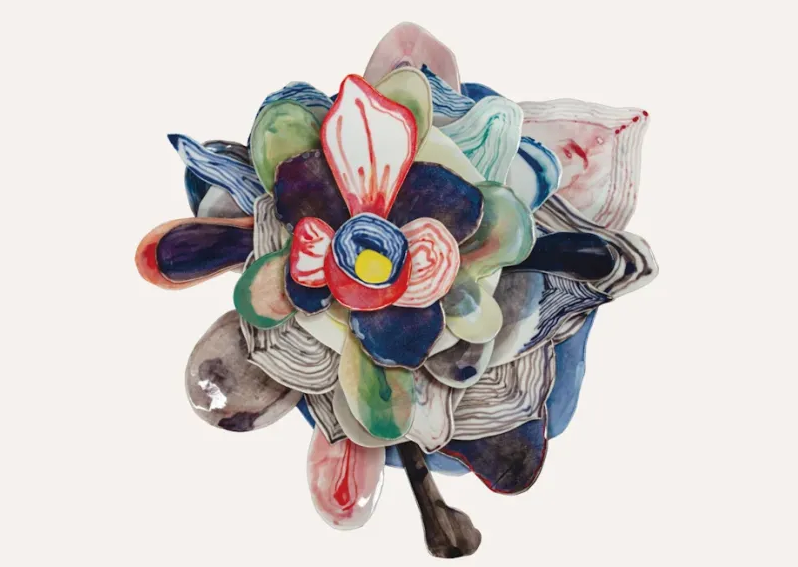
At the Terracotta Museum of La Bisbal d'Empordà, ceramics cease to be a support to become an aesthetic experience full of symbolic force. In silent shadows and between dreams, Santi Moix's work is placed in a space where matter seems to acquire a life of its own and where the visitor is invited to establish an intimate dialogue with pieces that oscillate between the plant world, memory and imagination. With the collaboration of Bonart and the Lluís Coromina Isern Foundation, the exhibition becomes one of the most outstanding proposals of the artistic season in the Girona region.
The exhibition offers a focused look at a facet that, despite its importance in Moix's career, has often been sidelined by the projection of his painting. Here, however, it is ceramics that takes on all the prominence. Clay, stoneware and porcelain are transformed into sculptures that challenge any conventional reading of the material and reclaim this language as a fully contemporary discipline.
Santi Moix's visual universe is immediately recognizable. Organic forms, exuberant flowers, hybrid figures and structures that seem to have emerged from a dream populate the museum's rooms with an almost theatrical intensity. What in painting is resolved with expansive brushstrokes and a chromatic explosion, in ceramics becomes volume, texture and physical presence. The pieces do not seek to represent nature, but to reinvent it, proposing an imaginary where fantasy and reality coexist without borders.
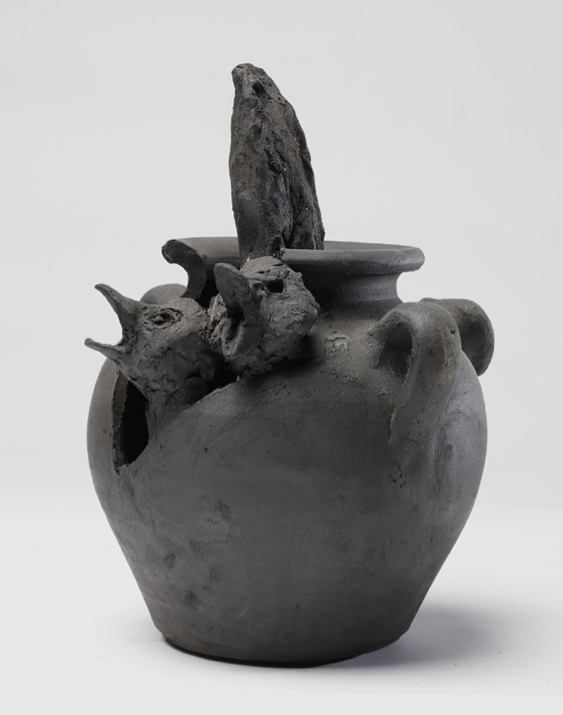
There is a constant tension in this work between technical control and creative spontaneity. The glazed surface, the sinuous forms and the delicacy of the porcelain hide a demanding work process that is only fully perceived when the visitor gets close to the details. It is precisely in this proximity that the sculptures reveal all their complexity: small cracks, textures, reliefs and chromatic variations that turn each piece into a living organism.
The exhibition also highlights one of the less visible but most decisive aspects of Moix's production: his close ties with La Bisbal d'Empordà and, especially, the creative relationship he has maintained since 1993 with the ceramist Joan Raventós. Far from responding to the usual model of artist and technical executor, this collaboration has been built over more than three decades as a genuine space for shared research.
Raventós contributes much more than his mastery of ceramic processes. His knowledge of the material, the glazes and the firings becomes a fundamental tool so that Moix's sculptural intuitions can materialize without losing poetic intensity. This complicity explains much of the formal freedom that characterizes the works present in the exhibition, capable of assuming technical risks without renouncing great visual delicacy.
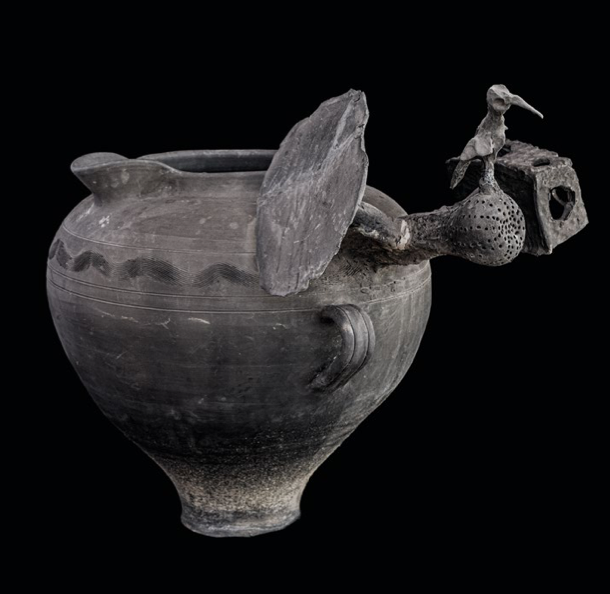
From a critical perspective, In Silent Shadows and Between Dreams also raises a reflection on the place occupied by ceramics today within contemporary art. Moix dismantles any hierarchy between painting, sculpture and fire arts, demonstrating that ceramics can generate a language as complex and suggestive as any other medium. Earth, fire and porcelain cease to be materials linked exclusively to artisanal tradition to become instruments capable of articulating discourses full of contemporaneity.
The exhibition also confirms the role of the Terracotta Museum as a space that transcends the simple preservation of ceramic heritage to become a center for reflection on the current possibilities of this artistic language. In this context, Santi Moix's work naturally dialogues with the Bisbalan tradition, but does so from a radically free perspective, open to poetry, dreams and the constant transformation of matter.

You may be
interested
...