News
Olot, international architecture laboratory in the year of World Capital 2026
The RCR workshops and the Open Program turn La Garrotxa into a global epicenter of architectural thought, with the presence of Pritzker Prize winners and key figures of contemporary creation.
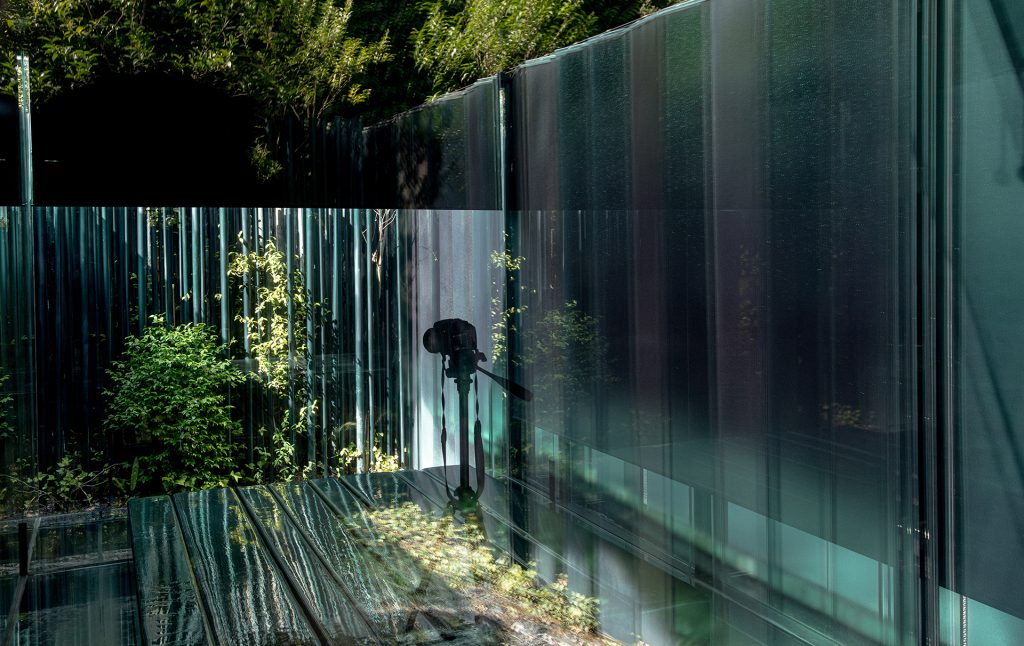
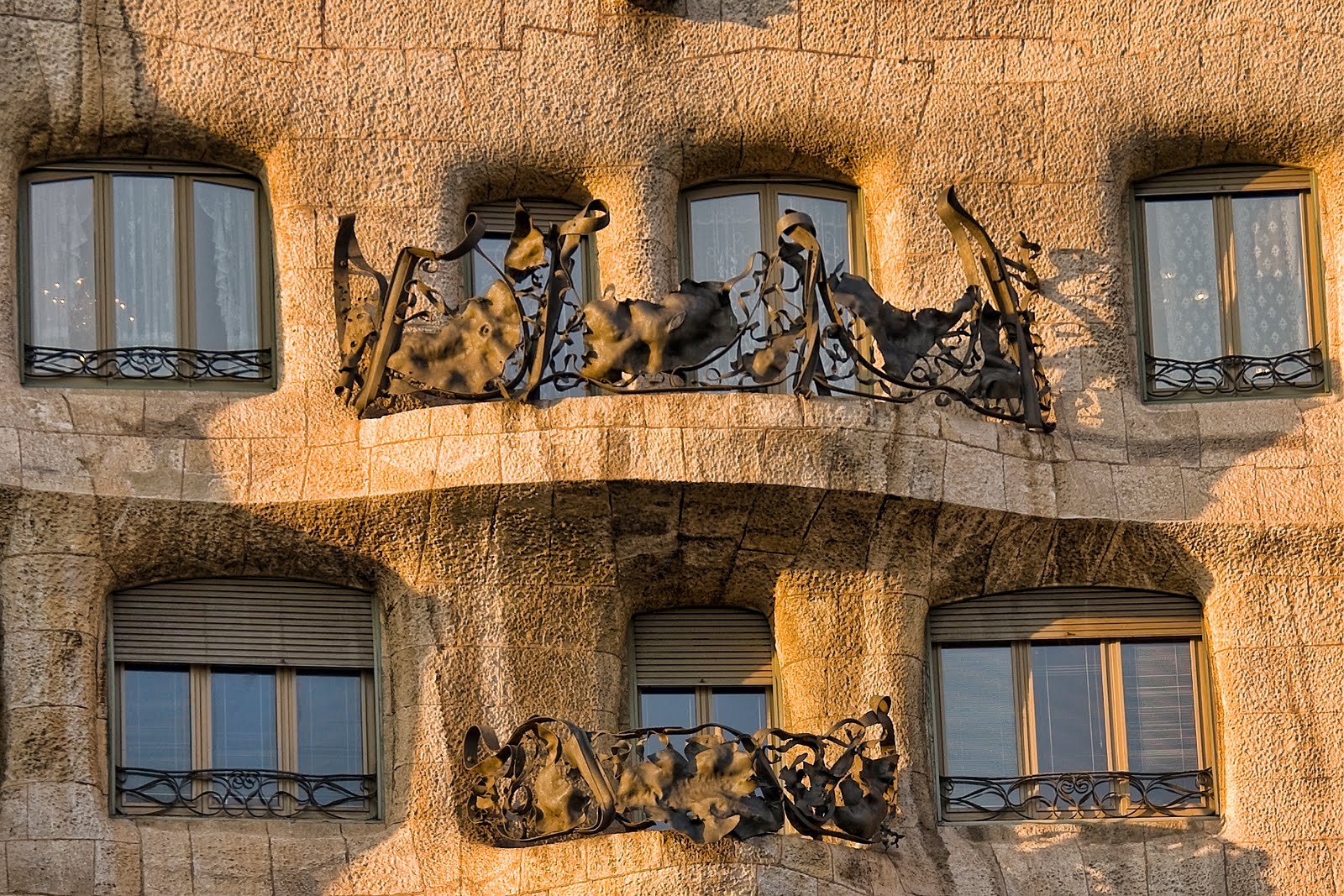
Olot is preparing to experience one of the most significant editions of its international cultural project with the return of the RCR Summer Workshop and the Obert 2026 Program. Between June 26 and July 11, the city is transformed into a space for research, training and creation that connects La Garrotxa with the main global debates on architecture, landscape and contemporary culture, in an exceptional context marked by Barcelona's World Capital of Architecture, the UIA World Congress and the commemoration of the Gaudí Year.
Promoted by the RCR Bunka Foundation and RCR Lab·A, the programs consolidate a trajectory that began in 2008 and reinforce Olot's role as an international platform for interdisciplinary experimentation. The 2026 edition brings together participants from 26 nationalities and is committed to a global view of space, understood not only as a physical reality but also as a sensitive, cultural and emotional experience.
Space as an experience: a new architectural sensitivity
Under the motto “The Experience of Space”, this year's workshops delve into the perceptual dimension of architecture. Continuing the conceptual line of “Atmospheres”, the program proposes understanding space as a living phenomenon capable of generating memory, emotion and new ways of inhabiting.
This reflection unfolds through three axes: the International Architecture and Landscape Workshop, the International Photography Workshop and the Open Conference Program. Together, they form a training ecosystem that combines research, practice and dissemination.
An international campus in Garrotxa
The Summer Workshop 2026 will bring together nearly a hundred students and professionals from all over the world. The edition stands out for its geographical diversity, with a strong presence from Latin America, Europe and Asia, consolidating the program as a global meeting point for new generations of architects and creators.
The workshop, led by architects from RCR Arquitectes, proposes a rigorous exercise that simulates a professional competition and is developed through fieldwork in Olot and Santa Pau. Participants explore the relationship between the city and the volcanic landscape, with projects linked to urban regeneration and the reinterpretation of heritage.
One of the highlights is the intervention in the streets of the old town of Olot, as well as a new line of work in the Santa Pau Castle, conceived as a long-term exercise to rethink heritage as a living space open to new uses.
Photography, architecture and contemporary perspective
At the same time, the International Photography Workshop, directed by Hisao Suzuki, proposes an exploration of space through the image. The workshop delves into the capacity of photography to capture atmospheres, tensions and invisible relationships between architecture and its environment.
Participants will work on projects linked to the work of RCR, including spaces such as Tossols-Basil or the Pavellons de Les Cols, expanding the reflection on how architectural perception is constructed in the contemporary era.
Conferences and open thinking
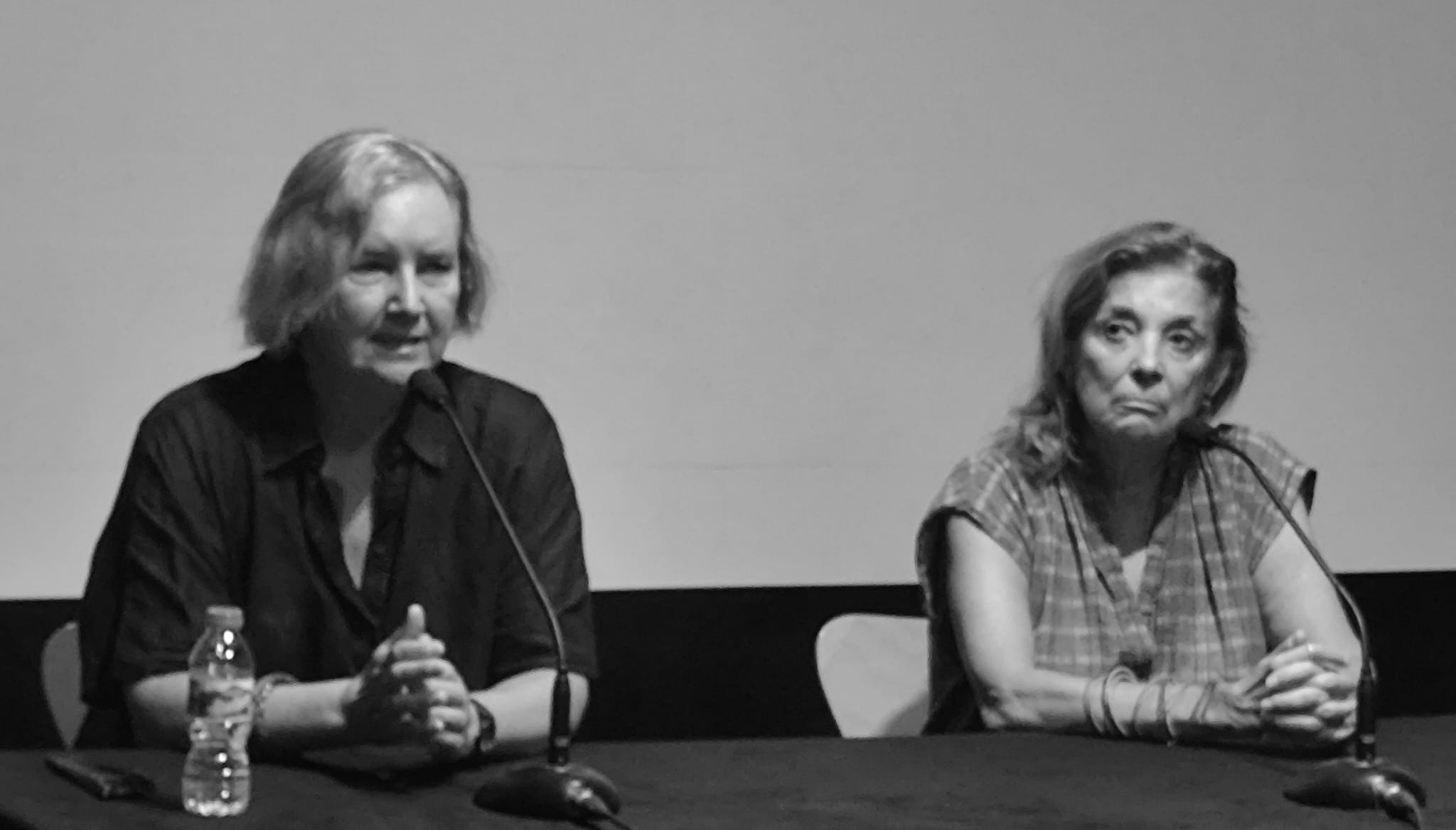
The Open Program 2026 unfolds a cycle of free conferences that connect diverse disciplines and languages. Figures such as Junya Ishigami or Enric Palau will provide visions that range from the dissolution of the boundaries between nature and architecture to the relationships between sound and space.
A particularly outstanding session will bring together twenty former members of the RCR studio in a PechaKucha format that will showcase the international projection of their school of work.
The audiovisual cycle Matèria Bosc is also being consolidated, which investigates the relationship between landscape, art and ecological awareness through contemporary audiovisual creations.
An exceptional encounter at the Sagrada Familia
One of the most important moments of the year will take place in Barcelona, with a conference at the Sagrada Família that will bring together four Pritzker Prize winners: Kazuyo Sejima and the three members of RCR Arquitectes. The event, framed in the Gaudí Year, proposes a dialogue between heritage and contemporaneity in one of the most symbolic architectural settings in the world.
Olot as a territory of the future
With this new edition, Olot reinforces its position as a space for cultural production and international architectural reflection. Beyond training, the workshops consolidate themselves as a research platform on how we inhabit the world and how architecture can contribute to rethinking the relationship between people, territory and memory.
In a key year for Catalan architecture, La Garrotxa thus becomes a place where thought is collectively constructed, between the volcanic landscape and the ideas that project the future of cities.

You may be
interested
...