Exhibitions
The Louvre at a crossroads. The mega-renovation plan to sustain the world's most visited museum
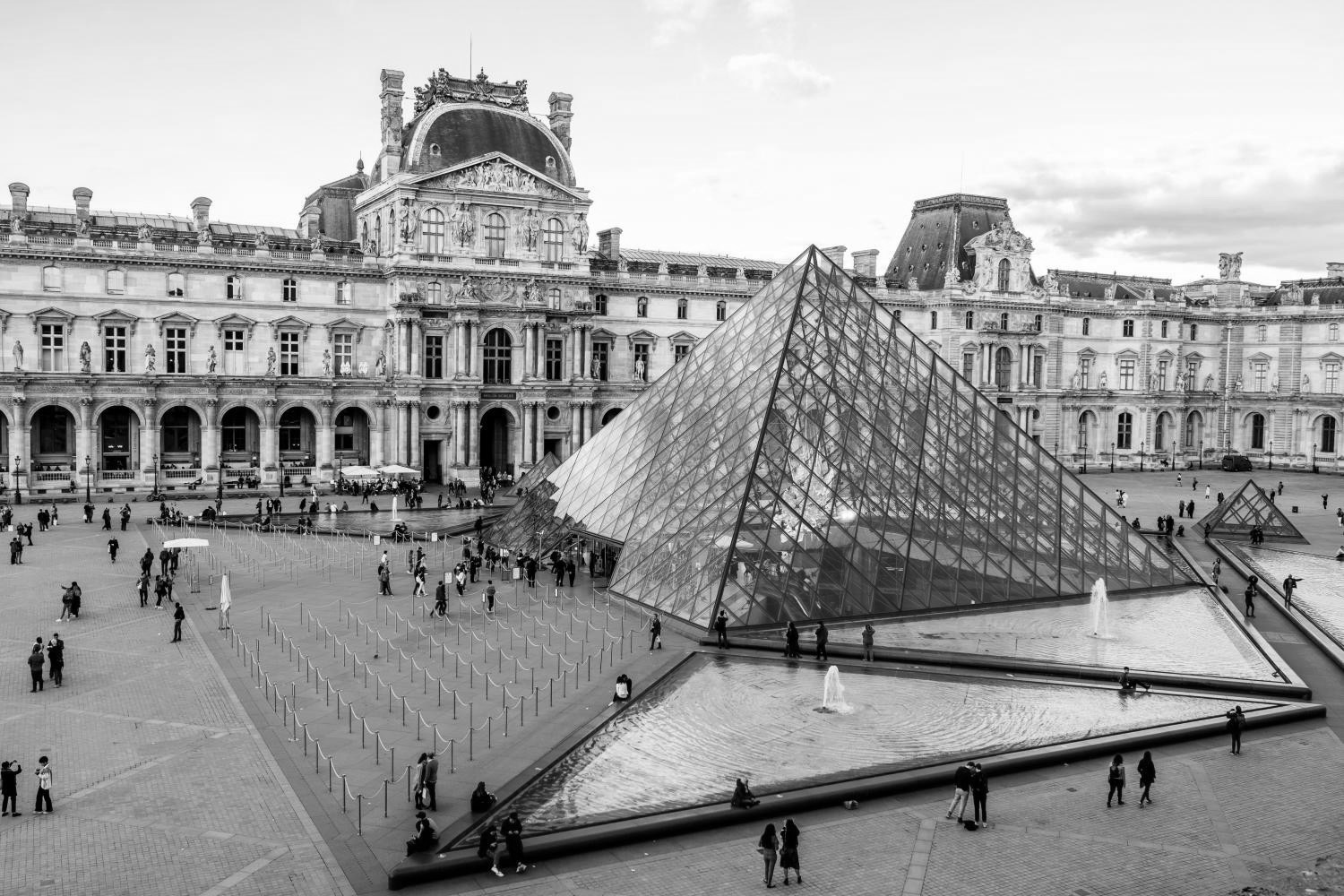
The Louvre Museum is at a critical juncture, marked by the structural deterioration of its facilities, the extreme pressure of global tourism, and recent security breaches that have called its internal operations into question. Its management describes the situation as a true "crossroads," where the museum, designed to receive around four million visitors annually, now handles more than nine million, pushing its decades-old infrastructure to its limits. This mismatch between design and reality has resulted in constant queues, overcrowded spaces, and an increasingly stressful visitor experience for both the public and staff, while I.M. Pei's iconic pyramid, conceived as a grand, modern entrance, is proving inadequate to handle the current volume of tourist traffic.
This structural pressure was compounded by a serious security incident that exacerbated the institutional crisis: a group of thieves gained access to the museum using an art elevator, broke a window on an upper floor, and stole Crown Jewels valued at over $100 million in just eight minutes, escaping through the same entrance. Although authorities have made arrests, the pieces have not been recovered, and the impact of the theft led to partial closures, staff strikes, and a thorough internal review of security systems. Against this backdrop of mounting tension, the previous administration resigned after a series of controversies that also included management problems and labor unrest, and the new leadership assumed the challenge of stabilizing an institution in crisis.
In his address to the French Senate, the current president of the museum stressed the urgent need for a large-scale structural transformation, emphasizing that the Louvre faces not only problems with visitor numbers, but also aging infrastructure and technical systems at the end of their lifespan. From this vision emerged the "Nouvelle Renaissance" project, a renovation plan exceeding €1 billion that aims to redefine both the visitor experience and the museum's internal operations.
The project includes, firstly, the creation of a new entrance on the east side of the complex, with the aim of decongesting the current access points and improving visitor flow. It also includes a complete modernization of the security systems, one of the areas most criticized after the recent robbery, and a reorganization of internal traffic flows to alleviate the constant overcrowding in the main halls.
One of the most visible elements of the plan will be the construction of a new large-format room dedicated to the Mona Lisa, designed to decongest the current Hall of States and improve the experience of contemplating the museum's most visited work.
The project, designed by international architecture firms, also seeks to improve the quality of the visitor experience, an aspect that management currently considers deteriorated by long waits, poor acoustics and an entrance experience that does not correspond to the Louvre's status as the most visited museum in the world.
In parallel, the institution is working to secure additional funding, some of which is linked to revenue generated from the international exploitation of its brand. Management maintains that the renovation is not merely a physical expansion, but a necessity for cultural survival and adaptation to a landscape in which mass tourism is redefining the role of major museums.



You may be
interested
...