News
Catalan culture faces the challenge of preserving its voice in the age of artificial intelligence
The CoNCA's annual report on the state of culture and the arts 2025 warns of the risks of cultural creation homogenized by AI, while demanding more rights, better funding and a more sustainable and inclusive cultural system.
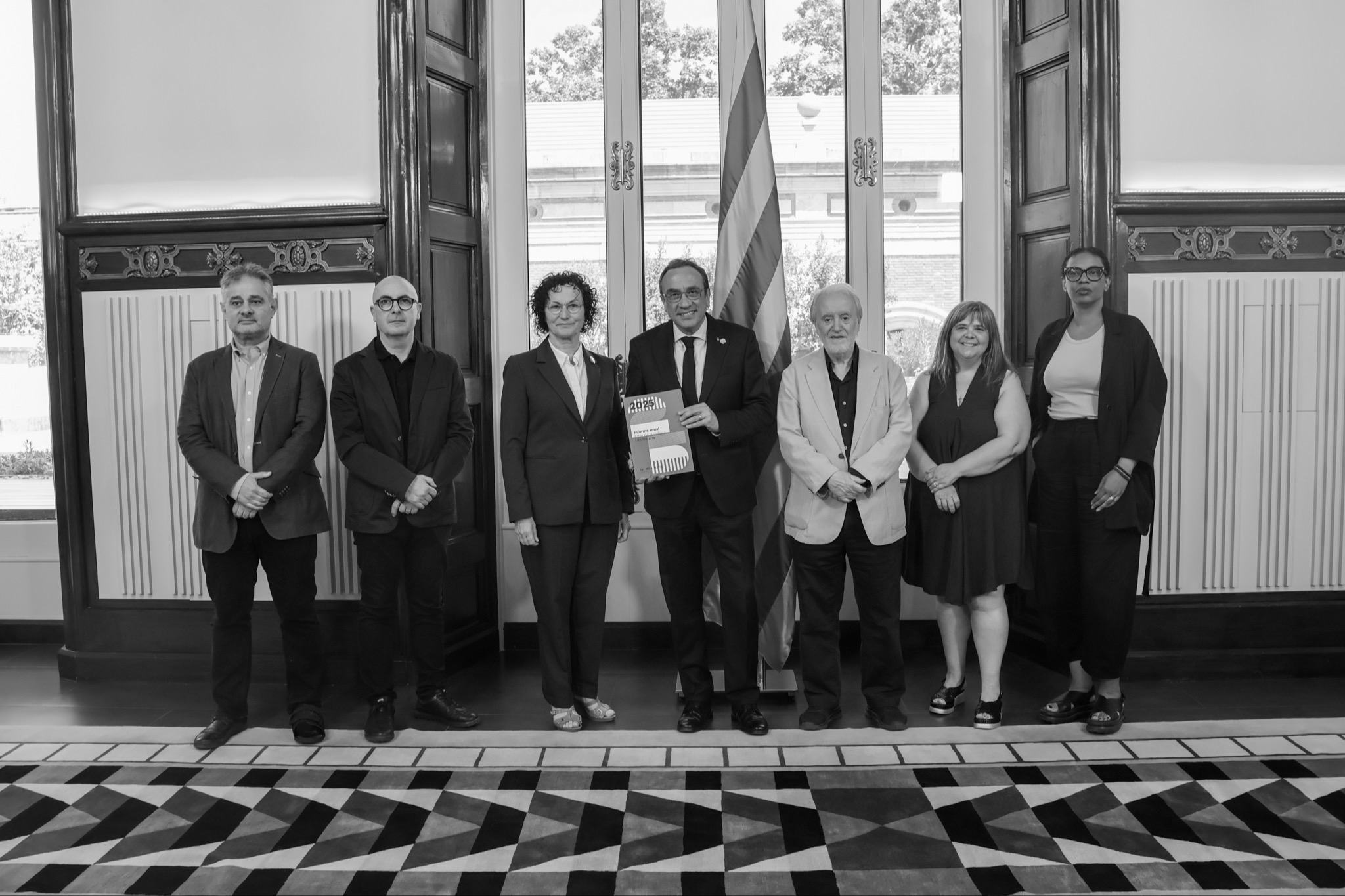
Catalan culture is experiencing a moment of contrasts. On the one hand, the data show an expanding sector, with more audiences, a more active network of facilities and a greater international projection. On the other, structural fragilities persist that affect the sustainability of artistic creation, especially with regard to the precarious employment of cultural professionals and the new challenges arising from technological transformation.
This is one of the main conclusions of the Annual Report on the State of Culture and the Arts 2025 prepared by the National Council for Culture and the Arts (CoNCA), which places artificial intelligence at the center of the current cultural debate. According to a survey conducted among professionals in the sector, seven out of ten consider that AI poses urgent challenges in terms of authorship, creators' rights and the preservation of cultural diversity. The main fear is that the massive use of these technologies could favor a more uniform, less diverse and progressively distant artistic production from the human dimension that defines cultural creation.
The report does not reject the potential of artificial intelligence, but insists on the need to incorporate it with criteria of responsibility, transparency and equity. Among its recommendations, it highlights the promotion of digital training for cultural professionals, equal access to technological tools and the creation of governance frameworks that guarantee respect for copyright and the diversity of cultural expressions.
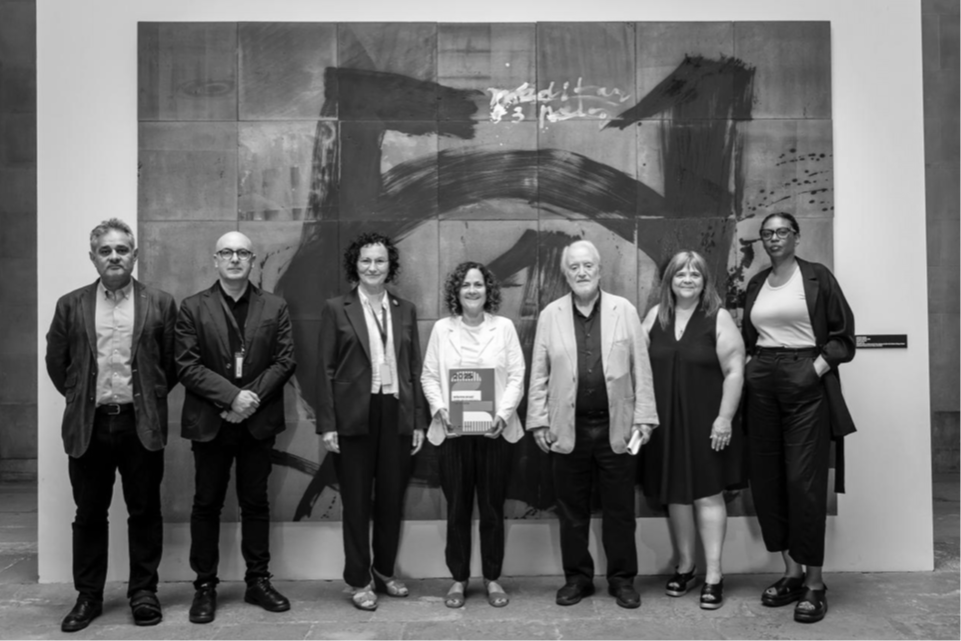
In the economic sphere, Catalan culture will reach a record public investment of 1,517 million euros in 2025, the equivalent of 189 euros per inhabitant, the highest figure recorded to date. City councils continue to be the main drivers of cultural funding, contributing 58% of the total, followed by the Generalitat with 31%, the provincial councils with 10% and the county councils with a participation of less than 1%.
Activity indicators also confirm a recovery in cultural consumption. Theatre box office grew by 7.7%, museums increased their visitors by 9.1% and the Catalan publishing sector increased its turnover by 9.3%. The counterpoint is provided by cinematographic exhibition, which recorded a drop of 11% in spectators, while subscriptions to on-demand audiovisual platforms continue to increase with a growth of 32%, evidencing the transformation of cultural consumption habits.
Faced with this scenario, the CoNCA calls for a long-term strategic vision based on three main axes: guaranteeing the cultural rights of all citizens, strengthening the structures that support the sector and governing technological transformation in a democratic manner.
Among the proposed measures, the acceleration of the future Cultural Rights Law, a stable financing model based on investment per inhabitant, the reinforcement of local and community cultural projects, the improvement of artists' working conditions through the Artist's Statute, the reduction of bureaucratic burdens and greater participation of the sector in decision-making stand out.
The report also emphasizes the need to fully integrate culture within the educational system, consolidate Local Schools of the Arts as spaces of lifelong access, strengthen the presence of Catalan in all areas of cultural creation and consumption and guarantee a territorially balanced network of facilities.
In short, the great challenge posed by the CoNCA is not only to adapt culture to new technologies, but to ensure that this transformation is carried out without renouncing what makes artistic creation unique: the diversity of perspectives, social roots and the human capacity to give meaning to the world.

You may be
interested
...