
Exhibitions
Willem de Kooning and drawing as the origin of an artistic revolution
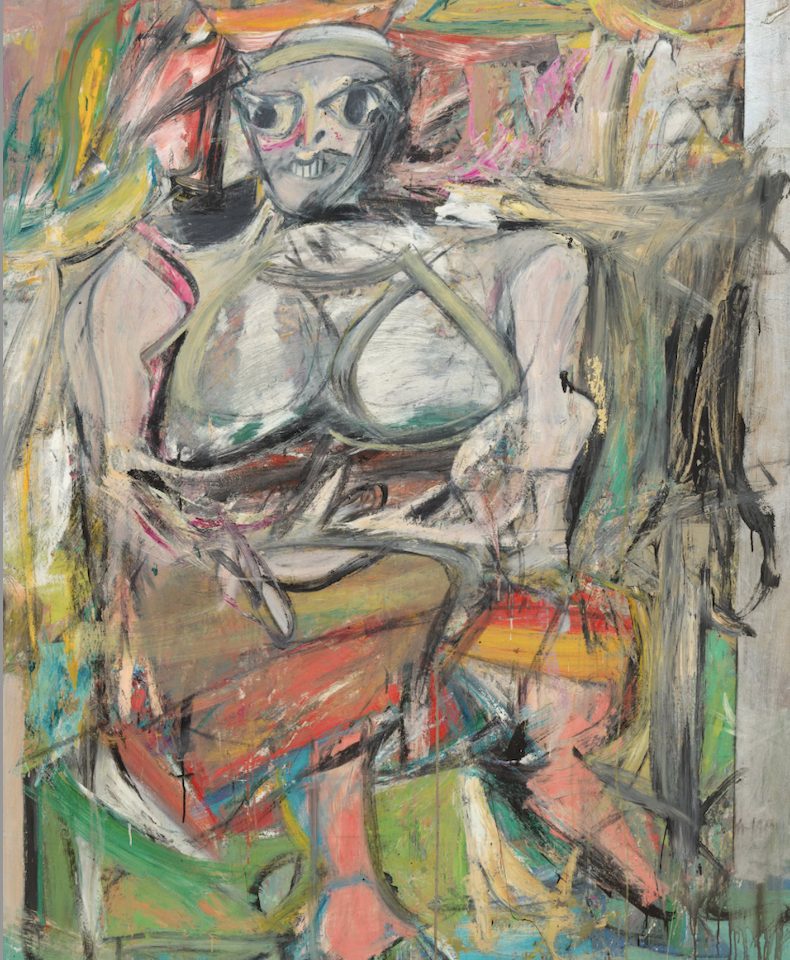
The Art Institute of Chicago opens its galleries from June 14 to September 20 to Willem de Kooning Drawing , a landmark exhibition that reveals the lesser-known dimension of one of the most influential artists of the 20th century. Although Willem de Kooning (1904–1997) is inextricably linked to American Abstract Expressionism and his monumental paintings, this exhibition focuses on the true starting point of all his work: drawing.
With more than 200 works from museums, institutions and private collections around the world, many of them brought together for the first time, the exhibition becomes the largest dedicated to his graphic production to date and also represents the artist's first solo exhibition at the Chicago museum since 1969.
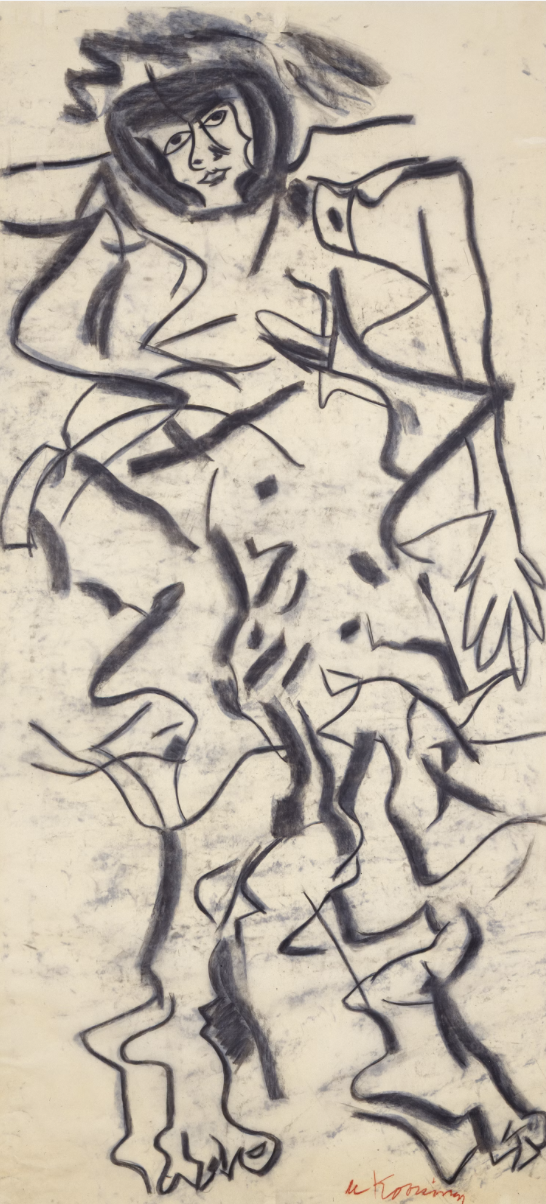
Rigorously trained at the Rotterdam Academy of Visual Arts and Technical Sciences, De Kooning developed an extraordinary mastery of traditional drawing techniques from a very young age. In 1926, at just 22 years old, he secretly boarded a freighter bound for the United States with the dream of becoming an illustrator. His arrival in New York marked the beginning of an intense career in which he worked as a house painter, window dresser, and commercial artist, while becoming involved in the city's avant-garde circles.
There he formed friendships with creators such as Stuart Davis, Arshile Gorky and John Graham, and ended up consolidating himself as a central figure of the so-called New York School or The Irascibles, alongside essential names such as Jackson Pollock, Lee Krasner, Barnett Newman and Mark Rothko.
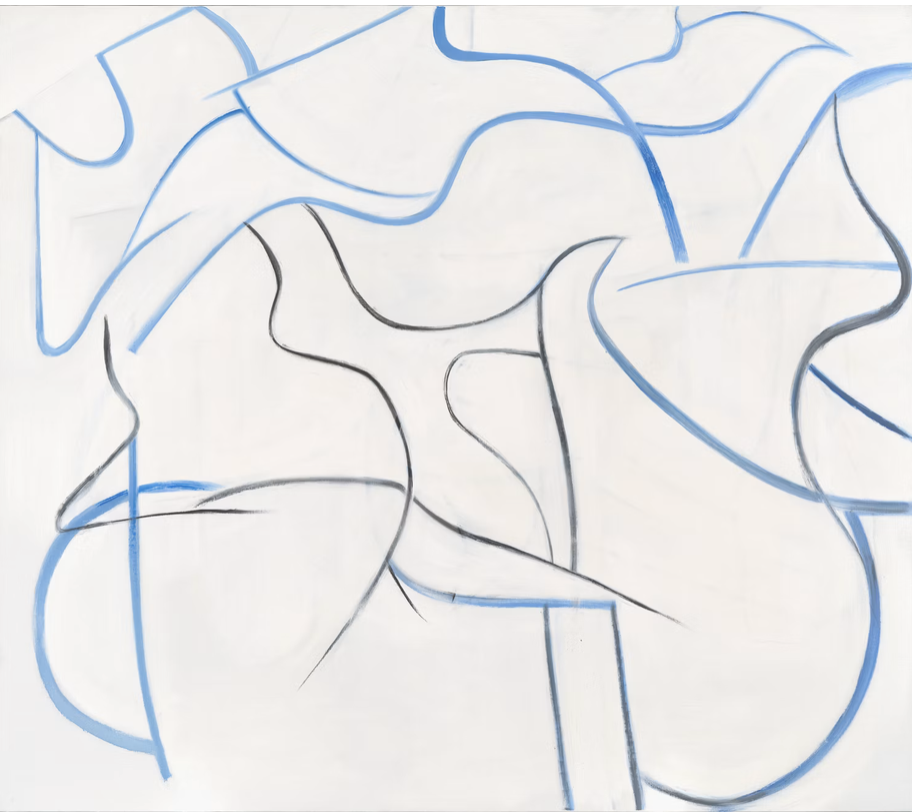
The exhibition traces his entire artistic evolution, from his earliest surviving drawings to his later, almost calligraphic works, revealing a creator who never stopped experimenting. De Kooning constantly challenged the limits of materials and processes, even creating drawings with his eyes closed and incorporating techniques derived from his experience as an illustrator and commercial designer.
Ambiguity became one of the hallmarks of his artistic language. In his work, the boundaries between figuration and abstraction, between masculine and feminine, between so-called 'high' art and popular visual expressions, are blurred. Above all, the traditional separation between drawing and painting disappears, a relationship that the artist himself defined with a revealing phrase: "I draw with paint, and normally I don't feel a great difference between drawing and painting."
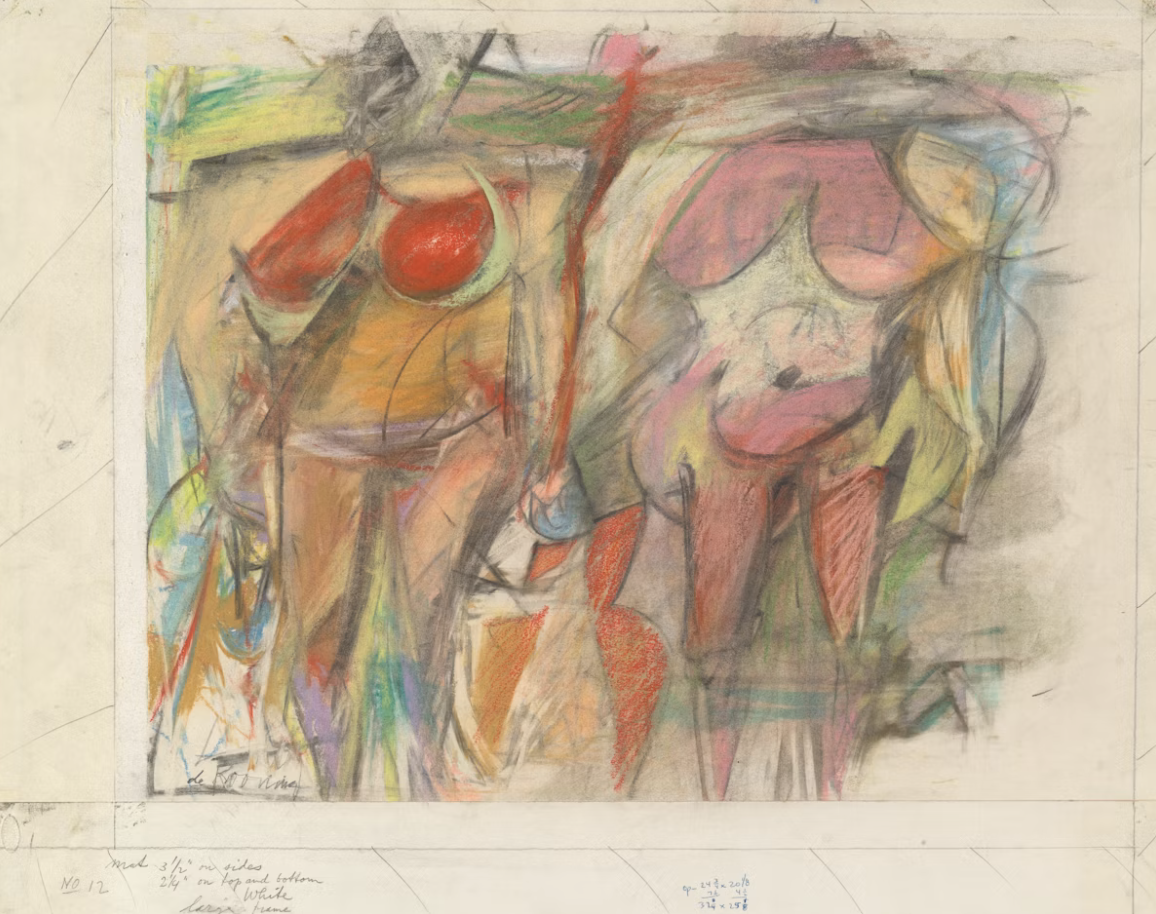
Among the highlights of the exhibition are Excavation (1950), an emblematic work from the Art Institute's collection, and the celebrated Woman I (1950–1952), from the Museum of Modern Art in New York, along with little-known drawings, sculptures, prints and paintings that have rarely been exhibited to the public.
More than a simple retrospective, Willem de Kooning Drawing invites us to rediscover an artist in constant transformation, for whom drawing was not a step prior to painting, but a territory of continuous exploration where some of the most radical and revolutionary ideas of contemporary art were born.
You may be
interested
...