Exhibitions
Football: designing a passion
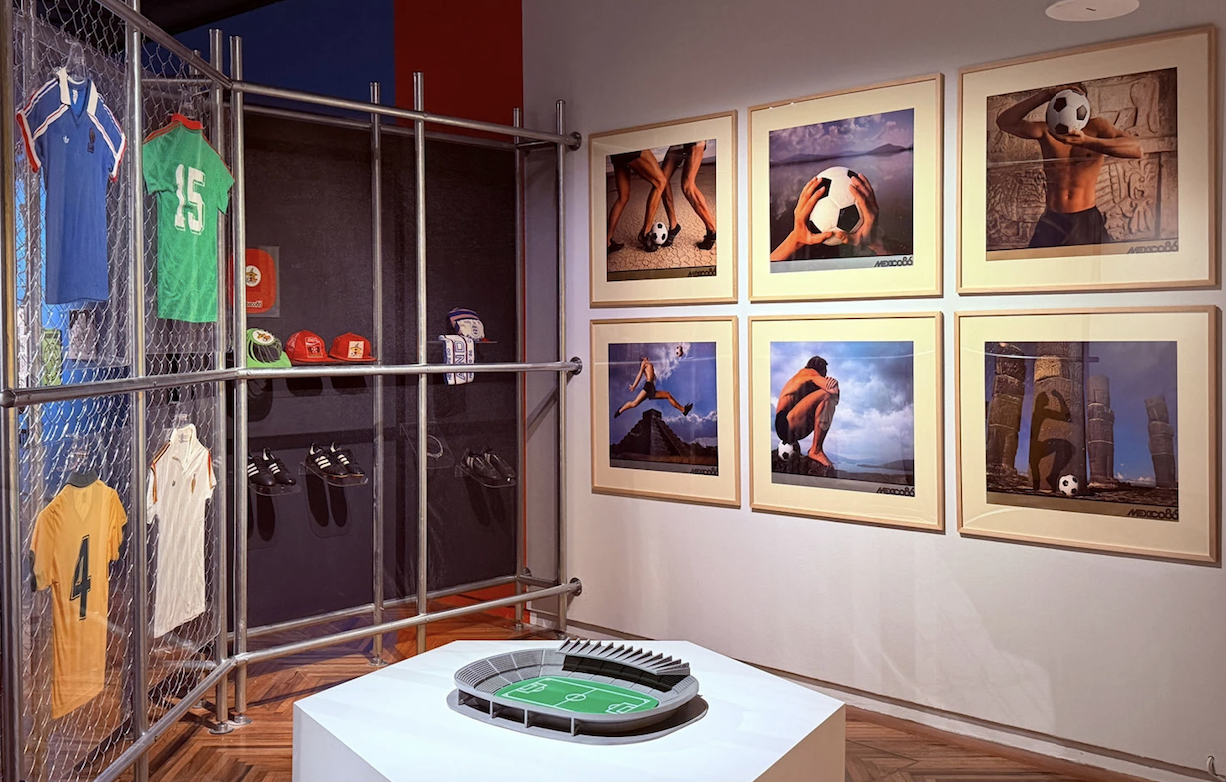
Among leather balls, art deco posters, historic jerseys and unforgettable memories of the great legends of football, the Franz Mayer Museum opens its halls to an exhibition that understands the World Cup not only as a sporting phenomenon, but as one of the most influential cultural and visual events in contemporary history.
From March 25 to August 16, 2026, the exhibition "Football: Designing a Passion" offers a journey through the nine World Cups held in the Americas, exploring how design has shaped the most-watched sporting spectacle on the planet. Curated by Dr. Kevin Moore, the exhibition brings together historical artifacts, photographs, publications, apparel, signage, and objects used by figures such as Pelé, Diego Armando Maradona, Hugo Sánchez, Lionel Messi, and Cristiano Ronaldo.

Beyond football nostalgia, the exhibition offers a cultural interpretation of the sport: how each World Cup reflects the political, technological, and aesthetic aspirations of its time. The exhibition progresses chronologically from Uruguay 1930 to the next World Cup in 2026, revealing a dual history: the evolution of football and the transformation of the century that turned it into a universal language.
The exhibition begins in Montevideo, the host city of the first World Cup in history. Uruguay had just won Olympic medals in 1924 and 1928 and sought to celebrate the centenary of its independence by presenting a modern and progressive image to the world. The construction of the Centenario Stadium—then the largest sports venue outside the United Kingdom—symbolized this national ambition. From its inception, football became linked to power, identity, and political representation.
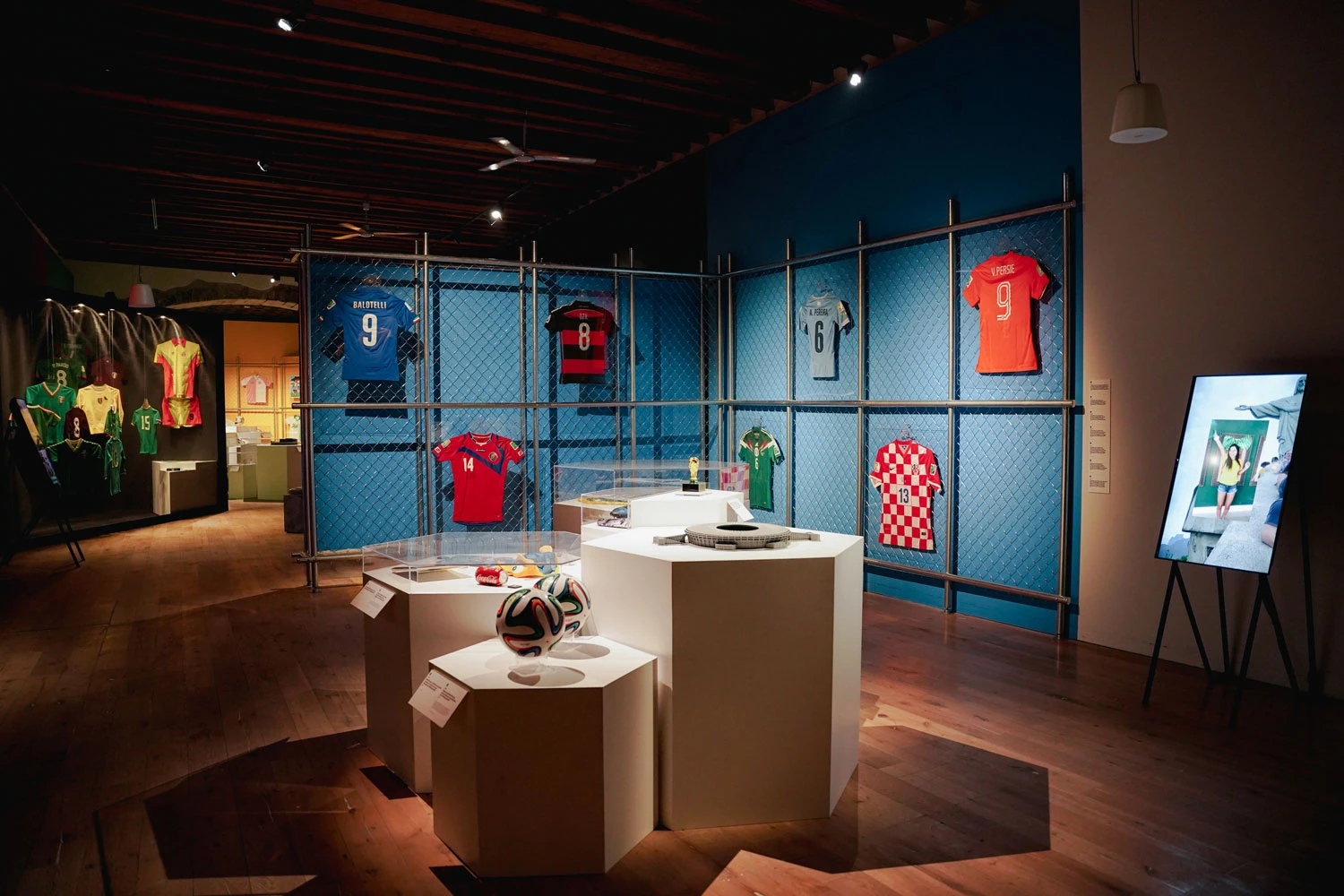
Courtesy of the Franz Mayer Museum.
The exhibited items allow us to observe how much the game has changed. The first balls, made of heavy leather, became difficult to control in the rain. The jerseys were thick and impractical, a far cry from today's technical fabrics. Radio was the only medium capable of carrying the excitement of the matches beyond the stands, while the official posters shared the geometric and typographic aesthetic of the Art Deco style that was dominant at the time.
Architecture also takes center stage. Models and historical photographs showcase stadiums conceived as symbols of national modernity and venues for collective gatherings. Graphic design, advertising, souvenirs, and sports broadcasts are all discussed in the exhibition as elements that helped shape the visual identity of global football.
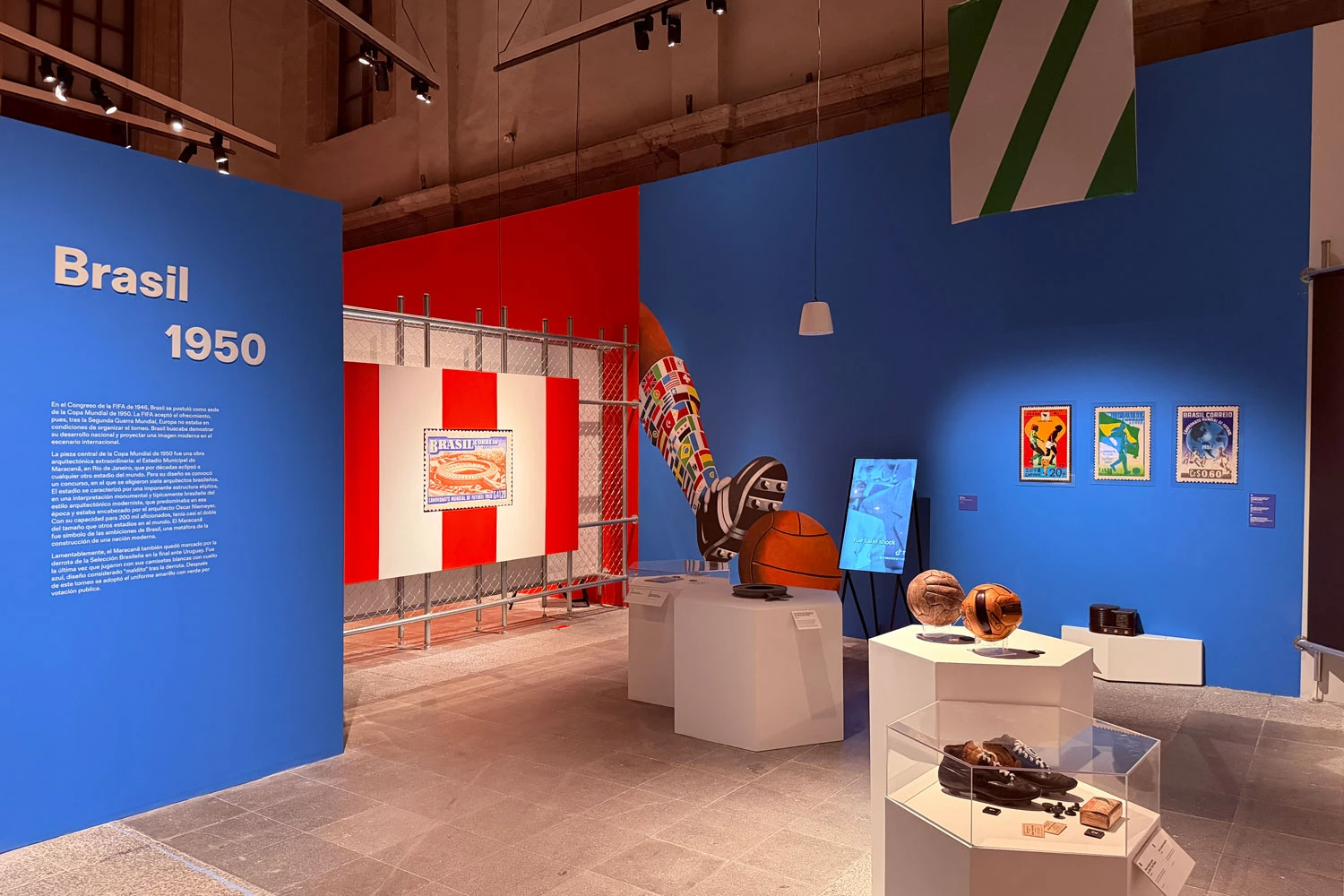
Courtesy of the Franz Mayer Museum.
However, the exhibition is not limited to celebrating the World Cup epic. The tour also highlights persistent tensions surrounding representation, inequality, and the political use of sport. Each object—from a trophy to a stadium ticket—serves as a document of an era and of the cultural disputes that permeated each tournament.
The Franz Mayer exhibition will also serve as the starting point for a broad cultural circuit organized in the lead-up to the 2026 World Cup. Nineteen museums in Mexico City will participate with their own exhibitions, including the National Museum of Anthropology and the Papalote Children's Museum. In addition, fan zones with giant screens will be set up in iconic locations throughout the Mexican capital, in an initiative promoted by FIFA and the Mexican government with the aim of "democratizing football."
In times when the ball seems inseparable from the media spectacle and the global industry, Football: Designing a Passion reminds us that the World Cup can also be read as a history of design, of visual culture and of the societies that found in football a way to narrate themselves.

You may be
interested
...