Exhibitions
Silence Pavilion and Egypt make an impact at the Venice Biennale 2026
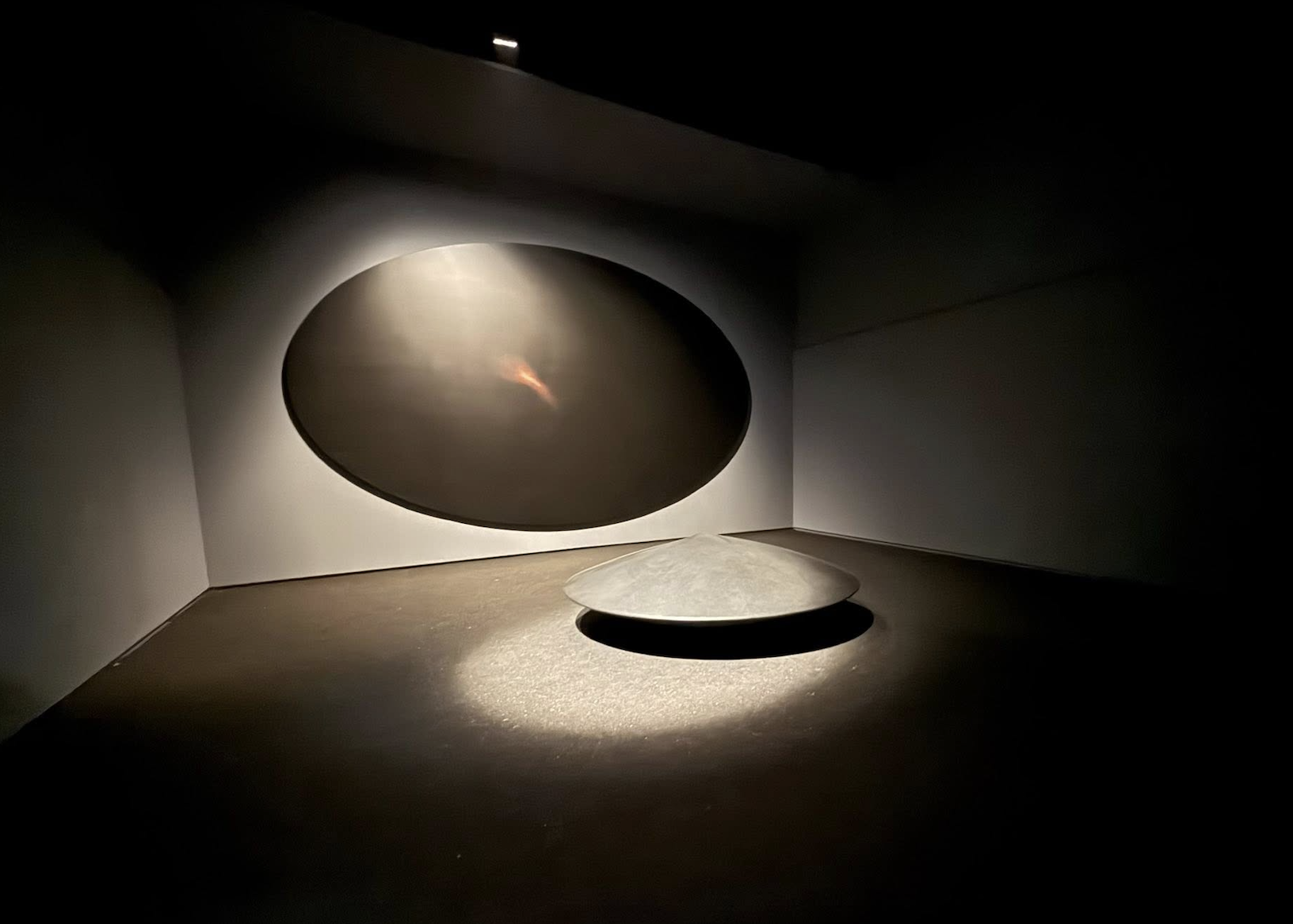
In a Venice Biennale often dominated by visual excess, speed, and immediate impact, the Egyptian Pavilion emerges this 2026 as one of the most intense, profound, and memorable proposals of the entire international exhibition. Far removed from spectacle and image saturation, Silence Pavilion: Between the Tangible and the Intangible , by artist Armen Agop, proposes a radical gesture: to stop, listen, and inhabit silence.
Presented at the 61st Venice Biennale and curated by the Egyptian Ministry of Culture together with the Accademia d'Egitto in Rome, the project transforms the historic Egyptian pavilion in the Giardini into a sensory and meditative environment where the inner experience becomes the true center of the work.
The exhibition, open to the public from May 9 to November 22, 2026, invites visitors to abandon the logic of rapid image consumption and enter a state of contemplation. Here there is no stridency or artifice: there is stone, emptiness, time, and presence.
Born in Cairo in 1969, Armen Agop has spent over three decades developing an artistic practice deeply rooted in introspection, permanence, and spirituality. His sculptures and paintings, influenced by his Egyptian and Armenian heritage, constantly explore the relationship between the physical and the invisible, between matter and consciousness.
Inspired by the desert and an ascetic quest for the essential, Agop reduces forms to their purest state. His works seem suspended outside of time: silent surfaces that contain energy, memory, and breath. More than representing something, his pieces function as material meditations, records of an inner experience.
“Egypt represents one of the most important civilizations, and the Venice Biennale is one of the most important art exhibitions in the world. Being a part of that is one of the greatest honors and responsibilities an artist can have,” Agop said about his participation.
In Silence Pavilion , this philosophy reaches a new dimension. The artist understands silence not as absence, but as active presence; as a form of resistance against contemporary acceleration and the constant noise of the modern world.
The proposal occupies one of the most emblematic historical pavilions in the Giardini. Originally designed by architect Brenno Del Giudice in 1932 and permanently established in 1952, the space holds a strong symbolic weight within the history of the Biennale. However, Agop avoids any obvious monumentality and responds to this historical heritage through reduction and emptiness.
Acting simultaneously as artist and curator, he constructs an immersive journey where sculpture, painting, sound, aroma, and architecture converge into a single sensory experience. The exhibition unfolds across three interconnected rooms that guide the visitor from the intangible to the tangible and, ultimately, to what the artist himself calls “the mystical invisible.”
The experience demands active participation from the viewer. Silence is requested, and taking photographs is discouraged, thus reinforcing the idea of genuine presence in contrast to the contemporary compulsion to document everything. Instead of producing images, the pavilion aims to cultivate awareness.
Within the curatorial framework of In Minor Keys , directed by Koyo Kouoh, the Egyptian Pavilion stands out precisely for its ability to go against the grain. While many proposals appeal to immediate impact, Agop opts for slowness, listening, and expanded perception.


You may be
interested
...