
Exhibitions
The World Cup is also being played out in the art of Mexico City
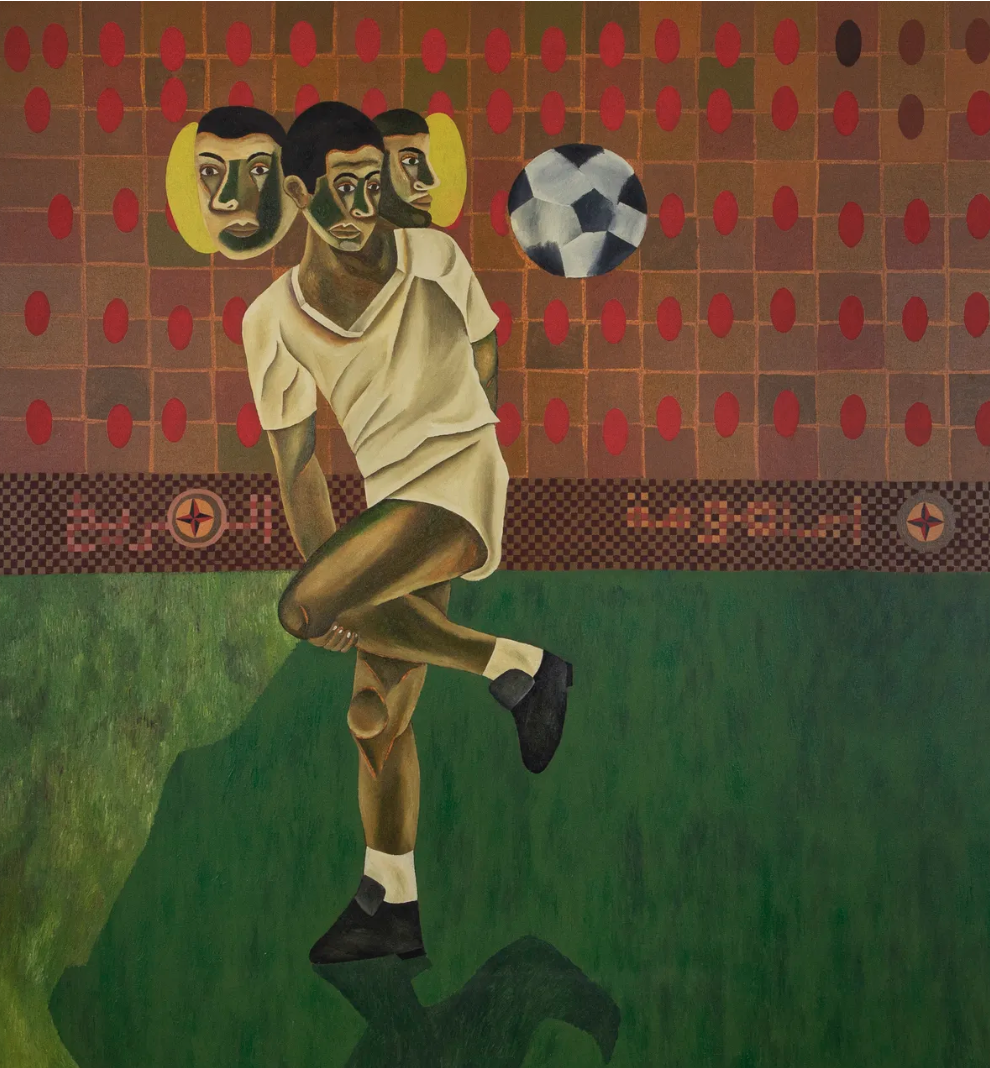
With the arrival of one of the biggest global events of 2026, the FIFA World Cup to be held in Canada, the United States, and Mexico, not only is the sporting world preparing for months of collective excitement, but the cultural world is also buzzing around a phenomenon that for decades has transcended stadiums and become a powerful source of artistic, social, and emotional inspiration.
In this context, various international cultural institutions have begun to explore the link between art and sport from contemporary perspectives. In Mexico City, one of the epicenters of the upcoming World Cup, this conversation takes on special relevance through exhibitions that analyze football as a cultural, aesthetic, and political phenomenon. Among them , "Football and Art: That Same Emotion ," presented at the Jumex Museum , stands out. This exhibition reflects on the collective passion that this sport awakens and its capacity to generate visual and emotional imagery.
At the same time, Mexico City reinforces this artistic perspective with the imminent opening of Once Upon a Field: Group Exhibition at the Mariane Ibrahim Gallery, a collective exhibition that uses the soccer field as a symbolic space to address issues related to identity, community, and contemporary memory. The works on display engage with the idea of the game as an emotional and political territory.
The exhibition Once Upon a Field offers a diverse and contemporary perspective on the world of football through eleven visual narratives created by artists from different geographical backgrounds and with varying sensibilities. From May 30th to August 15th, the Mariane Ibrahim Gallery transforms its space into an environment where sport becomes a starting point for reflecting on identity, memory, the body, and community.
The project brings together works by international artists such as Raphaël Barontini, Amoako Boafo, Omar Victor Diop, Slimen Elkamel, Salah Elmur, Clotilde Jiménez, Ian Micheal, Youssef Nabil, Peter Robinson, Peter Uka, and Abderrahmane Sissako, as well as Abdesslem Ayed. Through painting, photography, installation, and film, the pieces explore football beyond the competition to understand it as an emotional experience and a shared cultural phenomenon.
The exhibition's title itself plays on this symbolic and universal dimension. 'Once' refers both to the number of players on a football team and to the narrative expression "once upon a time," evoking the beginning of a story. This double meaning serves as the guiding thread of an exhibition that presents the playing field as a stage for human stories, collective memories, and the construction of identity.

You may be
interested
...