News
Sculpture, performance and politics: the Turner Prize 2026 redefines its boundaries
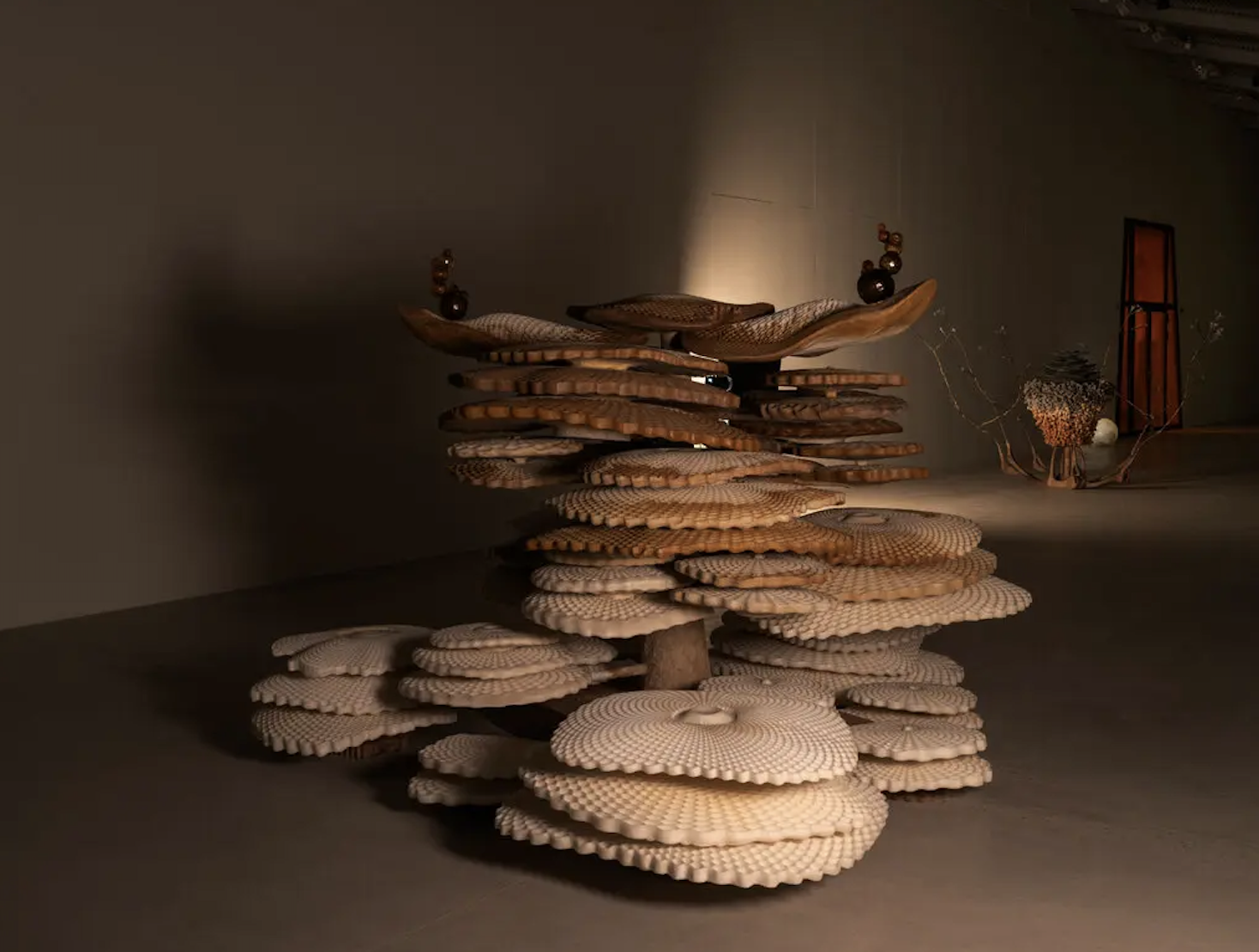
The 42nd edition of the Turner Prize once again places contemporary art in a territory of interdisciplinary intersections, where sculpture coexists with performance, installation, and film. This year's shortlist not only demonstrates a strong sculptural presence but also an expansion of artistic language toward hybrid forms that engage both the emotional and the political.
The shortlisted artists—Simeon Barclay, Kira Freije, Marguerite Humeau, and Tanoa Sasraku—will each receive £10,000, while the winner, whose announcement is scheduled for December 10, will receive an additional £25,000. Their works will be on public display at the Middlesbrough Institute of Modern Art from September 26, 2026, in an exhibition running until March 2027.
In the words of Alex Farquharson, director of Tate Britain and chair of the jury, the selected works offer tools for a better understanding of the world today. This edition of the Turner Prize thus confirms its role as a key platform for artistic practices that challenge conventions and push the boundaries of the contemporary.
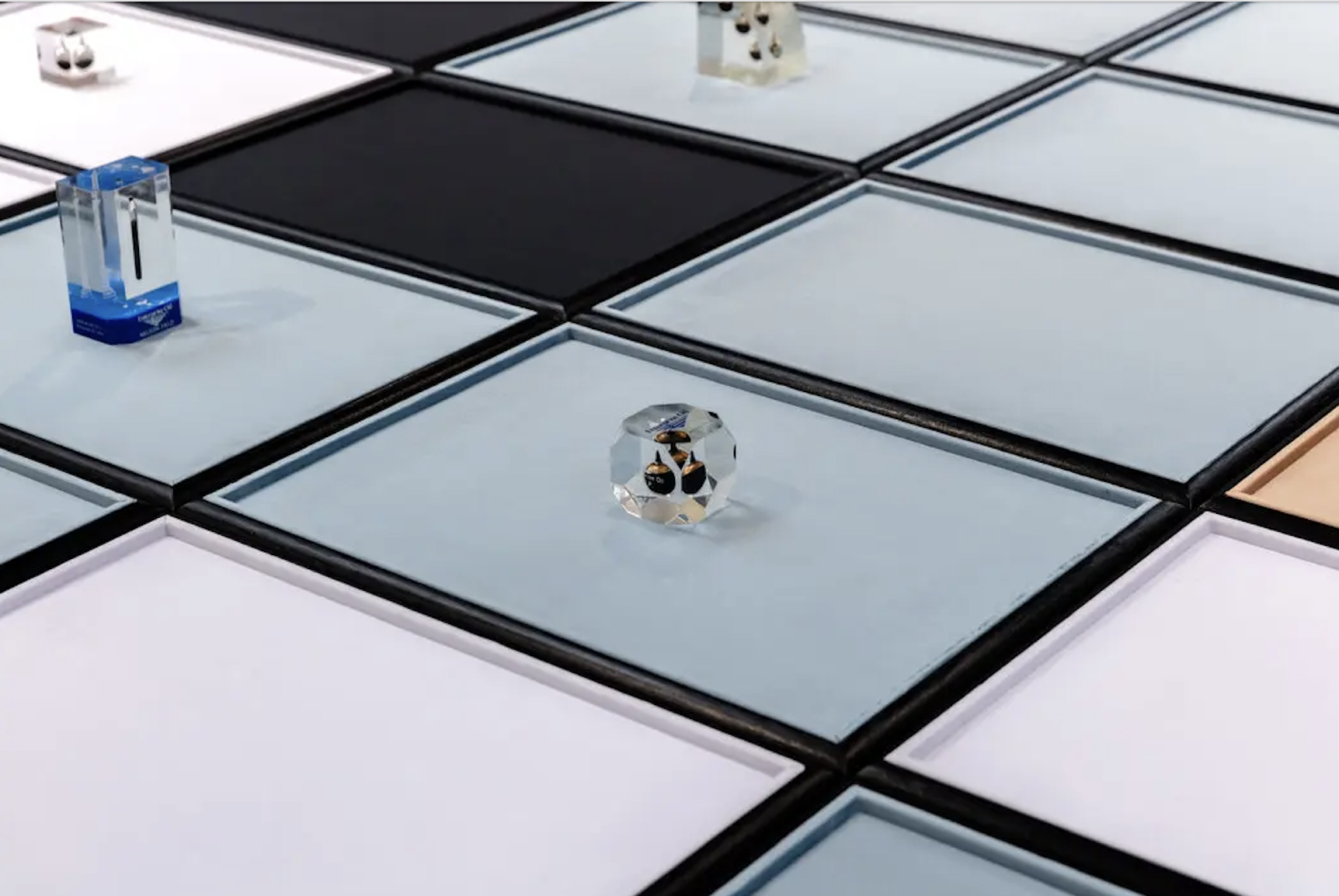
Work by Tanoa Sasraku.
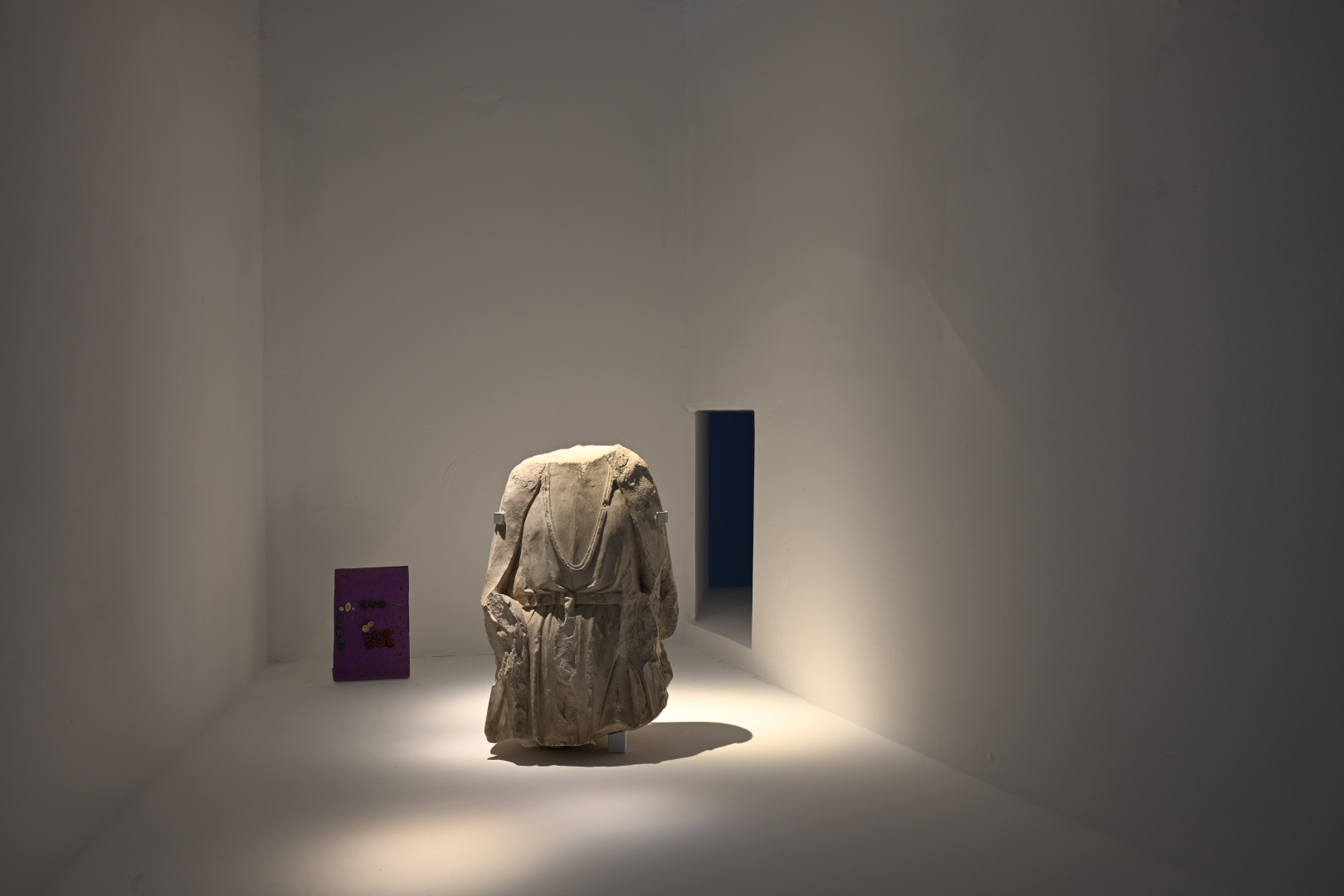
Among the most noteworthy proposals is that of Kira Freije, selected for her first major solo exhibition, Unspeak the Chorus , at The Hepworth Wakefield. Her work features life-size figures constructed from metal, fabrics, and found materials, creating an atmosphere that is both unsettling and poetic. The jury highlighted the emotional intensity of her sculptural language and the way she transforms space into an almost theatrical experience.
Simeon Barclay, for his part, brings a more autobiographical dimension to The Ruin , a spoken word performance that connects his personal history with the industrial landscape of northern England. Presented in venues such as the Institute of Contemporary Arts, the work articulates memory, identity, and territory through an oral narrative charged with social resonance.
Marguerite Humeau's work moves between science, fiction, and speculation. Her exhibition Torches , shown at the Arken Museum of Contemporary Art, proposes an immersive universe where sculptures, light, and sound explore the origins of life and possible futures. The result is a sensory experience that the jury described as profoundly cinematic.
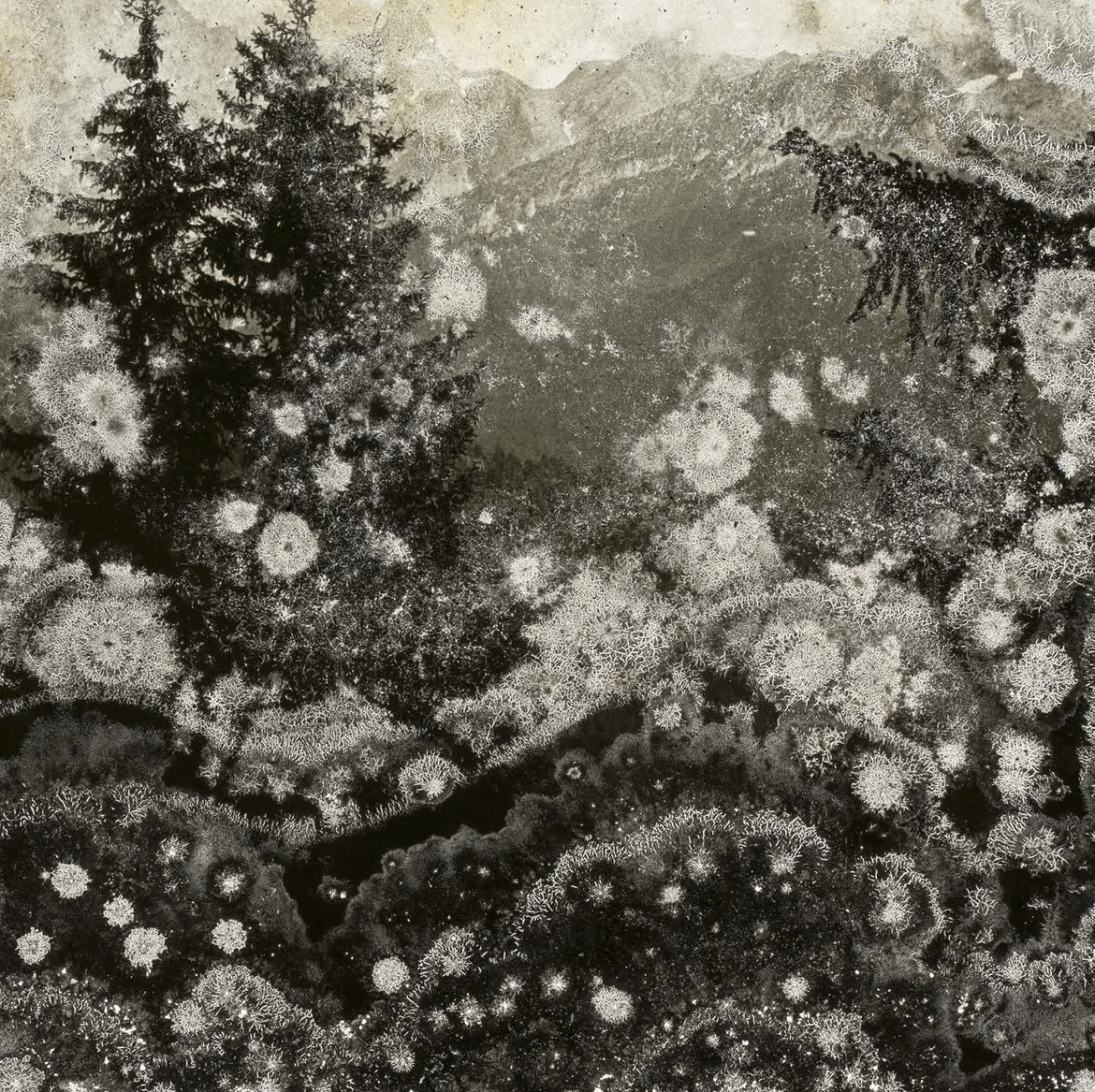
Finally, Tanoa Sasraku offers a critical reading of the present with Morale Patch , an installation also exhibited at the Institute of Contemporary Arts. Her work examines the geopolitical dynamics of oil using visual codes from the corporate world, constructing an incisive reflection on power, economics, and contemporary conflict.

You may be
interested
...