Exhibitions
An invisible tunnel between museums: energy as a shared experience
Michael Kleine transforms Space 13 at the Miró Foundation into a choreography of presences, time and perception.
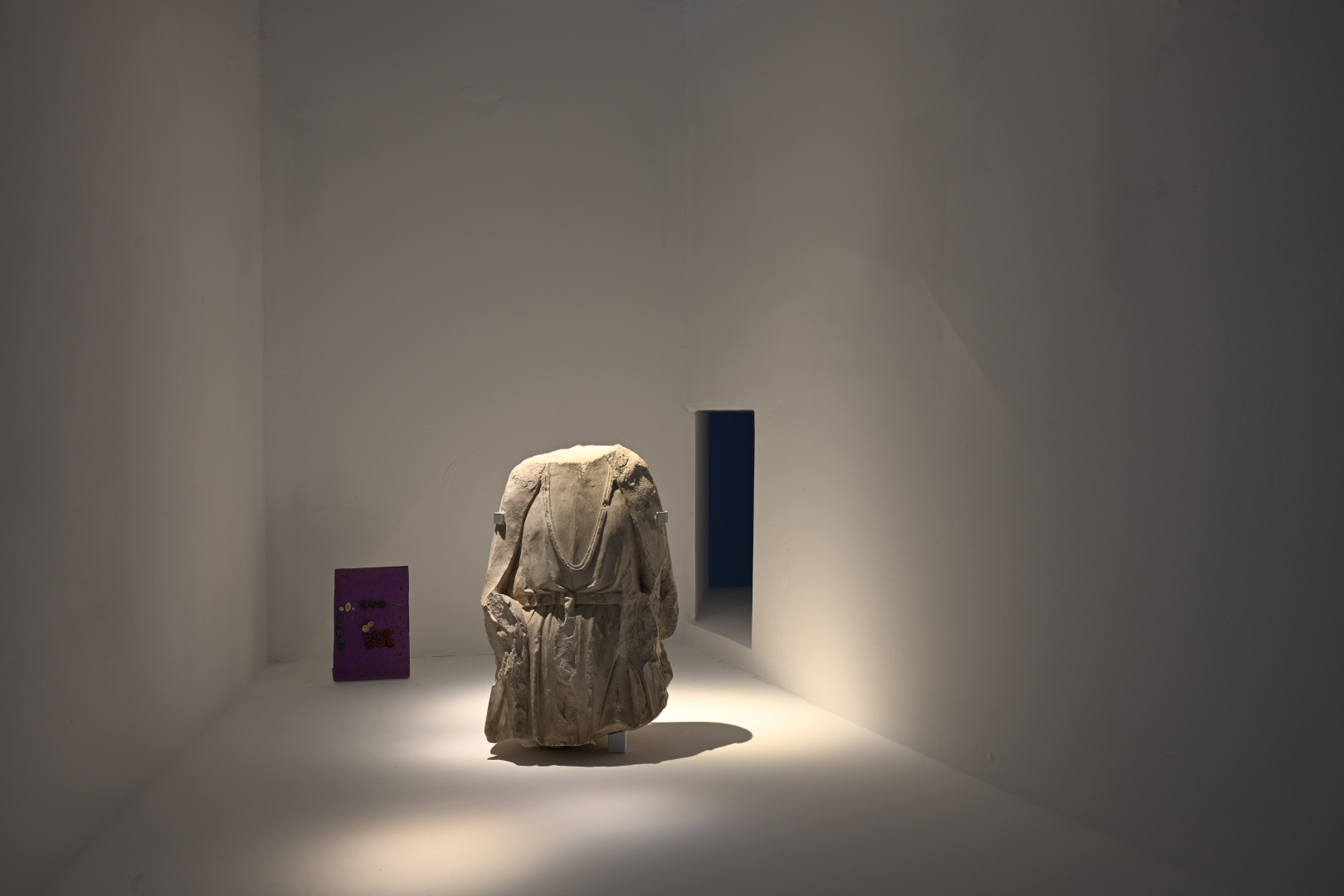
Espai 13, at the Miró Foundation, creates the second chapter of the cycle curated by Alejandro Alonso Díaz and does so with a proposal that goes beyond the usual limits of the exhibition. At the Joan Miró Foundation, the German artist Michael Kleine presents Espai 13 Sala 14 Cripta , a project that investigates the spiritual dimensions of energy through space, time and the relationship between institutions.
This new exhibition, within the cycle from 6:12 p.m. to 5:48 p.m. , is not limited to a specific room, but expands into a physical and conceptual journey. In collaboration with the Frederic Marès Museum and the Center for Liberal Arts of the Fundació Joan Brossa, the project connects different spaces in the city through a subtle dramaturgy that relocates objects, alters structures and modulates perceptions.
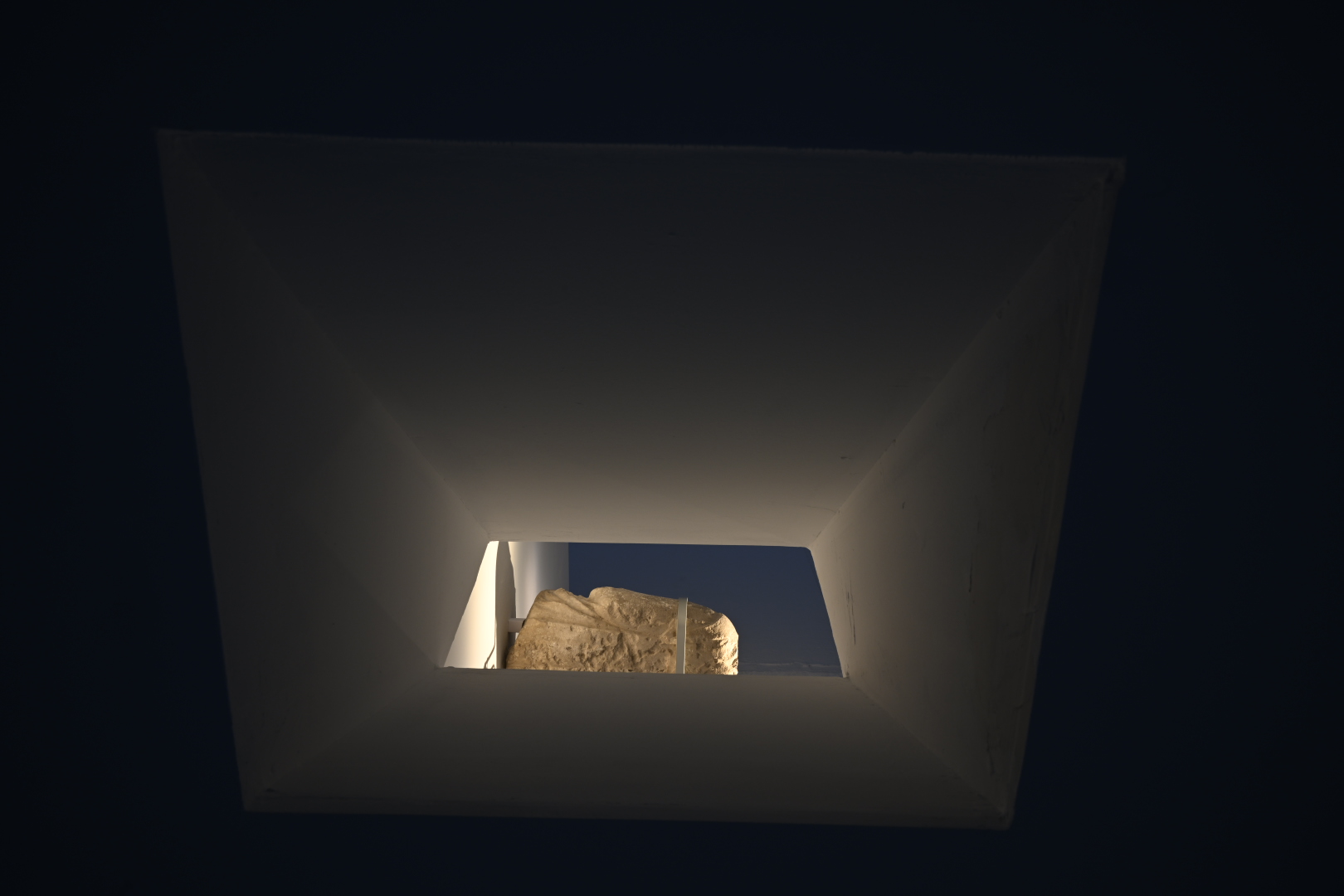
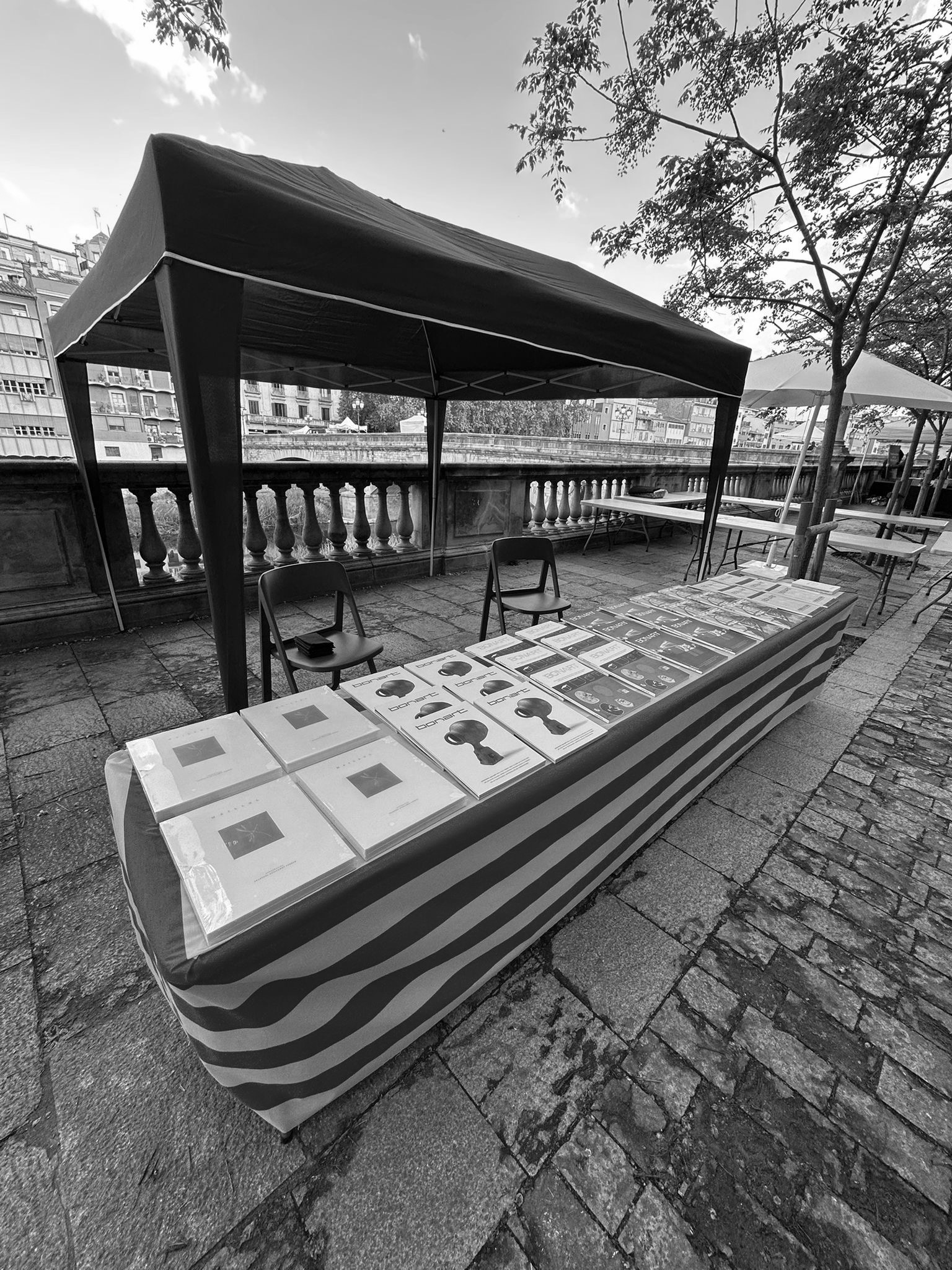
Far from a static arrangement, Kleine works with objects from the collections of the Frederic Marès Museum, placing them in new contexts to explore how factors such as light, acoustics or emptiness influence their presence. This seemingly simple gesture becomes a tool to rethink the relationship between object, space and viewer.
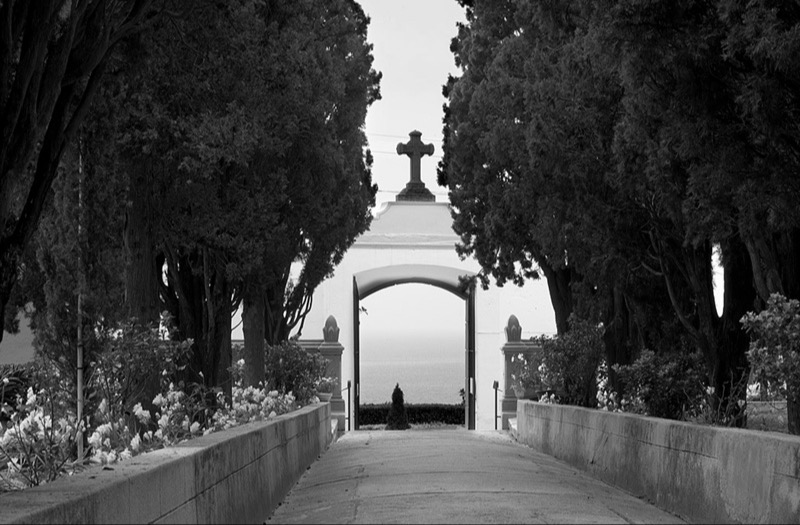
The interventions do not stop at Space 13. They also occupy room 14 and the crypt of the Frederic Marès Museum, in dialogue with the cycle Digues, cosa. Joan Brossa i els poemes objete , curated by Marc Navarro. This extension reinforces the idea of a project that unfolds in layers, crossing institutions and temporalities.
Kleine defines his proposal as an “invisible tunnel” that connects the Fundació Joan Miró and the Museu Frederic Marès. It is not only a physical journey, but also a psychological experience: the time needed to travel through it is an essential part of the work.
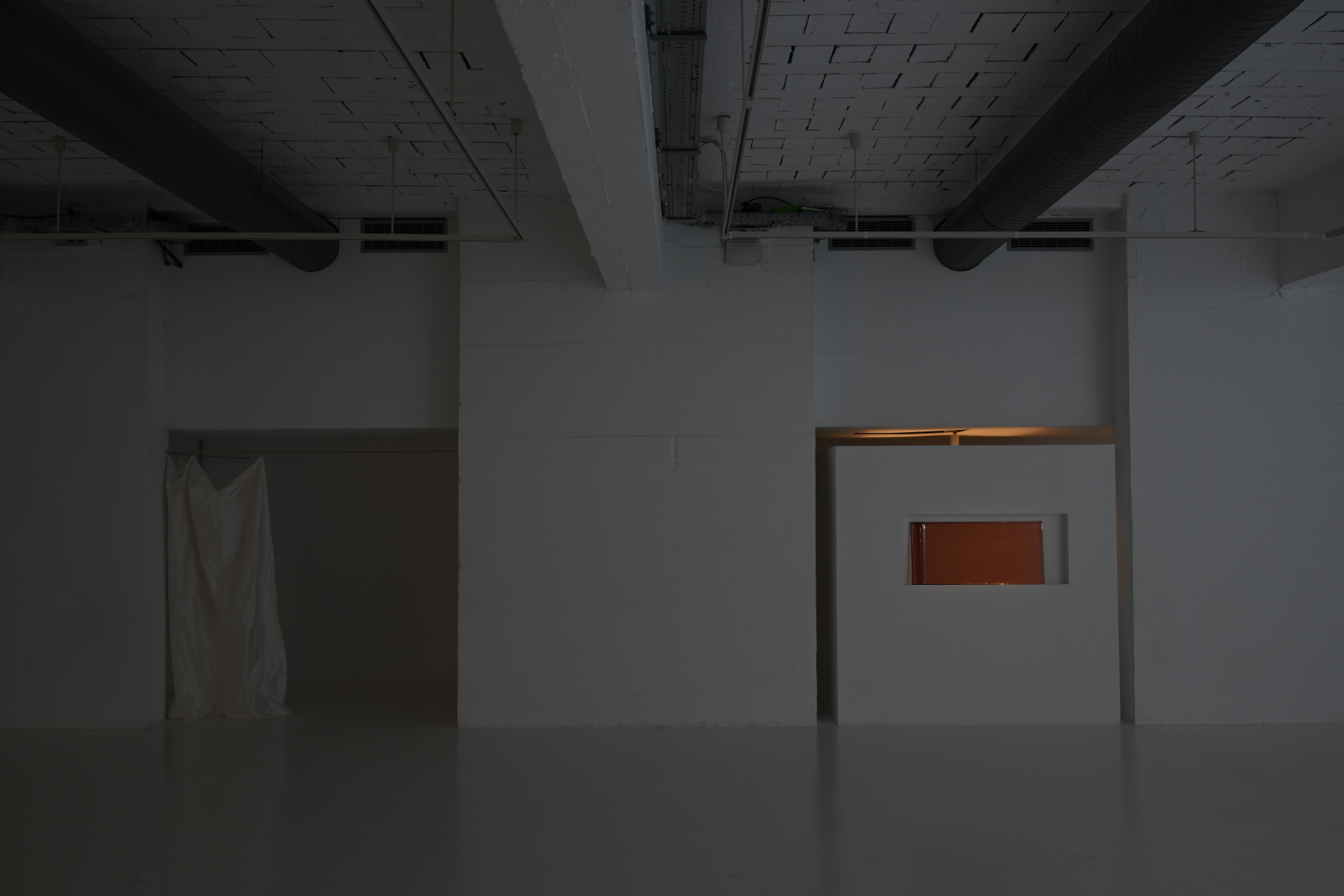
With a career linked to music, theatre and opera, the artist incorporates duration, waiting and rhythm as creative materials. The exhibition space thus becomes a kind of stage where the visitor is invited to inhabit time in a different way.
In Espai 13 Sala 14 Cripta , every decision—from the arrangement of objects to the modulation of light or movement—responds to a clear will: to generate a specific energy that allows for an open and personal experience. Kleine constructs an environment that welcomes the visitor's perception. “It takes many hours of work to create a void,” says the artist, claiming space as a place of possibility.
You may be
interested
...