Exhibitions
Antoni Campañà: the recovery of an unpublished photographic legacy at the Sant Cugat Museum
The rediscovery of hidden memory with Campañà's unpublished archive that transforms the view of the Civil War and Sant Cugat.
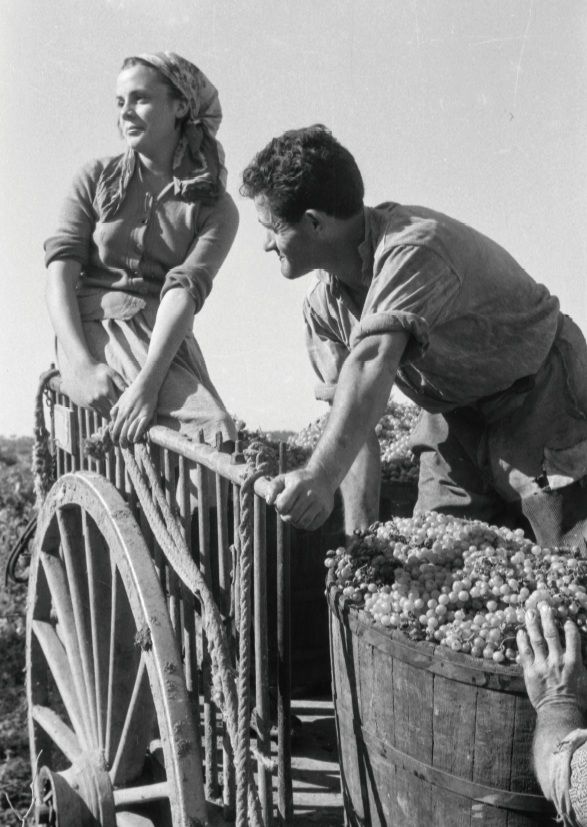
The exhibition La Capsa Vermella d'Antoni Campañà. Fotos de guerra, art i Sant Cugat , installed at the Museu de Sant Cugat, constitutes a documentary and artistic review of the career of one of the most relevant Catalan photographers of the 20th century. The project has its origins in the discovery in 2018 of thousands of negatives that the author had hidden in two red boxes in the attic of his residence in Sant Cugat del Vallès. This material, which remained unpublished for eight decades, offers a visual chronicle of the period between 1936 and 1939, providing new perspectives on the Civil War in Catalonia.
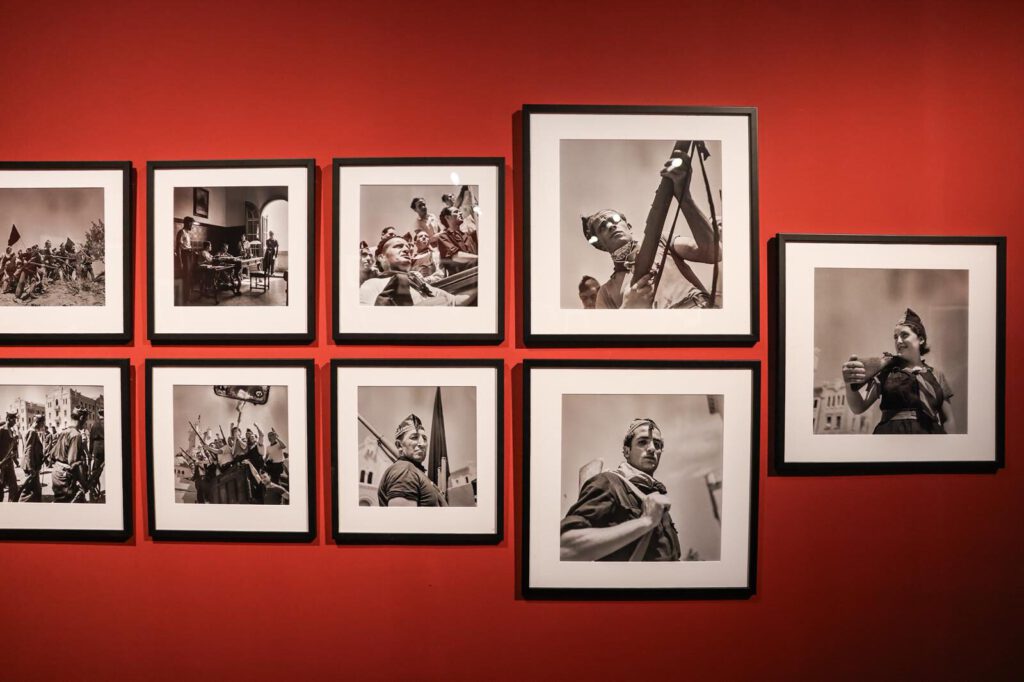
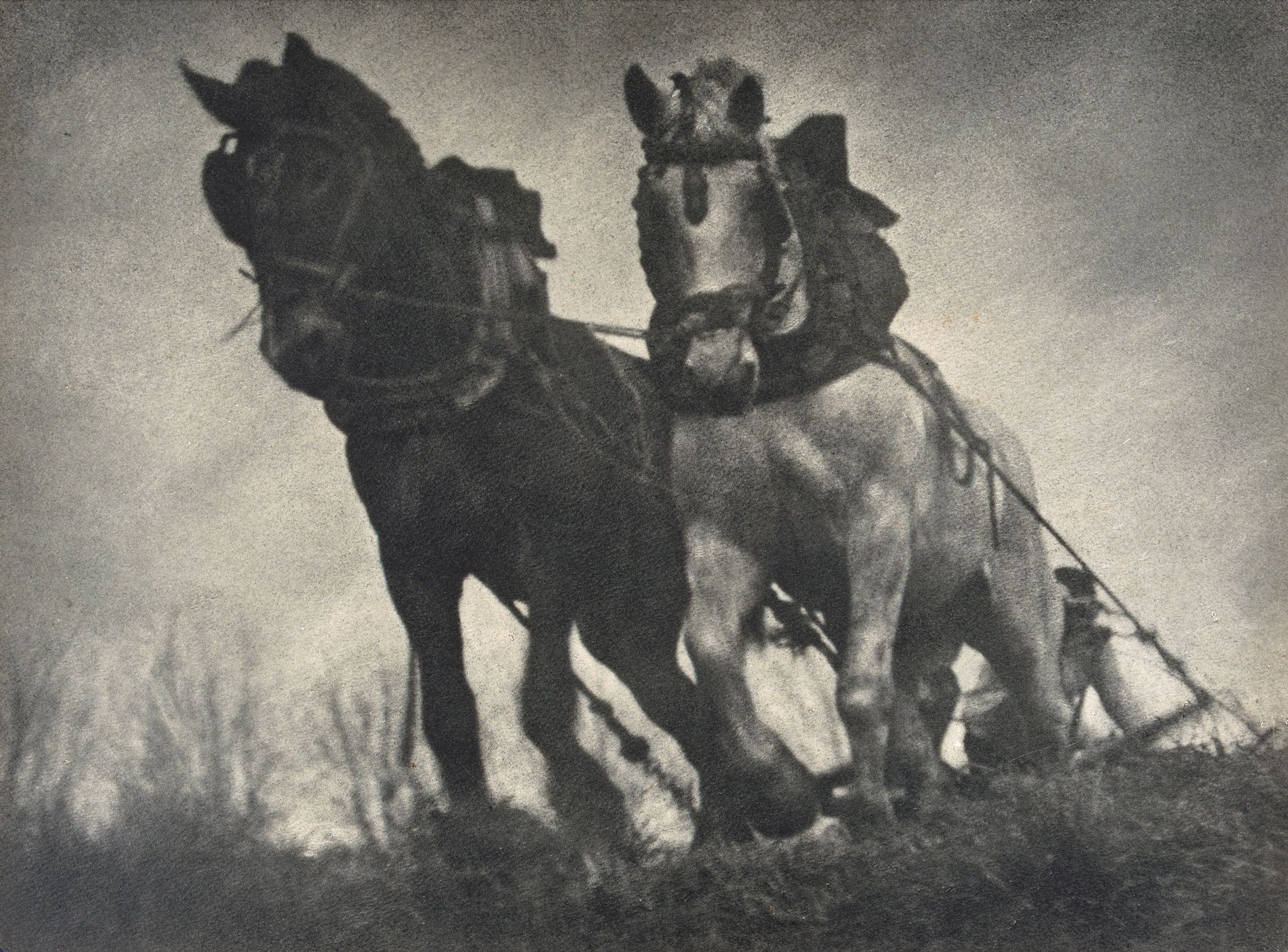
The exhibition is structured in such a way that it allows us to analyse Campañà's technical and conceptual evolution. Part of the exhibition focuses on the work produced during the pre-war period, a period in which the photographer became a reference for pictorialism and pigmentary techniques such as bromoli. These works show an interest in academic composition and the use of light as a narrative tool. The contrast comes with the block dedicated to war production, where Campañà documents everything from the barricades and militias to life in the rear and the entry of Francoist troops into Barcelona. The photographer, integrated into the propaganda services of the Generalitat, captured the reality of the conflict without the restrictions of trench photojournalism, focusing on the civilian suffering and social transformations of the time.
Finally, the exhibition dedicates a space to Campañà's connection with the municipality of Sant Cugat. The photographs in this area capture the evolution of the town's urban and rural landscape, as well as scenes of daily and family life from the mid-1920s to the 1970s. This documentary collection allows us to reconstruct the visual memory of a growing population through a professional perspective rooted in the territory. The exhibition initiative thus integrates the recovery of historical memory with the analysis of a visual legacy that transcends the author's own biography to become collective heritage.

You may be
interested
...