News
Three Spanish looks conquer the World Press Photo 2026
From the fire in Galicia to the protests in Madagascar: photojournalism as a witness to the great global challenges.
Spanish documentary photography is experiencing a moment of special international recognition. Photographers Brais Lorenzo, Luis Tato and Diego Ibarra Sánchez have been awarded at the prestigious World Press Photo 2026, consolidating three careers that share a committed view of contemporary reality.
This new edition of the competition, considered the most relevant in the field of world photojournalism, will return to Barcelona with the help of the Photographic Social Vision Foundation. For the twenty-second consecutive year, the Centre de Cultura Contemporània de Barcelona (CCCB) will host the official exhibition, which can be visited from November 6 to December 13, with the main support of the Banc Sabadell Foundation.
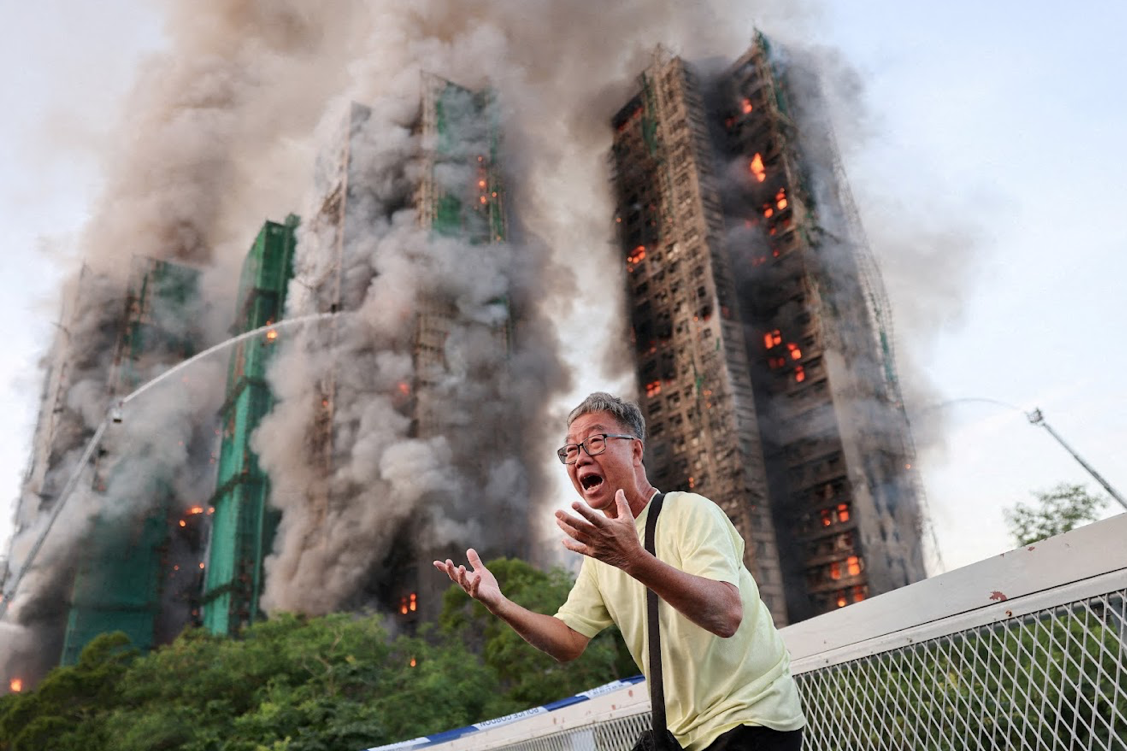
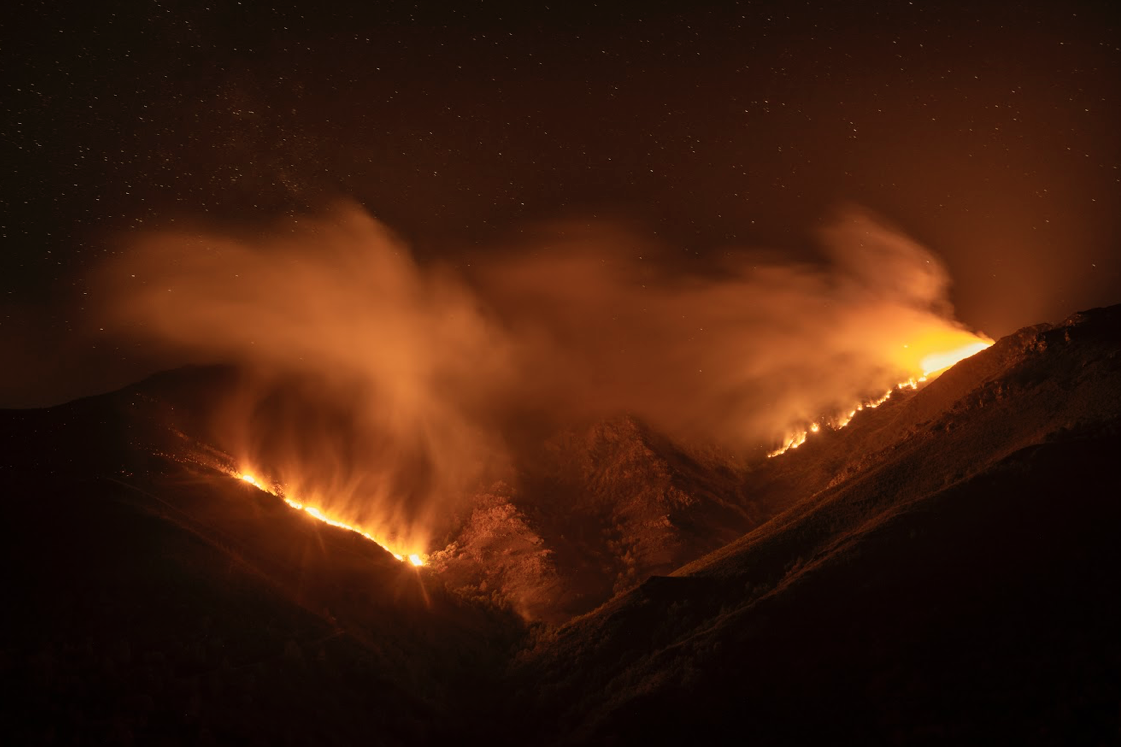
The award-winning works of the three Spanish authors draw a visual map of the great conflicts and tensions of the present. Brais Lorenzo, originally from Ourense, has been recognized in the European Graphic Reportage category for Terra cermada, a project that documents the devastation of forest fires in Galicia. His images portray a devastated landscape after a season that burned more than 200,000 hectares, the worst in decades in Spain.
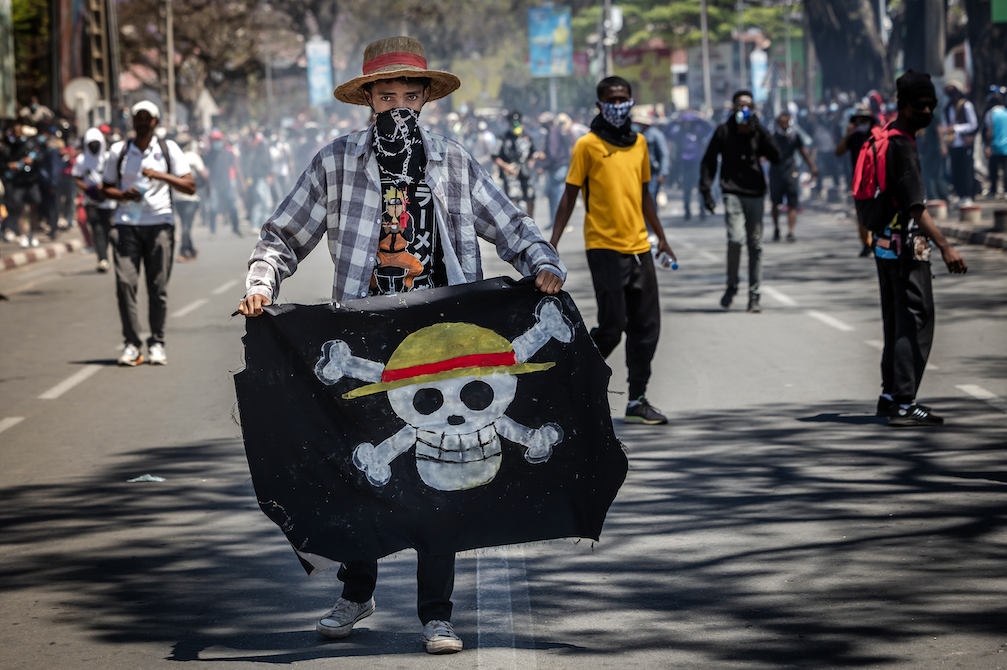
Meanwhile, Luis Tato won the prize in the African category with The Protests of Generation Z in Madagascar. His work delves into the mobilization of students who denounce the precariousness of public services, corruption and economic difficulties, capturing the tension and energy of a youth demanding change.
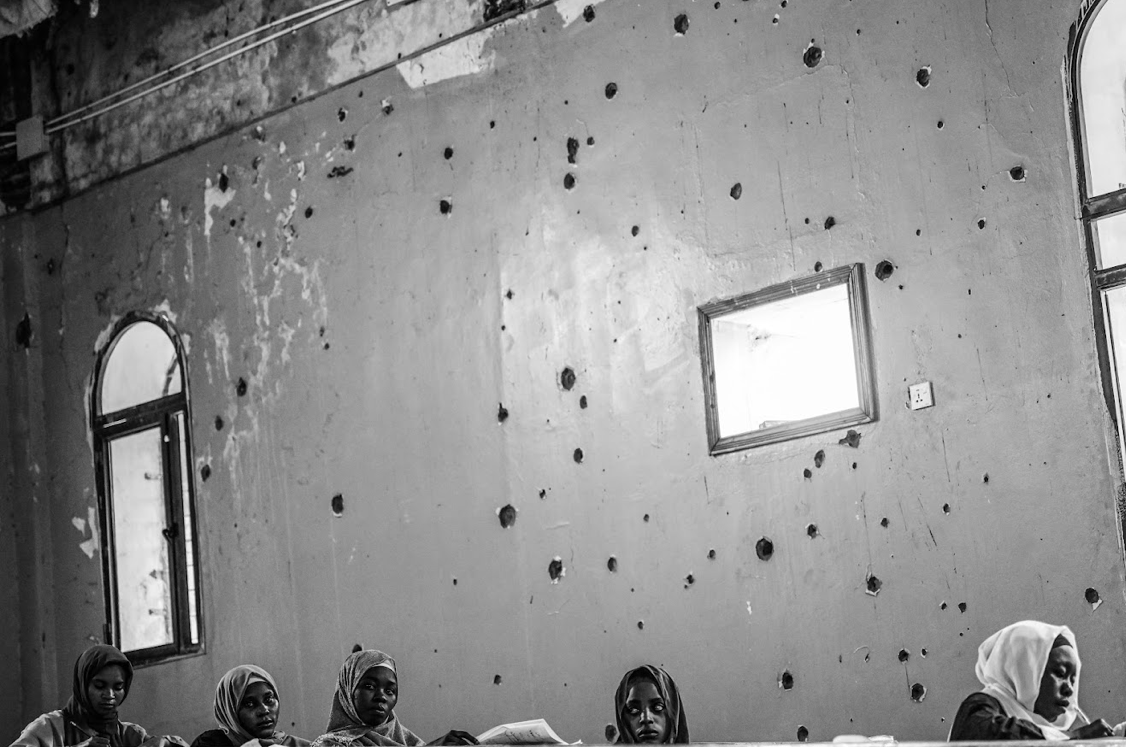
The third recognition went to Diego Ibarra Sánchez, who stood out in the Long-Term Projects category in West, Central and South Asia with A Kidnapped Education. The project travels through nine countries to show how armed conflicts deprive millions of children of their fundamental right to education, becoming a striking testimony to the invisible consequences of war.
Beyond the individual awards, this edition of the World Press Photo puts the spotlight on some of the greatest global challenges: the climate crisis, armed conflicts, migrations and struggles for social rights. The selected stories cross continents —from Los Angeles to the Philippines, via Mexico and Norway— and highlight both the fragility of today's world and the capacity for collective resistance.
In this sense, the images also underline the role of civic action, with scenes of protests in the United States or social movements led by women in countries such as Guatemala and Kenya. Once again, photojournalism is claimed not only as a documentation tool, but as an essential language for understanding our time.

You may be
interested
...