Exhibitions
Cristóbal Ortega and painting traversed between matter, time and 'souls' in transformation
At the Miguel Marcos Gallery, 'Almas' explores a painting that overflows the canvas and dialogues to question the limits of perception.
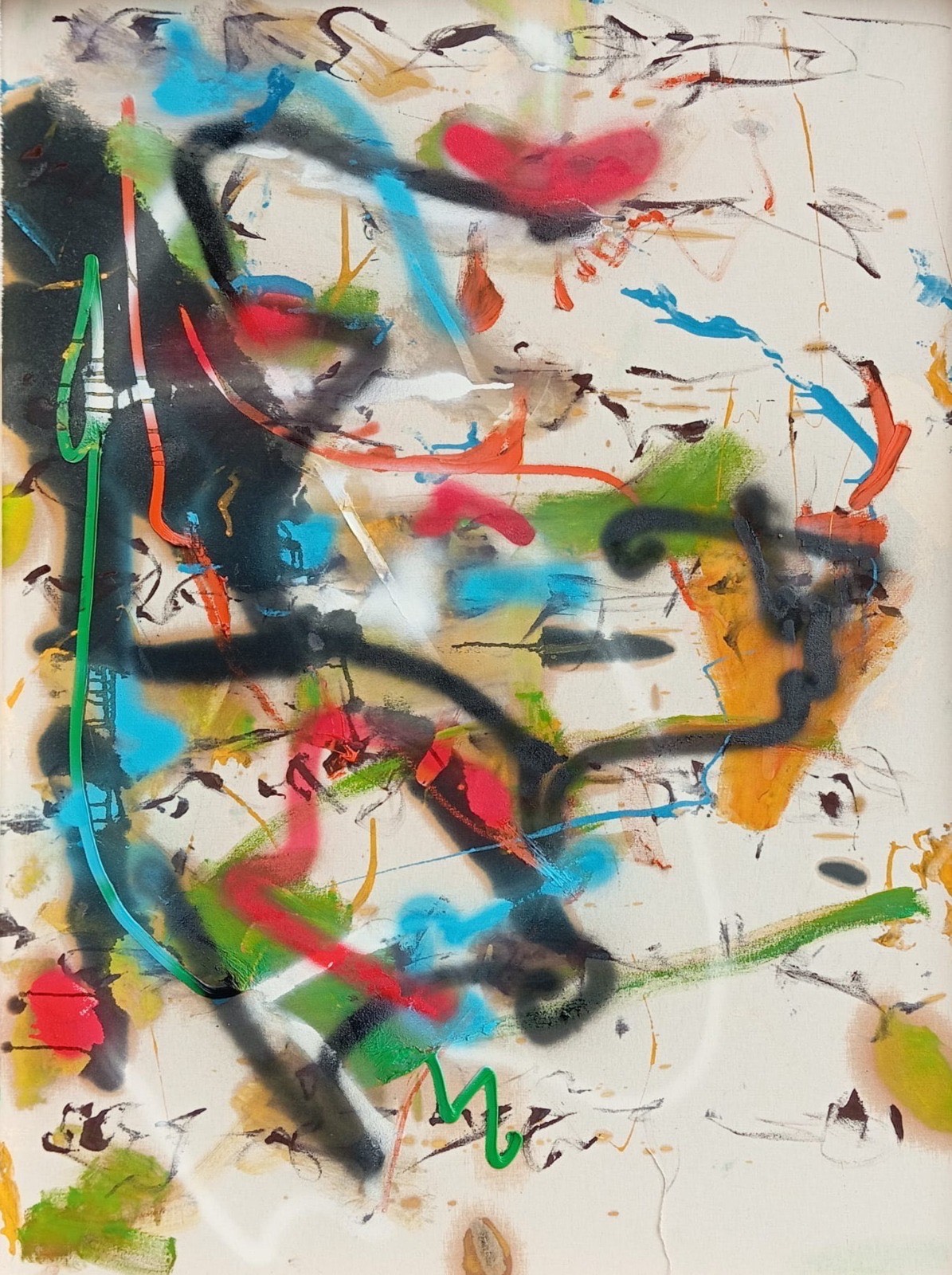
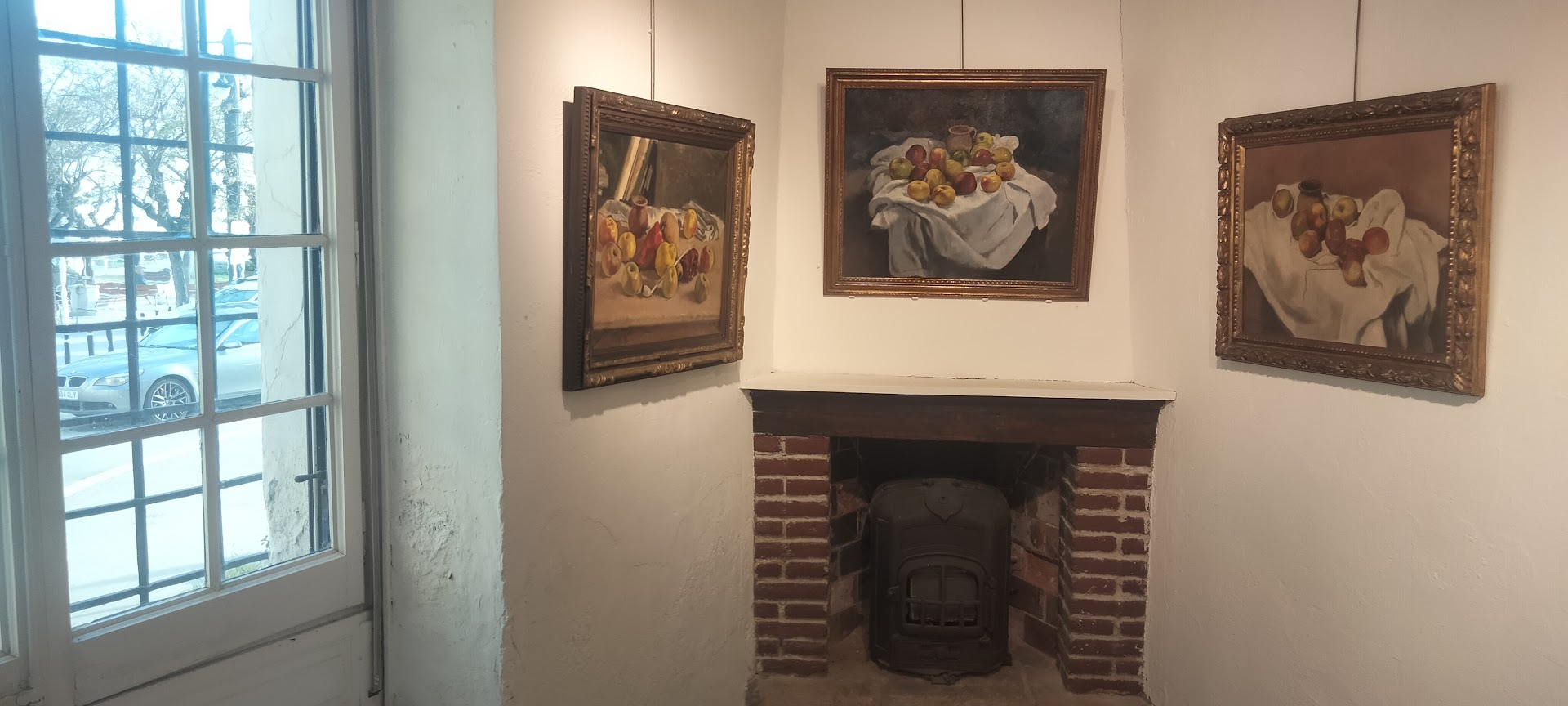
Cristóbal Ortega presents the exhibition Almas at the Galeria Miguel Marcos gallery, a project that can be visited until April 30 and that clearly synthesizes one of the most unique lines of his recent career. Far from being a simple gathering of works, the exhibition functions as a conceptual and material journey around a persistent idea in his practice: painting as a traversed body, as a space of transit.
Ortega works simultaneously on the front and back of the canvas, forcing the pictorial matter to pass through it. This gesture—both physical and symbolic—gives rise to what the artist calls “souls”: presences that emerge from the very tension of the support and that question the surface as a limit. This line of work dates back to 2011, during his stay in Songzhuang (Beijing), shortly after his contact with the Chinese artistic context following an exhibition at the Instituto Cervantes in 2009. Since then, his research has delved deeper into this idea of permeability, both material and perceptual.
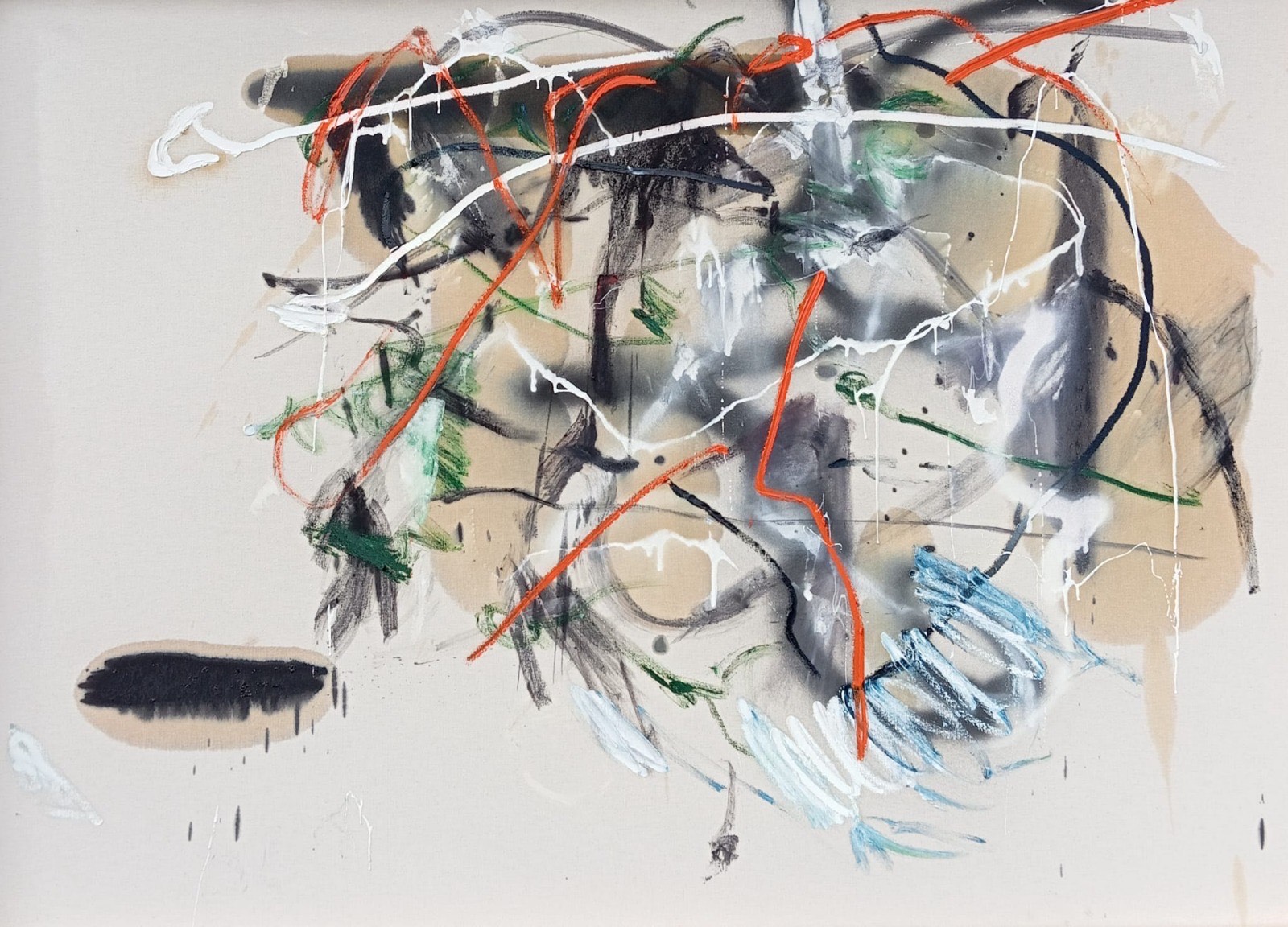
Cristóbal Ortega, Alma Schopenhauer, 2025.
Ortega's pictorial practice approaches an almost architectural conception of the work. Each piece is constructed as a system in unstable equilibrium, where matter, gesture and time act as structuring forces. However, this apparent structure is constantly overwhelmed by chance and indeterminacy. The artist rejects any technical rigidity and embraces the unpredictable, allowing the painting to evolve like a living organism.
One of the most outstanding aspects is the behavior of the oil on the canvas: its filtration generates accumulations, glazes and transparencies that blur the border between surface and depth. The colors do not limit themselves to occupying space, but are intertwined in a play of tensions and harmonies that activates the viewer's gaze. In this dialogue of opposites —control and accident, opacity and transparency, structure and dissolution— lies one of the conceptual cores of his work.
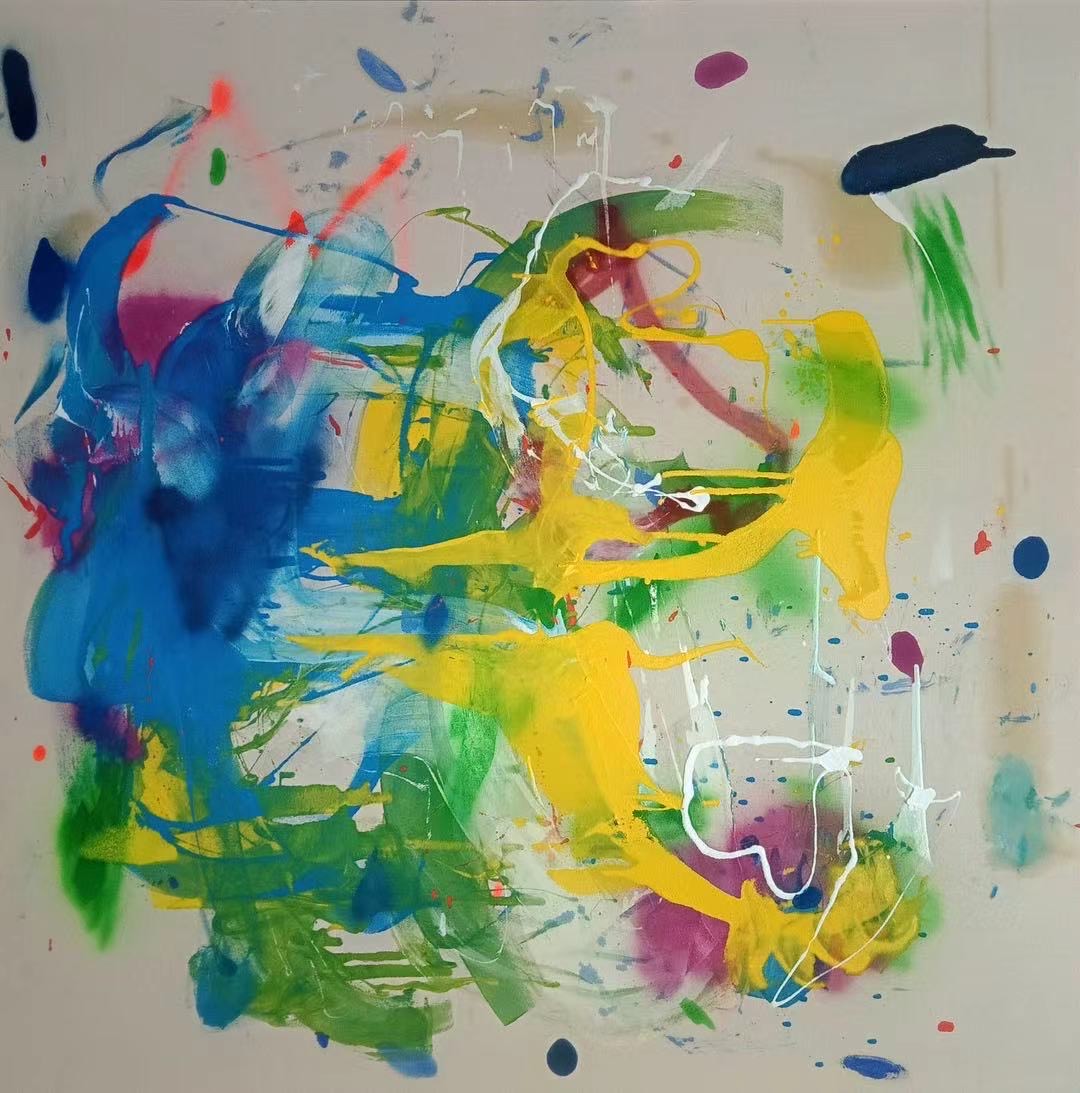
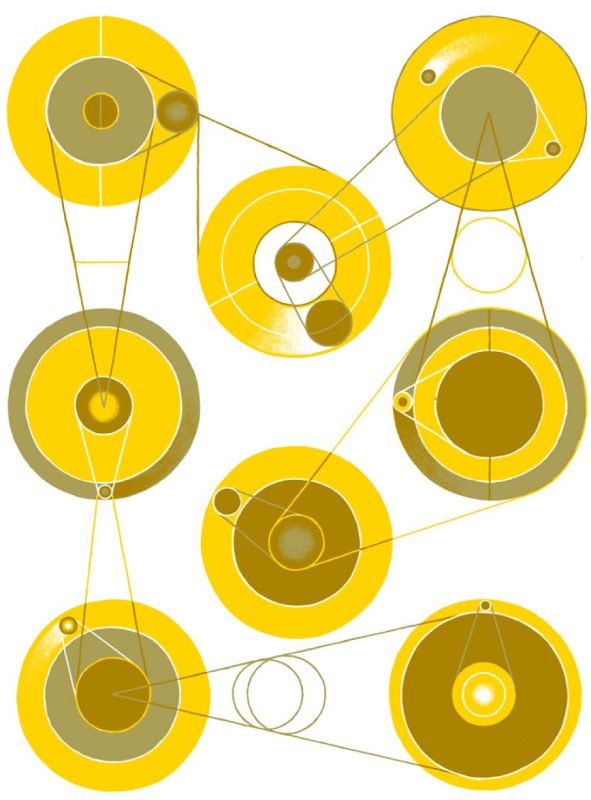
Cristóbal Ortega, Sudoración everglades, 2022.
Almas focuses precisely on this latent dimension of painting. The works on display allow this “soul” to manifest itself more clearly, in a process that is not only visual but also tactile and almost phenomenological. In this sense, Ortega's work establishes a suggestive parallel with Tlön, Uqbar, Orbis Tertius by Jorge Luis Borges, where reality is constructed from perception and forms are constantly redefined.



You may be
interested
...