
Exhibitions
Lalique, beauty in art nouveau and art deco
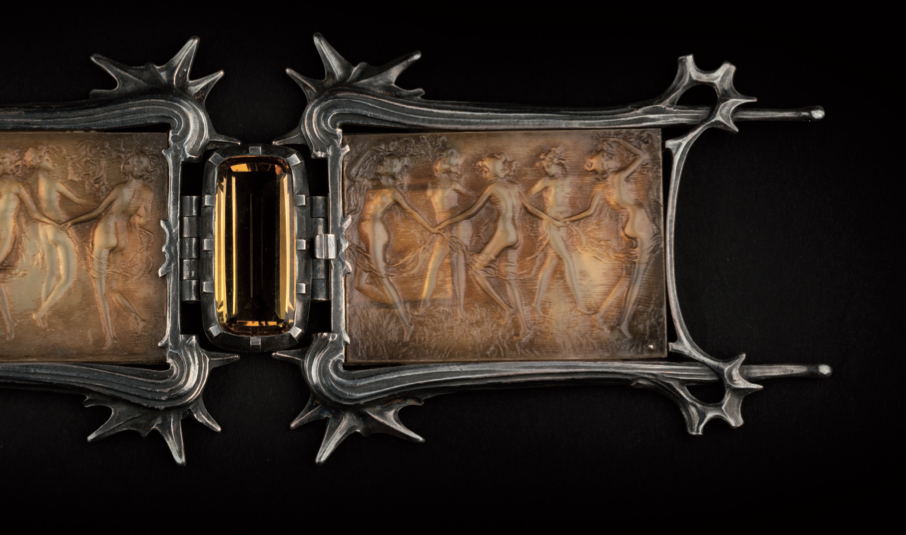
Organized by the Barrié Foundation and the Musée Lalique (Wingen-sur-Moder, France), in collaboration with the Museu Calouste Gulbenkian (Lisbon, Portugal), A Coruña will host the largest exhibition to date in Spain on the work of René-Jules Lalique (Aÿ-Champagne, 1860 - Paris, 1945), a master of both styles, from March 26 to July 12. Lalique redefined the relationship between art, craft, and design. He embodied two successive artistic lives and was a leading figure in both. For his originality, talent, and capacity for innovation, Émile Gallé, another giant of Art Nouveau, considered him "the inventor of modern jewelry." The exhibition will delve into his multifaceted career, his fertile imagination and exquisite technical savoir-faire, his original naturalistic aesthetic, and his veneration for the female form.
Curated by Véronique Brumm, director of the Musée Lalique, the exhibition will present 300 pieces, primarily from his goldsmithing work, crafted with then-unheard-of materials—ivory, horn, semiprecious stones, enamels, and, of course, glass—including brooches, necklaces, diadems, eyeglasses, and buckles. Mirrors, textiles, and drawings from both museums and private collections will also be on display. Frames, wall sconces, and mirrors will illuminate the master's creative process, from his brief apprenticeship in Louis Aucoc's workshop in 1876, through his time in England honing his drawing skills, to his professional debut in 1882 and his pristine designs for the leading jewelry houses of the era.
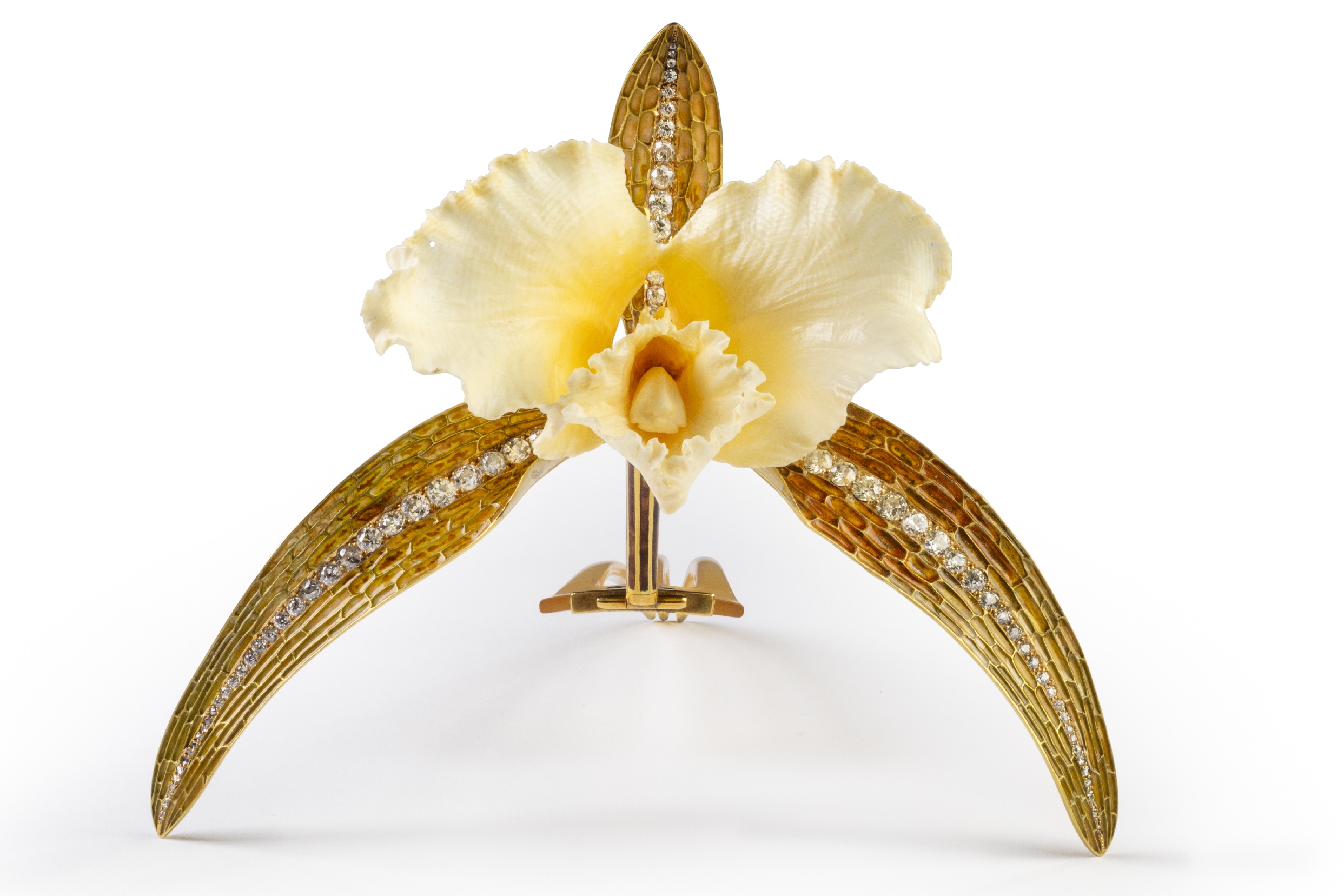
At the height of his career as a goldsmith, Lalique gradually shifted his focus to glass; in fact, his first designs appeared in 1890. After participating in the 1900 Universal Exposition, he opened his first shop in the Place Vendôme. His meeting with François Coty, the visionary perfumer, in 1907 was a turning point; shortly afterward, he opened his factory in Combs-la-Ville and registered his first patent. True to his eclectic style, he designed radiator covers for cars, decorated the Côte-d'Azur-Pullman Express train (1929), and contributed to the ornamentation of the SS Normandie ocean liner (1935).
With this exhibition, the Barrié Foundation continues its commitment to design, following the line of previous monographic exhibitions on Verner Panton, Mies van der Rohe or the Campana brothers, as well as collective exhibitions on Scandinavian or Dutch design, textiles or the history of footwear.
You may be
interested
...