Exhibitions
Stars looking at stars
An introspective journey through the cosmos by Marina Núñez at the RocioSantaCruz gallery.
If it is true that human beings have always felt a strange attraction to the unknown, to the distant, the cosmos represents the great enigma of enigmas. Both from a scientific point of view, as well as a poetic one, or out of mere curiosity, human beings look to the firmament. In search of what; this is, paradoxically, increasingly ambiguous.
Cosmologist and science communicator Carl Sagan was the one who said that “we are stardust reflecting on the stars.” According to Sagan, the cosmos is also within us because we are made of the same substance as the stars.
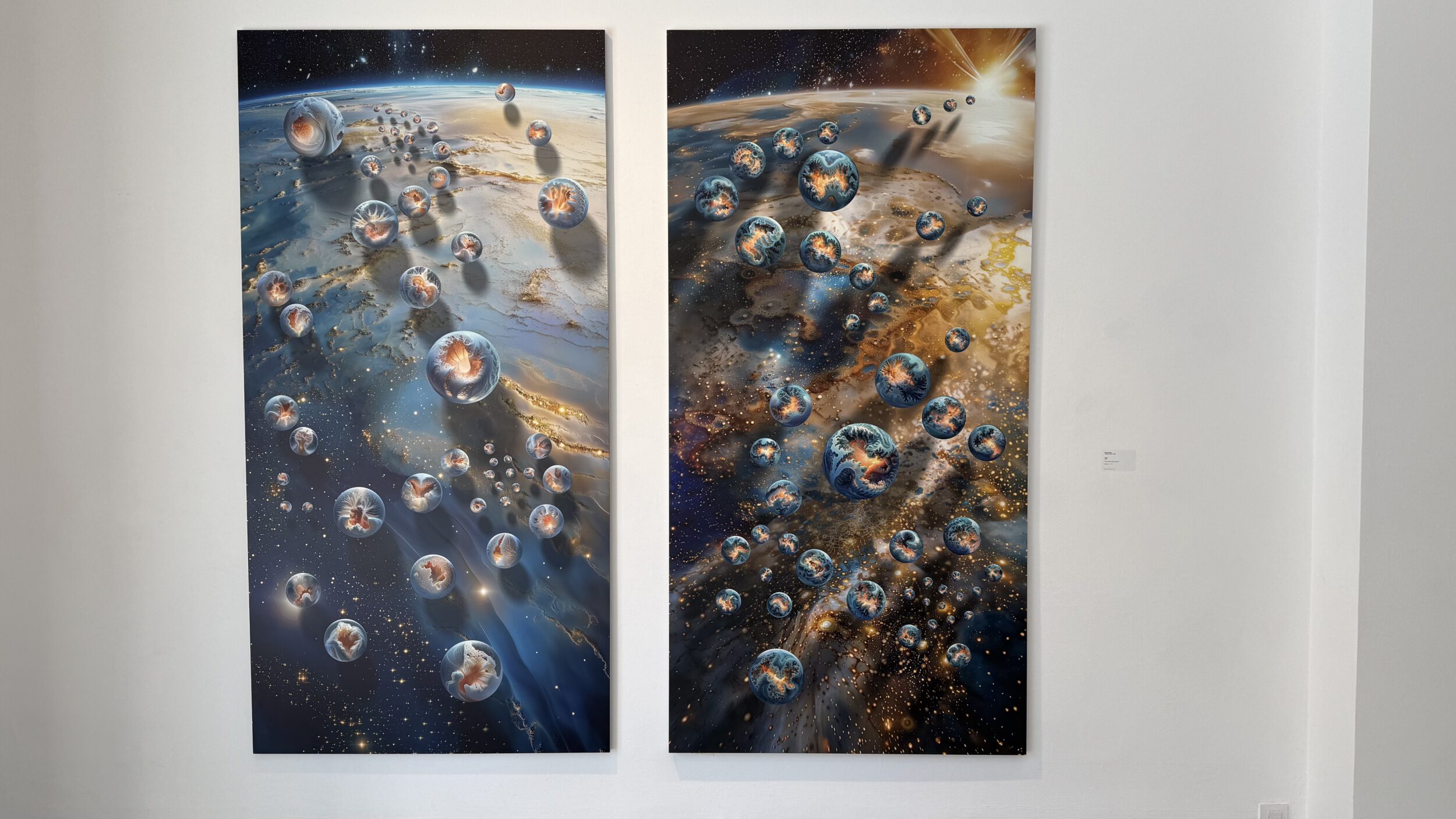
Almost fifty years later, the artist Marina Núñez (Palència, 1966) recovers this sentence to explore its aspects through her new proposal: Polvo de estrellas , presented by the RocíoSantaCruz gallery (Barcelona) until May 2.
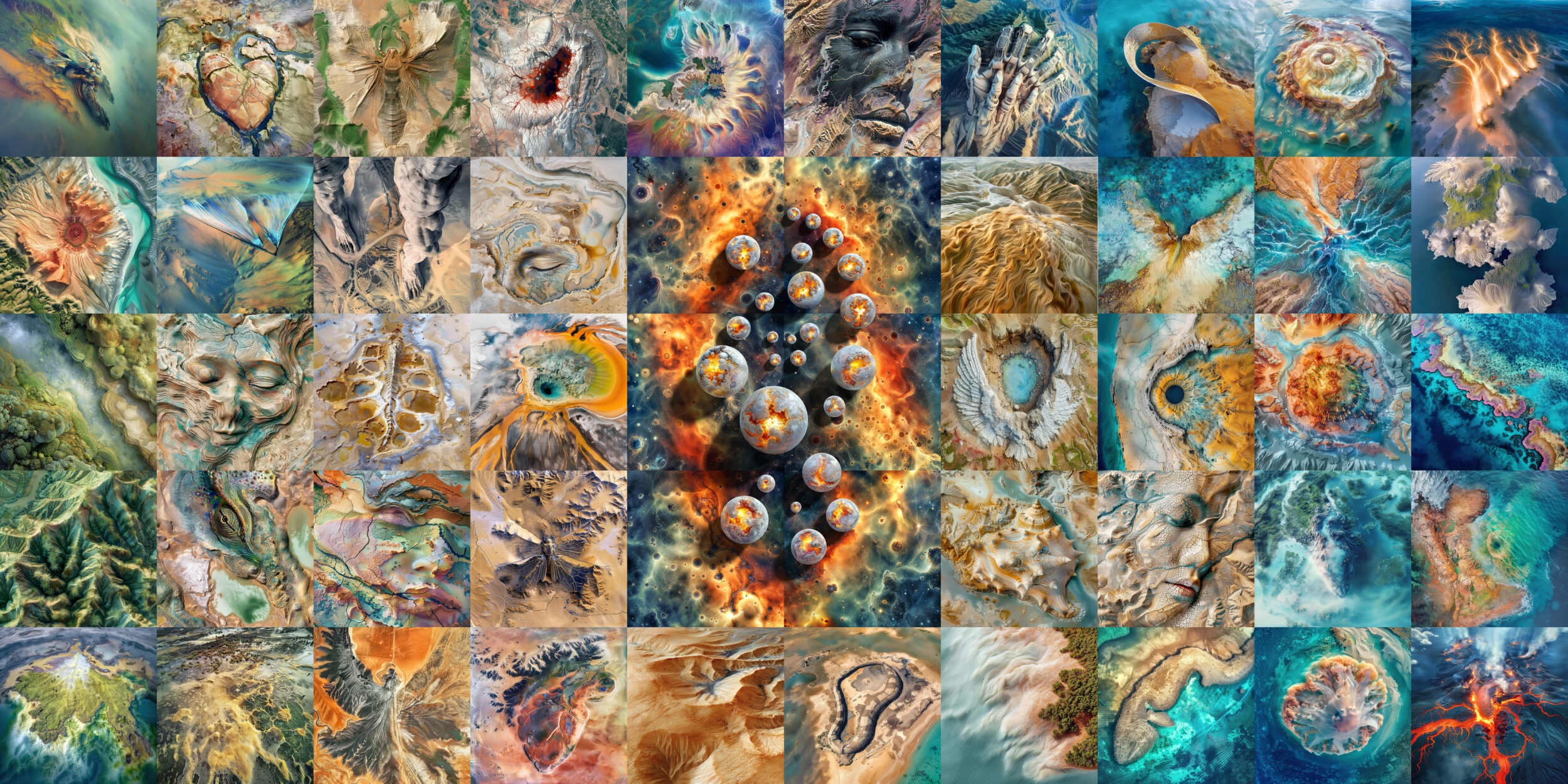
In it, the Castilian artist reflects on the presence of human beings on a planet where the cosmic and the natural converge with the technological. Through a journey that combines art, science and digital culture —with references to science fiction, scientific iconography and technological culture—, Marina Núñez constructs a story that is both a reflection and a question.
Star Dust plays with the limits of digital art to also play with the idea that humans and technology mix and become confused with nature as part of the same thing: the cosmos.
If we are — as Carl Sagan said — stardust; if the matter that forms living beings is, in part, the same matter that forms the stars, then the experience of looking at the firmament is also an introspective experience. Looking out, or up, reveals to us an infinite succession of questions that are, perhaps, the most accurate way of looking inward.
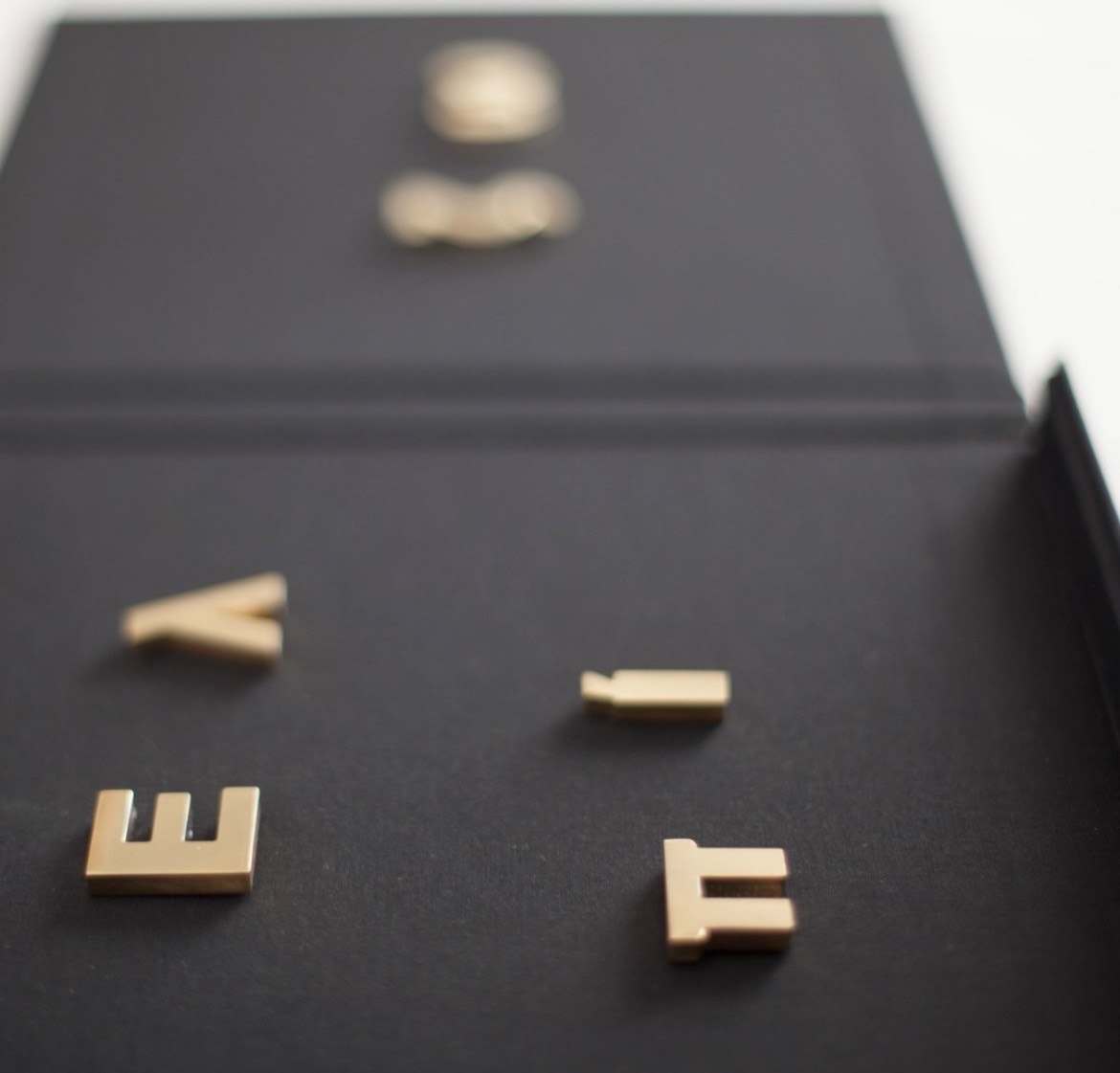
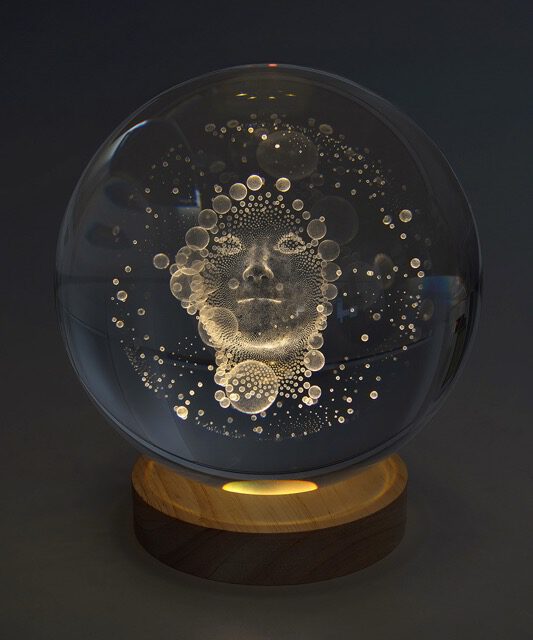
The constant metamorphosis in Marina Núñez's proposal—which confronts audiovisual language with crystal sculptures and brass bas-reliefs—points to the deconstruction of the traditional canons of normality, consequently opening a crack towards the infinite possibilities of being, or being, in the world.
Woven as a kind of microcosm, the exhibition as a whole takes the viewer by the hand to make them an active participant in the artist's gaze. Through landscapes and illusions that mix science and art, Marina Núñez invites us to reflect on a world in constant evolution, where the scientific and the artistic establish a conversation that invites contemplation and critical thinking.
You may be
interested
...