Exhibitions
Sitges reviews its art history with new acquisitions
The new acquisitions of the Sitges Museums connect established artists and historically invisible figures, opening a dialogue that revises and expands the traditional narrative of art history.
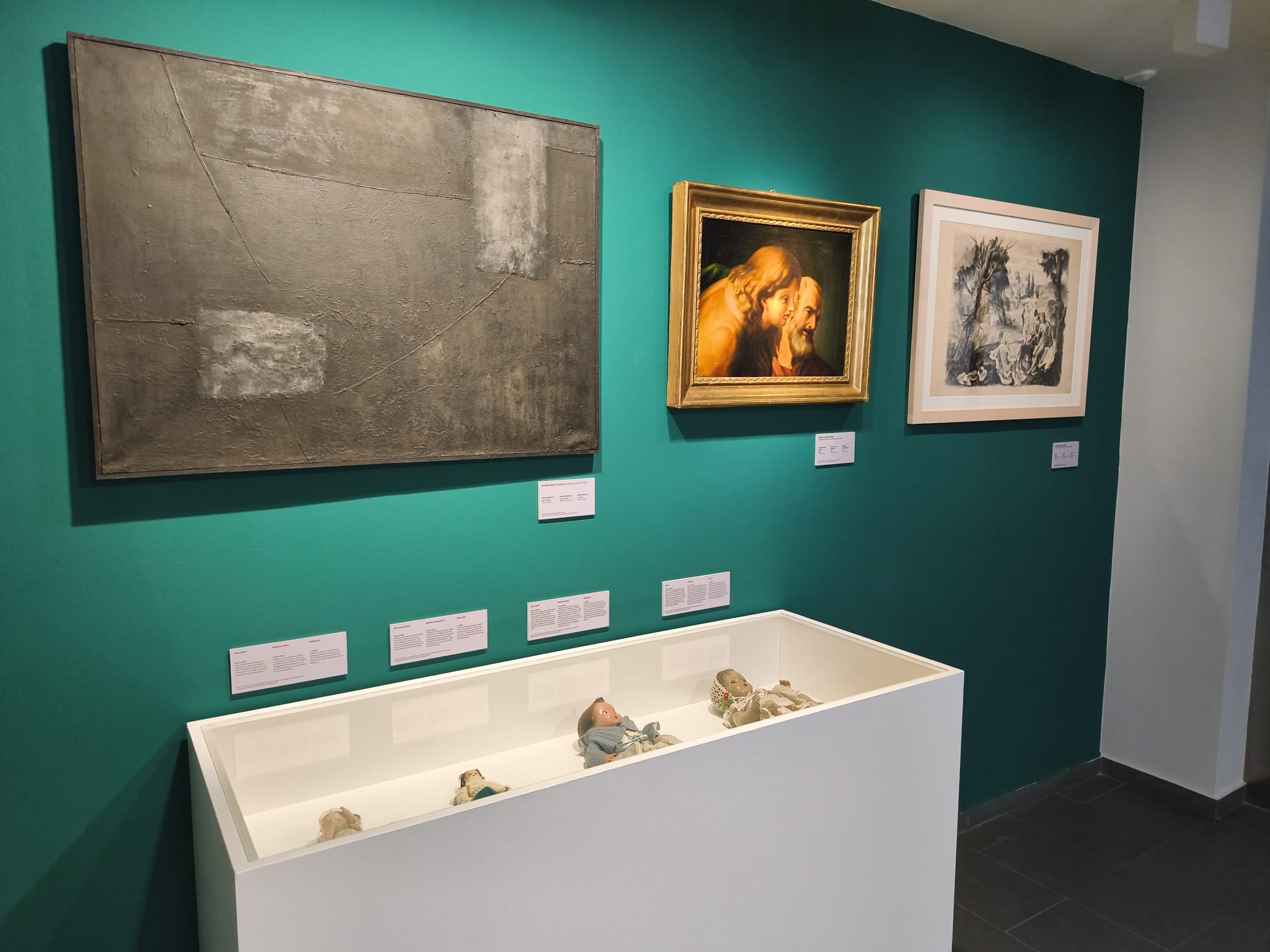
The Sitges Museums are taking a firm step towards a more inclusive view of artistic heritage with the incorporation of new works that question the traditional canon and open up new stories about the history of art.
The 2025 acquisitions, promoted by the Sitges Heritage Consortium, focus on trajectories and objects that have been secondary to the museum narrative until now. The Rocamora Room of the Maricel Museum hosts, from February 26 to May 24, the first part of this small-format exhibition, curated by the historian and art critic Elina Norandi.
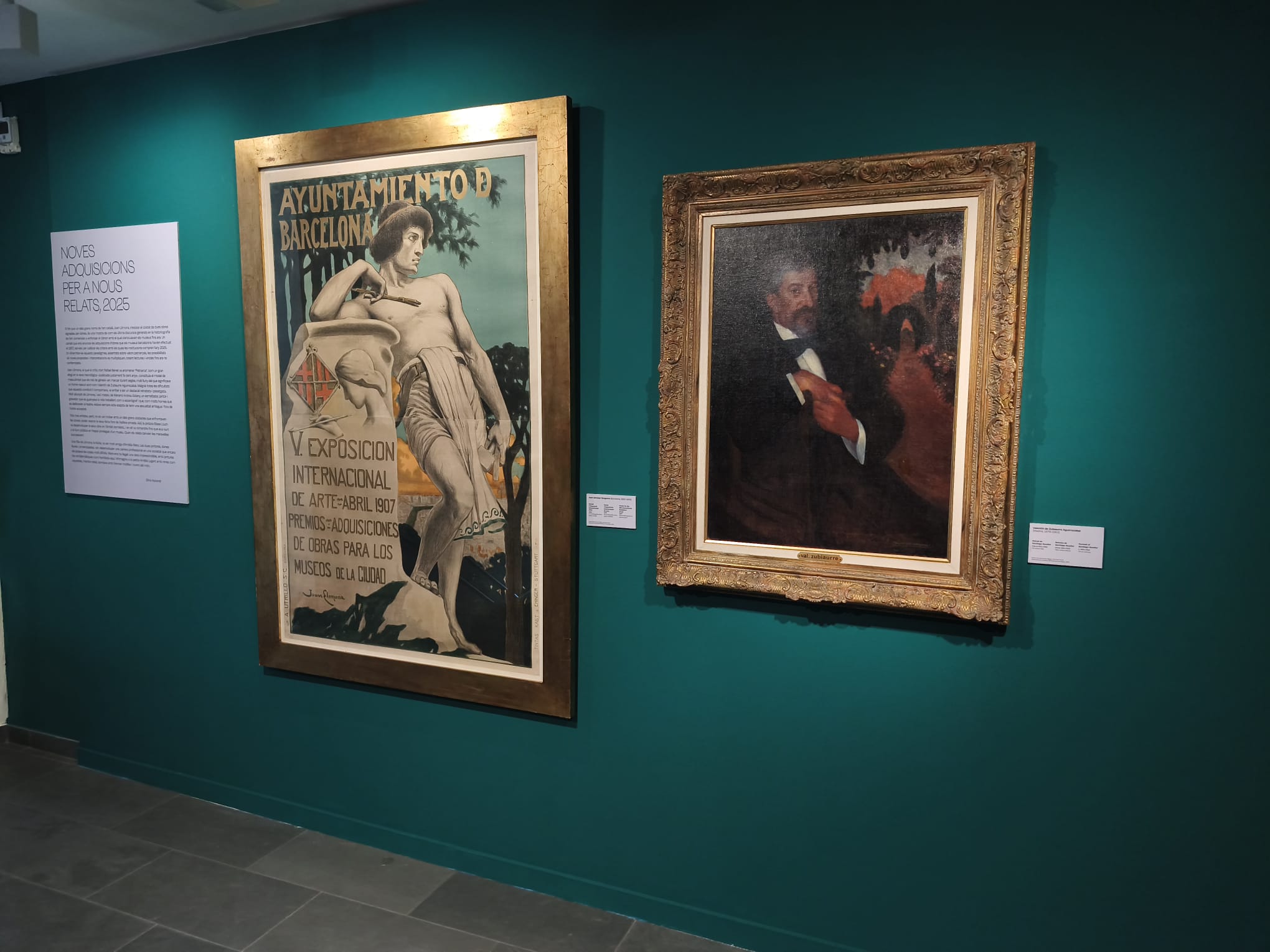
Among the outstanding pieces are Informalista 2 (circa 1960), by Amèlia Riera; the Portrait of Santiago Rusiñol (1911–1912), by Valentín de Zubiaurre; El bany (1934), by Mariano Andreu; Personatges bíblics (1851), by Elisea Lluch, and the poster for the V International Art Exhibition (1907), by Joan Llimona. The exhibition also includes a set of dolls from the first third of the 20th century, recently donated by a private individual.
Beyond the accumulation of works, these acquisitions construct a narrative that directly challenges the historiography of art. As Norandi points out, the dialogue between established figures and historically invisible artists highlights how the criteria for selection and legitimization have changed. The presence of works by women alongside great male names becomes a declaration of principles on the transformative role of museums.

You may be
interested
...