
News
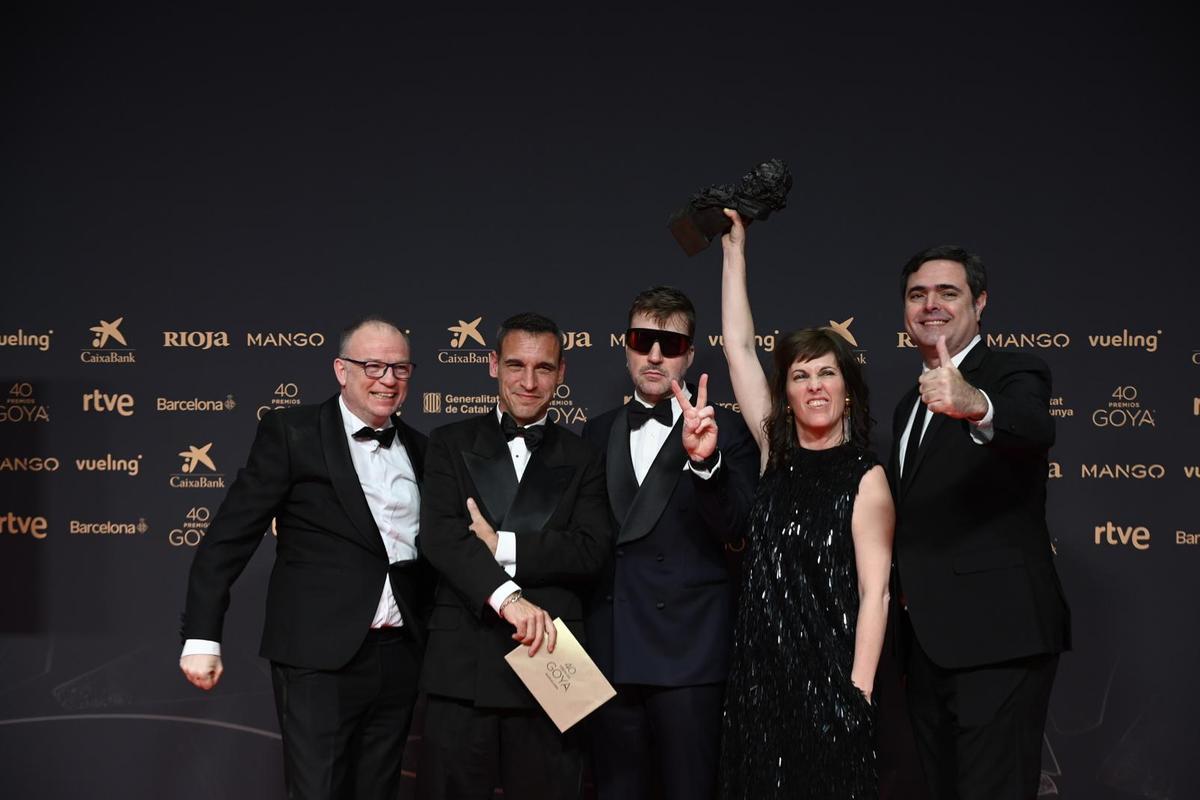
Gilbert, animated crafts that conquers the Goya Awards
Girona native Jordi Jiménez and co-directors Arturo Lacal and Álex Salu triumph with a short film made with traditional techniques that vindicates manual craft in the midst of the digital age.
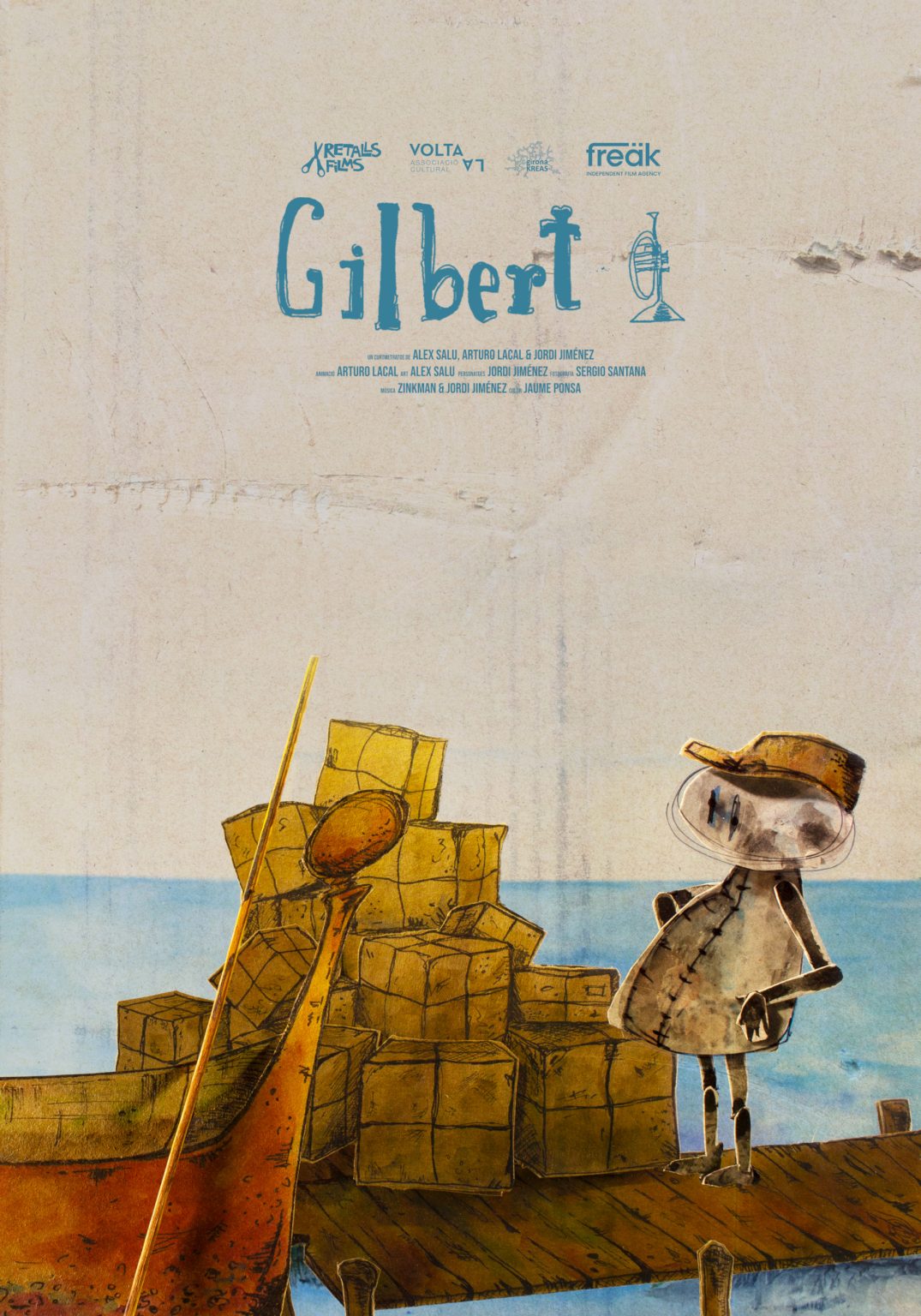
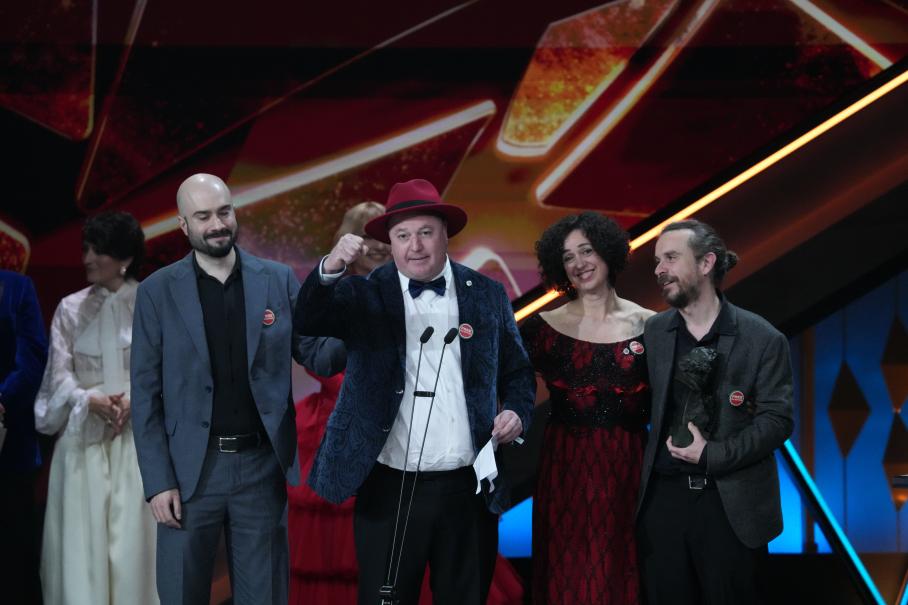
Gilbert 's triumph at the Goya Awards has placed the name of Girona native Jordi Jiménez on the map of Spanish animated cinema. The award, the first of his career, recognizes not only a delicate and meticulous piece, but also a way of understanding the craft: patient, artisanal and deeply collective.
The seed of the project dates back to an animation course for unemployed people, where Jiménez met Valencian Arturo Lacal and Asturian Álex Salu. From that meeting was born a creative complicity that, over the years, would crystallize in a short film of less than thirteen minutes capable of traveling half the world. Premiered in Shanghai, the film began a journey through festivals in Mexico, Canada, Poland and Greece before winning the Goya for best animated short film.
Gilbert tells a seemingly simple story about friendship and selfishness, but he does so with a narrative and visual subtlety that transcends its brevity. Each scene is constructed with a sensitivity that avoids stridentness and opts for contained emotion, for the strength of minimal gestures.
Filmed between Barcelona and the Sant Narcís neighborhood, the short unabashedly vindicates traditional animation. Far from the dominant digital environments, its creators have opted for cardboard and cut-out paper figures, worked on a multi-plane table that allows for depth and volume to be generated in the image. "Without any kind of trick, because everything is pure craftsmanship," they have emphasized on more than one occasion.
This commitment involves an almost goldsmithing process. "When you work like this, a toothpick becomes your great ally in creating movement," explains Jiménez, in charge of character design and also co-author of the soundtrack with the Girona musician César Martínez Zinkman. Lacal has assumed the direction of the animation, while Salu has been responsible for the art direction, setting up a team where each piece is indispensable.
In the competition for the Goya, Gilbert beat out titles such as Buffet Paraíso , by Héctor Zafra and Santi Amézqueta; Carmela , by Vicente Mallols; El corto de Rubén , by Jose María Fernández de Vega; and El estado del alma , by Sara Naves. Beyond the list of awards, however, the film's true merit is to have defended, with conviction and tenderness, a way of creating that puts hands —and time— at the center of the process.

You may be
interested
...