
Exhibitions
The soul of the United States in unforgettable images by Walker Evans at KBr Fundación Mapfre
More than 200 photographs at Fundación Mapfre reveal the genius of photojournalism and the unique look at everyday life and ordinary people.
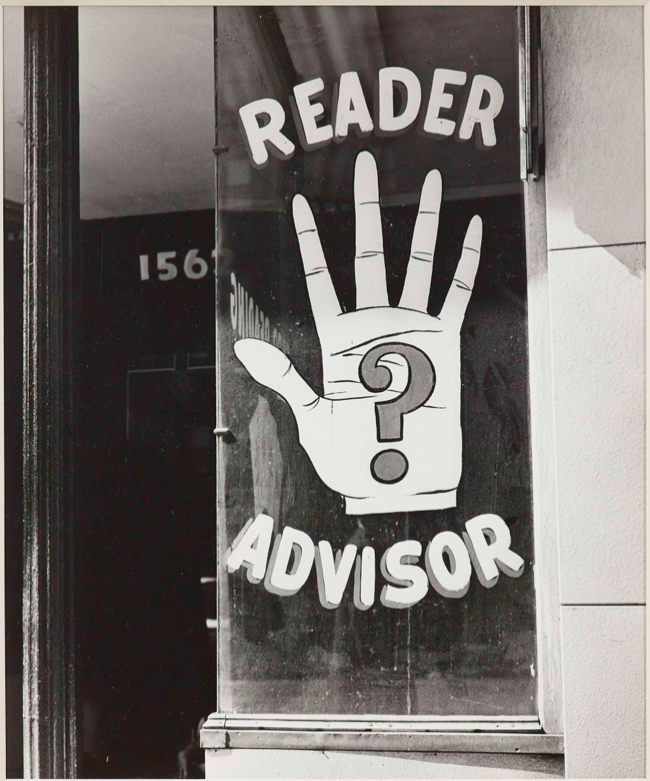
Start of a spectacular exhibition season at Fundación Mapfre in Barcelona with the Walker Evans exhibition with more than two hundred images of the great graphic chronicler who spent decades searching for the soul of the United States. A key American photographer in photojournalism during the Great Depression, he documented the lives of farmers and workers with direct, unadulterated images.
He also captured architecture and posters in New England, focusing on everyday life and the ordinary. His work marked a new way of narrating reality through photography.
Walker Evans (St. Louis, Missouri, 1903-New Haven, 1975) traveled to big cities like New York and Chicago, but he believed that the true spirit of the United States resided in the small towns he wandered so much. With careful, yet natural compositions, Evans portrays the lucidity of everyday life, the urban and rural landscapes, and the anonymous faces of a country in transformation, to which he turned in search of its essence.
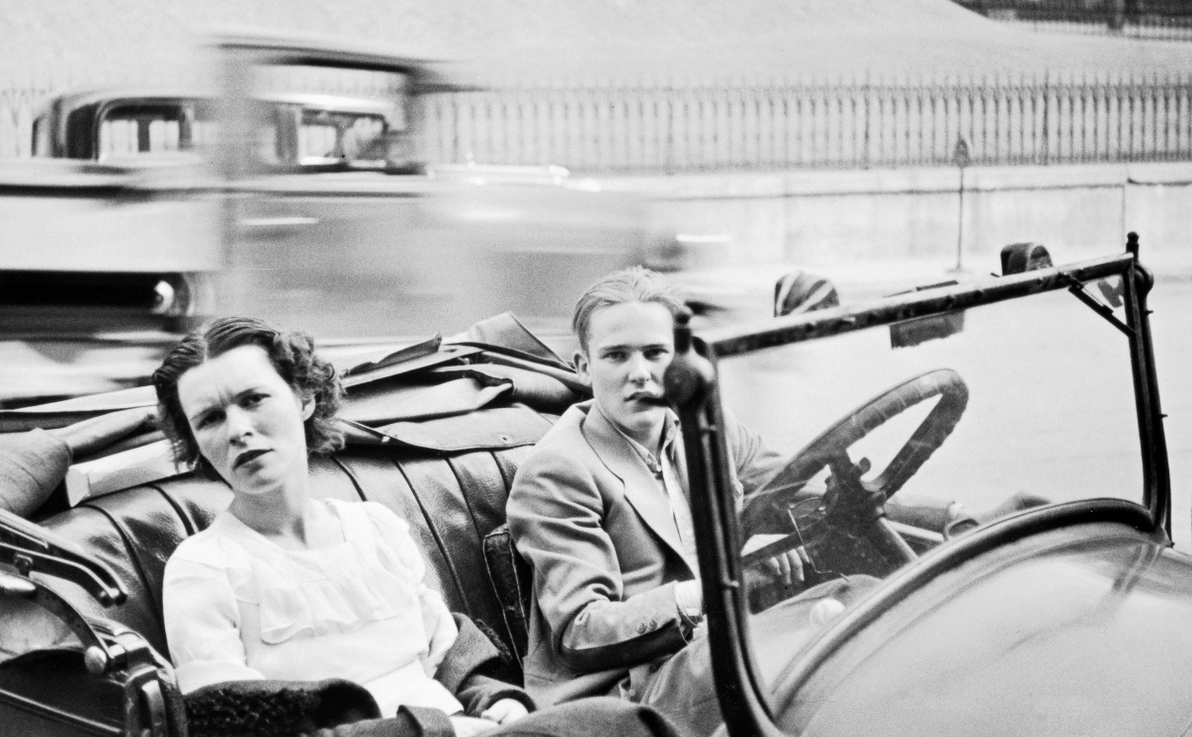
Walker Evans, Parked Car, Small Town Main Street, 1932, Private Collection, San Francisco.
Fundación Mapfre is presenting more than two hundred images in the exhibition Now and Then, curated by David Campany, at its KBr center in Barcelona until May 24. According to Carlos Gollonet, the foundation's chief curator of photography, it is a historic exhibition of the "most influential photographer of the 20th century, who opened new paths by combining documentary and artistic mediums."
In a more thematic than chronological journey, the twelve sections of the exhibition cover the period from the mid-1920s to Evans' unexpected and little-known foray into color with Polaroid cameras in the 1970s. Among the 231 images in the exhibition, all vintage copies, are some of the photographer's most recognized works.
There are also his unmistakable and widely recognized photographs of advertising and commercial posters, hand-painted signs, graffiti, fences, signs or shop windows that anticipate pop art, and above all of ordinary people. These are images that offer a new look at the everyday and the lives of anonymous people.
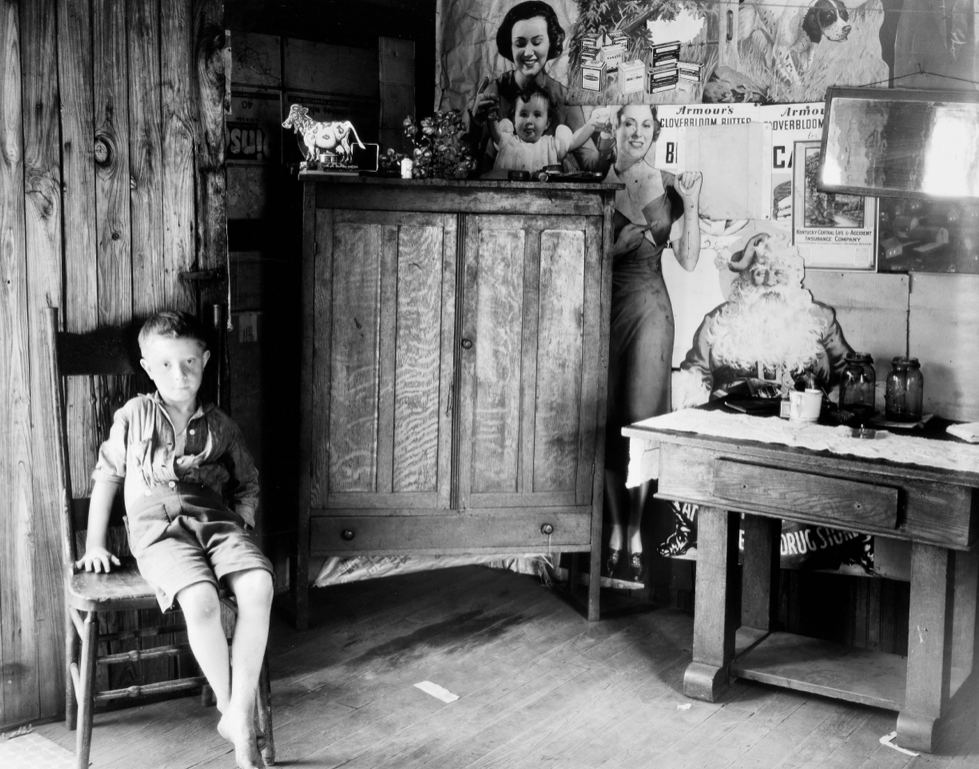
Walker Evans, West Virginia Living Room, 1935, Private Collection, San Francisco.
"He made documentary photography with any kind of camera or format, including Polaroid, for its instant connection with everyday life. His technique could be very sophisticated, but he didn't want this to interfere or impress people. He didn't conceive of photography as an art separate from popular culture, but as a way to connect with it," Campany points out. He points out that Evans is the photographer of his time who best connects with the present, "the most relevant today," and who attracts new generations.


You may be
interested
...