Exhibitions
'Bodys that talk', more than a hundred years of illustration and comics by women in Catalonia
The Barcelona Provincial Council's exhibition on the female body in comics will be shown in seven more municipalities.
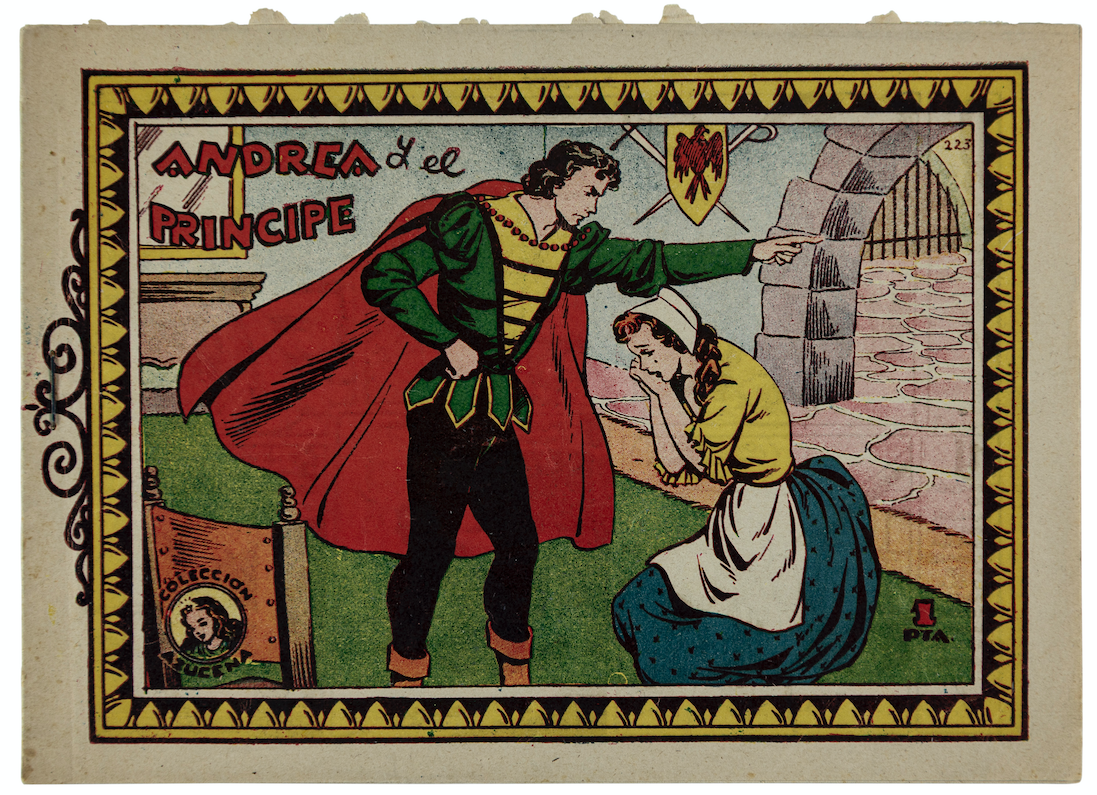
Based on the works of forty female authors, "Speaking Bodies. Representations of the Body in Comic Authors. 1910-2022" explores the representation of the female body from the early 20th century to the present day. The content of the exhibition is the result of the expertise of its curator, Marika Vila, in the study of women as objects and subjects of comics, applying a gender perspective.
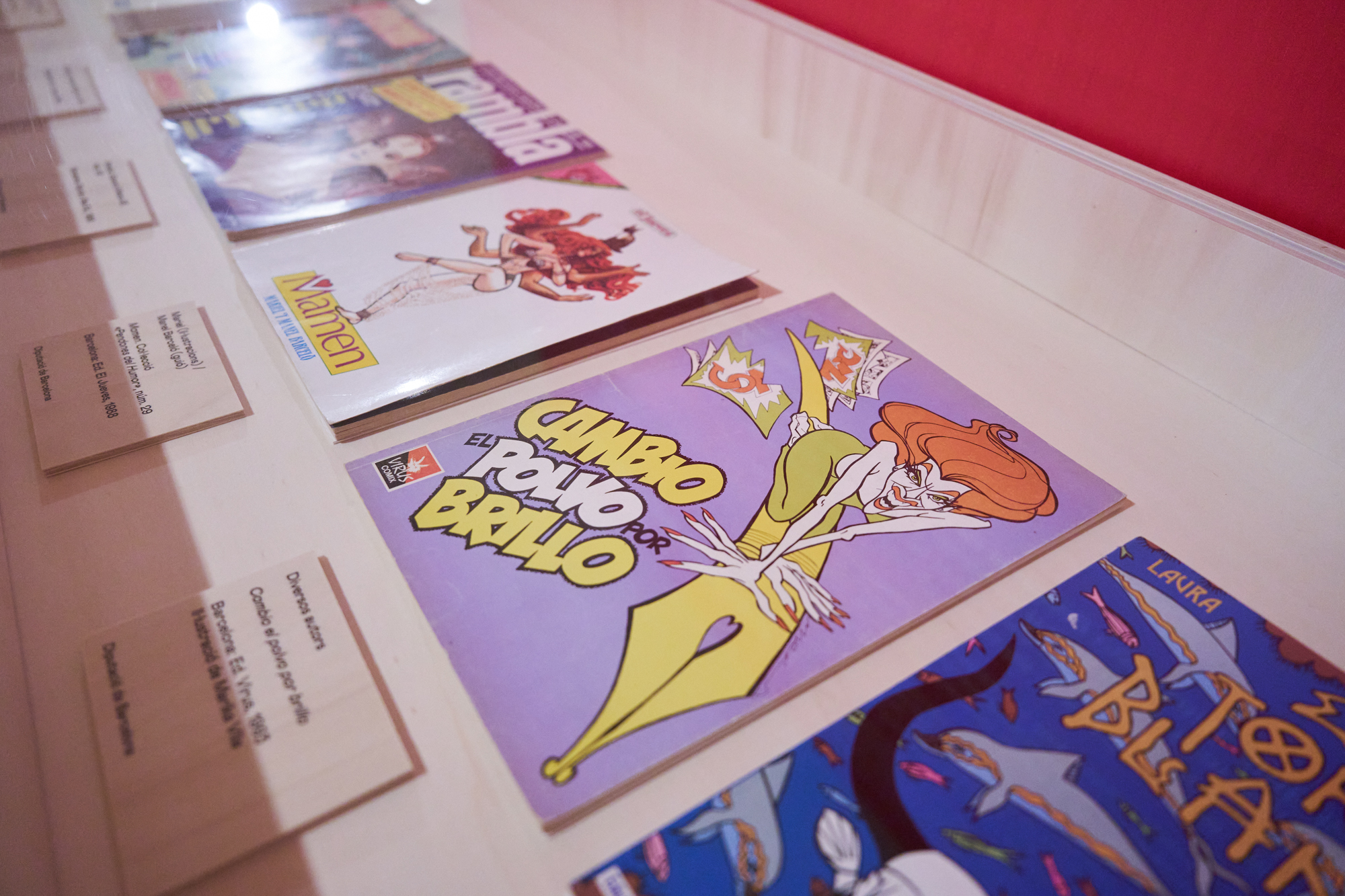
After visiting eight facilities of the Local Museums Network, between 2024 and 2025, with 11,705 visitors, an adaptation is now presented in a reduced version with facsimile reproductions of the illustrations that were part of the first tour of the exhibition, but maintaining the documentation exhibited in the display cases, which is mostly original.
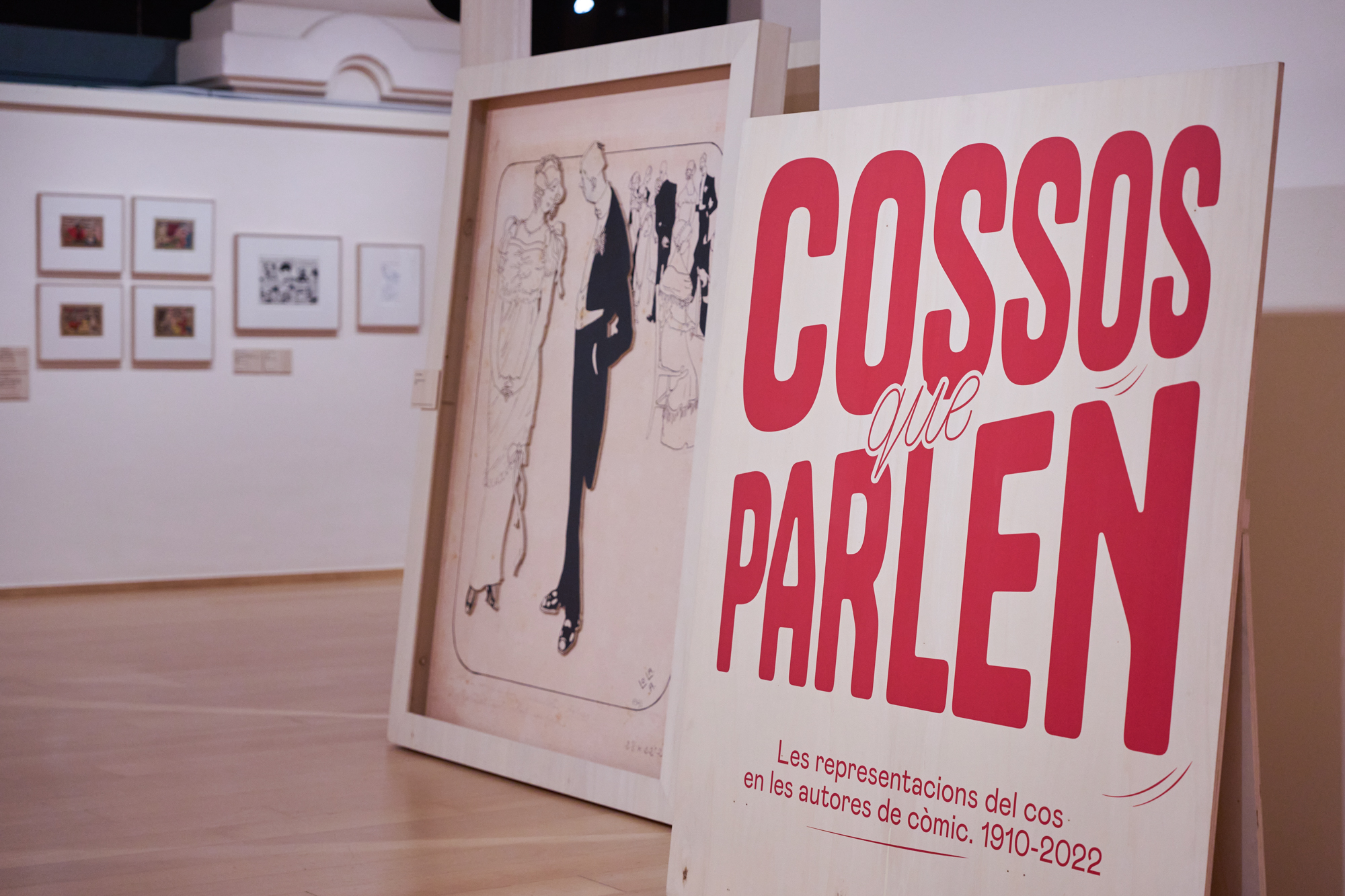
The exhibition, which is organized by the Cultural Heritage Office of the Culture Area of the Barcelona Provincial Council and the Palau Mercader Museum in Cornellà de Llobregat, will visit Masnou, Gavà, Igualada, Ripollet, Sant Boi de Llobregat, Santa Coloma de Gramenet and Viladecans, until January 2028.
More than a hundred years of comics and illustrations by women
The selection of works presents a journey that demonstrates how patriarchal stereotypes have subjected women to gender roles and abused their bodies as commercial advertising. The exhibition highlights how throughout this journey, female representation has carried this burden until the authors have been able to express themselves freely in favor of women's liberation and empowerment.
The journey, spanning over a hundred years of illustration and comics in Catalonia, follows the discourse of women in each era, within the spaces that have been allowed to them. From the timid Republican presence to the silence imposed by the Dictatorship, through the transgressions of the avant-gardes of the late 20th century, to the implementation of the models of the new millennium and the new subjectivities: fluid, multiple and diverse.
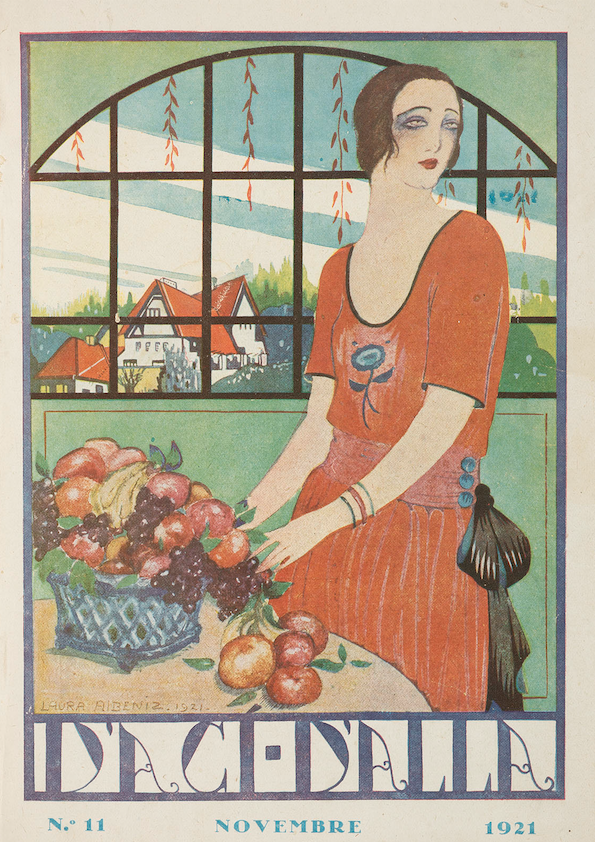
Laura Albéniz. 'From Here to There'. 1921.
The curator of the exhibition, Marika Vila, has a degree in Humanities, a Master's in Women's Studies and a PhD in Construction and Representation of Cultural Gender Identities from the University of Barcelona. Recent winner of the Grand Prize of the Barcelona Comics Fair, Vila began her career as a cartoonist and illustrator in the 1970s and is known for her comics for an adult audience with a high degree of social commitment. She is part of the generation of authors committed to the conquest of democracy and the feminist movement who brought an avant-garde and feminist perspective to comics.
Five areas, five contexts
The exhibition is structured into five areas linked to context and social changes, and a sixth space dedicated to emerging digital artists who address diversity through new technologies, social networks, self-publishing and online self-publishing.
The first area, 'From the women of the Cu-Cut! group to the dollmakers of Noucentisme', shows the growth of comics in the periodical press, aimed at a male audience that ignored women's rights. The authors from this period are Lola Anglada, Laura Albéniz and Ana Maria Smith.
The second area, 'The dictatorship: from submission to a false protected freedom', is dedicated to the representation of a "domesticated" female body within the order and control imposed by the Dictatorship. At that time, fashion became the timid tool of change for authors such as Maria Pascual, Pili Blasco, Maria Claret, Rosa Galcerán, Carme Barberà, Purita Campos and Pepita Pardell.
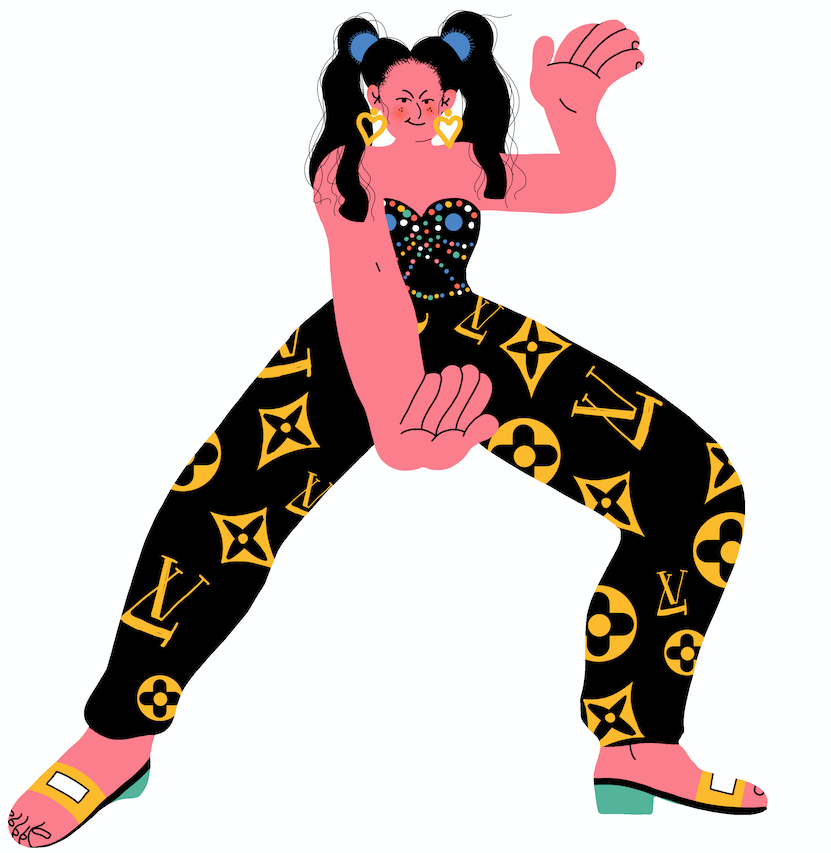
Genie Espinosa 'With height, Rosi!' 2020
'The Body in Conflict: Feminist Transgression' discusses how humor was used to teach in the so-called comic book boom of the late 20th century. Some authors from this era are Núria Pompeia, Montse Clavé, EIsa Plaza, Isa Feu and Marika Vila.
The fourth area, 'O el gir de la mirada eròtica', is dedicated to the pluralism that gives voice to female bodies with a vision of representation that overturns the normative discourse and tends towards the erotic gaze. Works from this period are exhibited by Mariel Soria, Laura Pérez Vernetti, Marta Guerrero, Ana Miralles and Marika Vila.
Set at the turn of the century, in the fifth area, 'The new millennium: the empowerment of plural bodies', the new models influenced by graphic novel superwomen and manga heroines and their massification through cinema and television are shown, as well as the emergence of feminine expression that uses new technologies and social networks. Raquel Gu, Antonia Santolaya, Luci Gutiérrez, Olga Carmona, Lola Lorente and Ana Penyas are part of this generation.
Finally, 'The Voices of the Body in Digital Culture', is starring emerging authors who face diversity and plurality using technology. In this last area, works by Bàrbara Alca, Clara Tanit, Flavita Banana, Carla Berrocal, Marta Cartu, Rosa Codina, Cristina Durán, Genie Espinosa, Ana Galvañ, Luci Gutiérrez, Nadia Hafid, Maria Llovet, Andrea Lucio, Susanna Martin Segarra, Laura Pérez Granel, Miriampersand, Sonia Pulido, Raquel Riba Rossy, Ana Belén Rivero, Sara Soler and Sandra Uve are projected in video format. Authors who, in a discourse created by women who construct themselves as free subjects, focus on plurality and, as Marika Vila points out, “close the discourse in the form of To be continued”.
Accessibility catalog and resources
The exhibition is accompanied by a catalogue that includes the contents on display, details of the works on display and texts by its curator, Marika Vila. The publication can be purchased at the Provincial Council Bookstore.
"Bodys that Talk" is an inclusive exhibition that incorporates sensory experience to improve perception through the senses and that makes the content accessible to visitors with accessibility difficulties. The La Mirada Tàctil program, of the Cultural Heritage Office of the Culture Area of the Barcelona Provincial Council, has adapted the content, in collaboration with the Federation of Deaf People of Catalonia and the Bibliographic Service of ONCE. The community with blindness or visual impairment has relief reproductions of some works and their description in macro character and Braille writing. For the deaf community who sign and speak, QR codes are presented linked to the La Mirada Tàctil channel on YouTube , where all the contents of the exhibition can be viewed in sign language and with subtitles. And for people with cognitive difficulties, work has been done on adapting the content in collaboration with the AMPANS foundation and the Easy Reading Association.
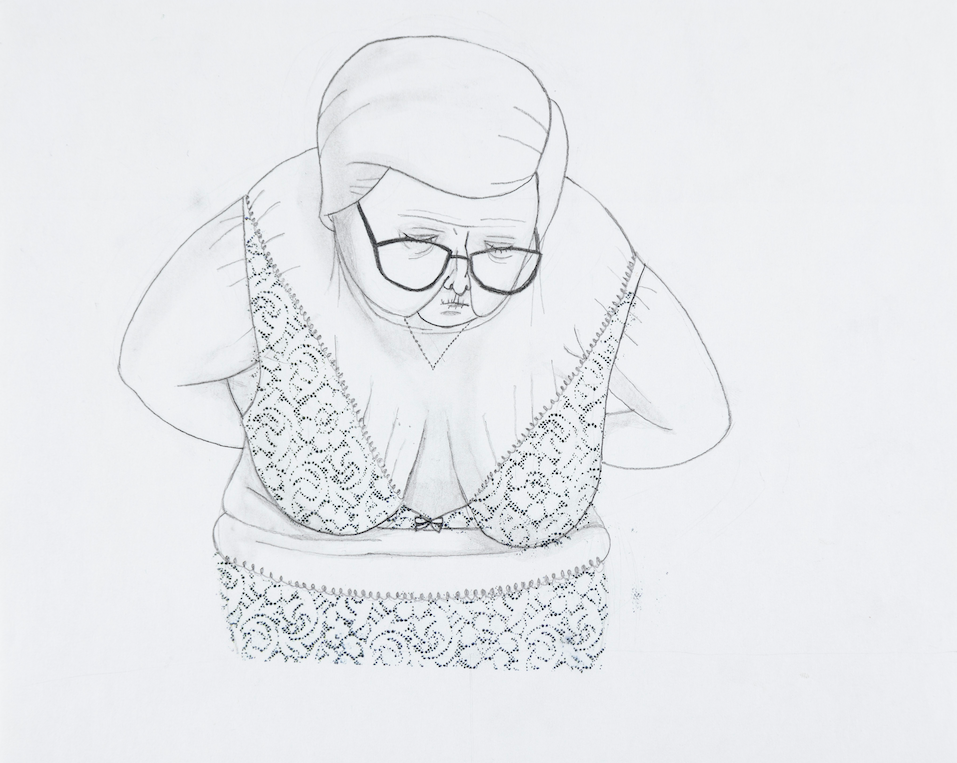
Ana Penyas. 'So'. 2016.
In addition, visitors have access to the texts in the room sheet translated from Catalan to Spanish, English and French; and in the musical section, the exhibition has a sound setting based on a composition made expressly to enjoy a more immersive visit.
The traveling exhibition will tour several local museums starting in 2026. It will begin at the Molí d'en Rata Heritage Interpretation Center in Ripollet, from January 10 to March 24, 2026, and will continue at the Torre Balldovina Museum in Santa Coloma de Gramenet, from March 31 to June 30, 2026. It will then move to the Espai El Casinet in El Masnou, from June 30 to September 29, 2026, and to the Gavà Museum, from September 29, 2026 to January 12, 2027. It will then be able to visit the Viladecans Museum, from January 12 to 31, 2027, and the Igualada Leather Museum, from January 31 to June 29, 2027. Finally, the exhibition will be shown at the Sant Boi Museum in Llobregat, from October 5, 2027 to January 14, 2028.
You may be
interested
...