Exhibitions
When the street enters the museum at the Canal Foundation
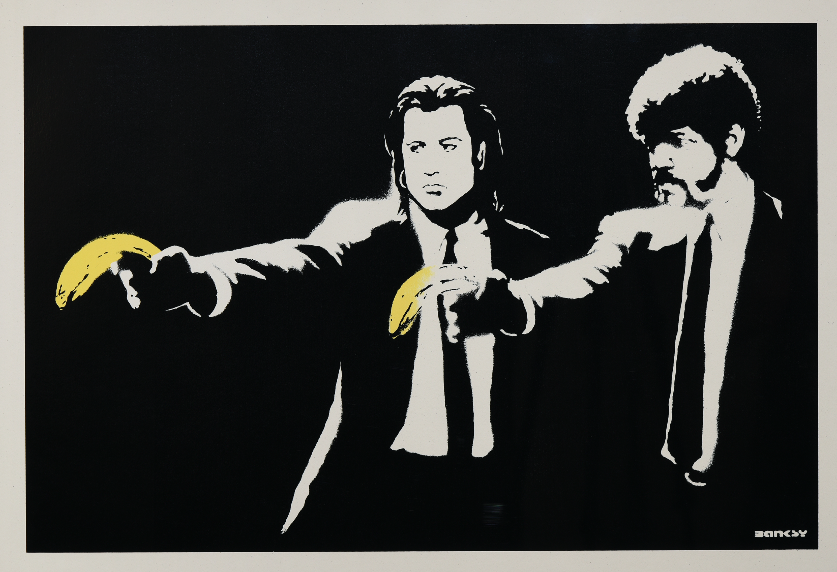
The Canal Foundation in Madrid presents Urban Art. From its origins to Banksy , an exhibition that can be seen from February 4 to May 3, which traces a broad journey through the history and evolution of urban art, from its first manifestations linked to the street and counterculture to its current recognition as one of the most influential artistic expressions of our time.
Through more than 60 works, the exhibition brings together some of the movement's key figures, such as Jean-Michel Basquiat, Keith Haring, TAKI 183, SEEN, and Blek le Rat, alongside internationally renowned contemporary artists like Os Gêmeos and JR, as well as Spanish artists such as SUSO33, El Xupet Negre, and the duo PichiAvo. This intergenerational dialogue allows us to observe the diversity of languages, techniques, and approaches that have defined urban art over the decades.
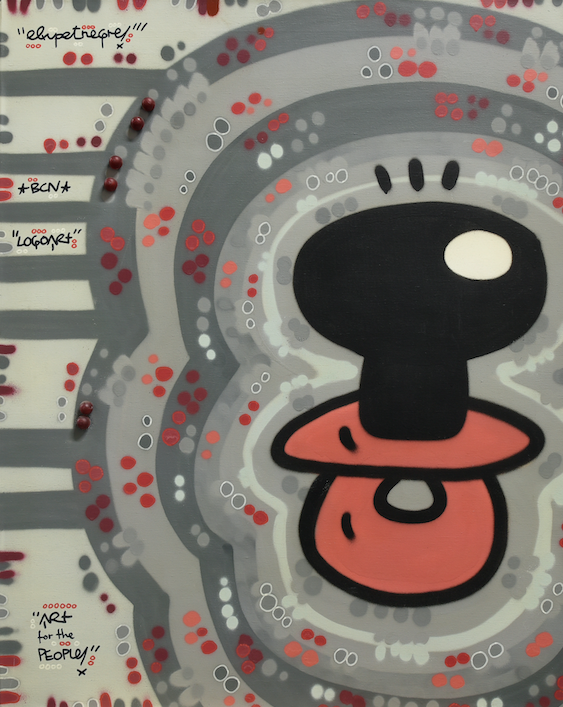
THE BLACK XUPET. Art for the people, n.d. © Courtesy of the artist.
Curated by Patrizia Cattaneo Moresi, the exhibition unfolds chronologically, facilitating an understanding of the aesthetic and conceptual evolution of this discipline, considering both its historical roots and its consolidation within the contemporary art scene. It is organized into five chronological stages, plus a monographic section dedicated to Banksy, a key figure for understanding the media presence and symbolic weight that urban art has acquired in the 21st century. As a conclusion, the exhibition presents a space for debate on what can be considered urban art today, inviting visitors to critically reflect on its boundaries and its close connection to the social, historical, and symbolic context in which it develops.
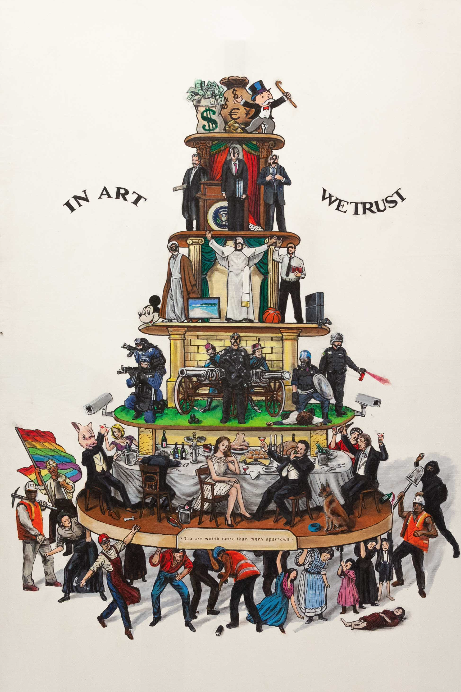
Ozmo (Gionata Gesi). You are worth more than many sparrows (In art we trust), 2016. © Courtesy of the artist.
Urban Art: From its Origins to Banksy offers visitors a journey through an artistic discipline of a critical and constantly evolving nature, whose origins lie in the street and the occupation of public space as a territory for expression, confrontation, and resistance. From its earliest manifestations to its gradual integration into institutional circuits, urban art has been marked by a persistent tension between the inherent rebellion of its subversive character and its subsequent legitimization as a recognized artistic practice.
Far from presenting a linear or closed evolution, the exhibition constructs a network of connections, cross-influences, and aesthetic shifts that allow us to understand the complexity and vitality of the phenomenon. In this sense, the exhibition showcases both the richness and artistic quality of the works and the diversity of languages, techniques, and discourses that have defined—and continue to define—urban art in different geographical and cultural contexts.
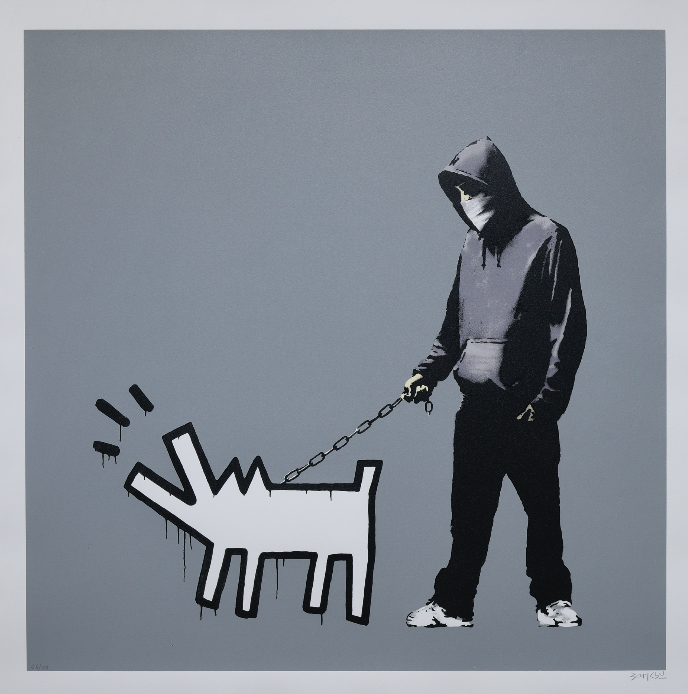
Banksy. Choose your weapon, 2010.
The exhibition also addresses one of the central debates within this discipline: the blurred line between creativity and illegality. This issue, far from being resolved, continues to raise questions about the nature of urban art, its relationship with public space, and its dependence on the social, historical, and symbolic context in which it is situated. Within this framework, urban art reveals itself not only as a form of aesthetic expression but also as a fully relevant tool for interpreting, questioning, and engaging critically with the contemporary world.
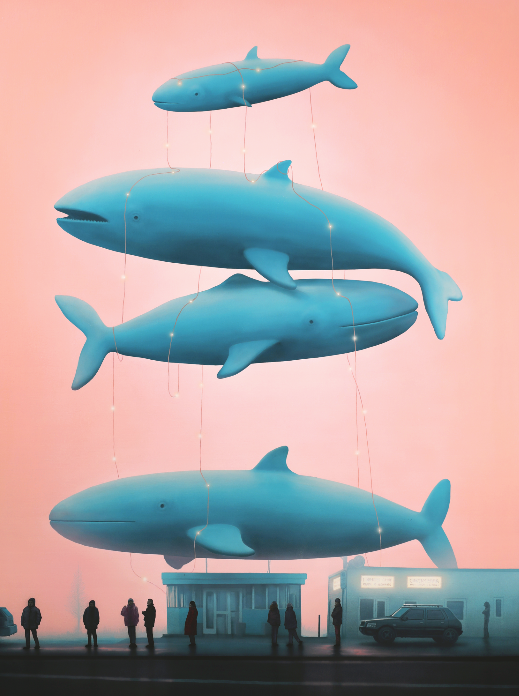
Nevercrew (Christian Rebecchi & Pablo Togni). Still, 2023. © Courtesy of the artist.


You may be
interested
...