Opinion
Sirat or cinema as a journey: a sensory odyssey towards the Oscars
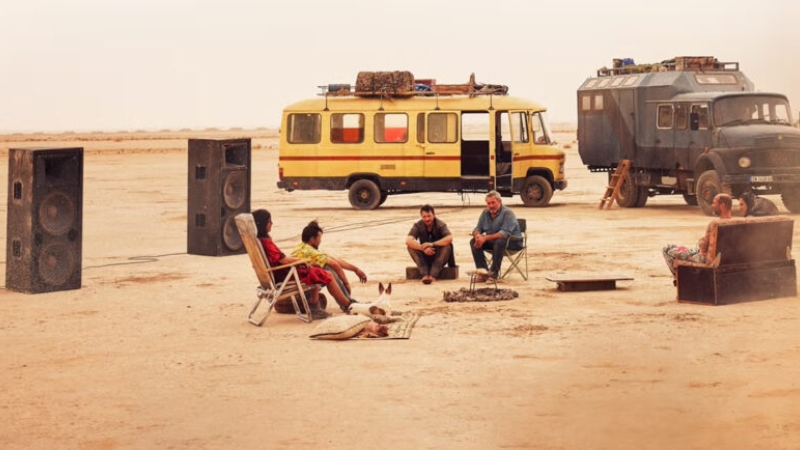
Sirat is not just a film: it's a journey. An experience that unfolds like an uncertain caravan through the desert, where each step seems both definitive and provisional. From its opening minutes, it makes it clear that it doesn't try to reassure the viewer. There are no promises of control or predictable paths here: ten seconds can change everything, and that is precisely its greatest strength.
The film is sustained by a constant, almost physical, tension. The suspense doesn't stem from grand, dramatic plot twists, but from a persistent sense of threat, the fragility of bodies, and the decisions made in an unforgiving environment. Sirat demands surrender: she isn't just looked at, she is experienced firsthand.
One of its fundamental pillars is the spectacular and immersive sound design, which transforms the desert into a living organism. The wind, the silences, and the bursts of sound create an atmosphere that amplifies the anguish and propels the narrative beyond the image. It's a sound that doesn't accompany: it commands.

At the heart of it all is Sergi López, in a performance of overwhelming intensity. His presence is magnetic, unsettling, profoundly human. López creates a multifaceted character, capable of conveying vulnerability and menace in a single gesture, bearing the emotional weight of the film with devastating precision.
Sirat's two Oscar nominations are not just industry recognition, but confirmation that we are dealing with a work that transcends borders. A raw, courageous film that embraces narrative and sensory risk in an increasingly domesticated landscape.
Oliver Laxe's film enters the Oscar race with two significant nominations: Best International Feature Film and Best Sound, a double recognition that underscores both its artistic ambition and its sensory power. At the other end of the spectrum, Ryan Coogler's Sinners bursts onto the awards season scene with overwhelming force, setting a record with 16 nominations and establishing itself as one of the year's biggest phenomena. Two radically different films that, through opposing languages and impulses, confirm the breadth and vitality of contemporary cinema at Hollywood's biggest event.
Sirat offers no clear answers or comforting endings. Like any authentic odyssey, it leaves its mark, its discomforts, and its questions unanswered. And when it ends, the viewer doesn't emerge unscathed: they emerge transformed, still with sand in their ears and the echo of the desert resonating within.



You may be
interested
...