Exhibitions
Helena Almeida transforms the gaze with body and gesture at Prats Nogueras Blanchard
Between gesture, space and disappearance, a radical practice that redefines the limits of representation.
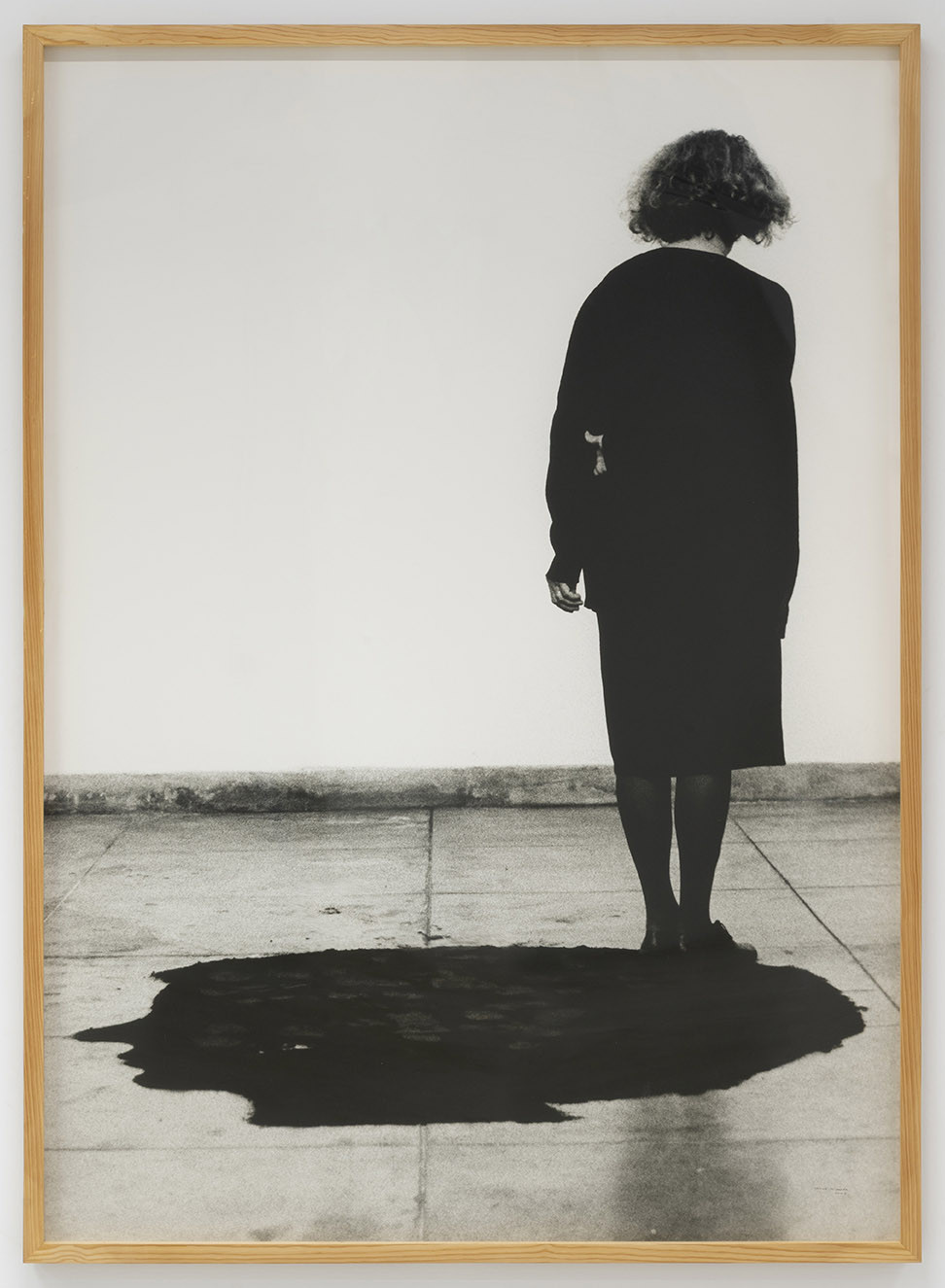
Helena Almeida (Lisbon, 1934 – Sintra, 2018) occupies a fundamental place in the history of Portuguese and international contemporary art. Over more than five decades, her practice deliberately eroded the boundaries between disciplines to shape her own, rigorous and essential language, in which the body, space and gesture become matter for thought and action.
Prats Nogueras Blanchard presents Holding the Line with My Fingers , the inaugural exhibition dedicated to the work of Helena Almeida at the Barcelona gallery. This first presentation of her work in this space proposes a precise reading of a key artist, whose practice articulates photography, body and gesture as structural axes of a sustained investigation into the limits of representation.
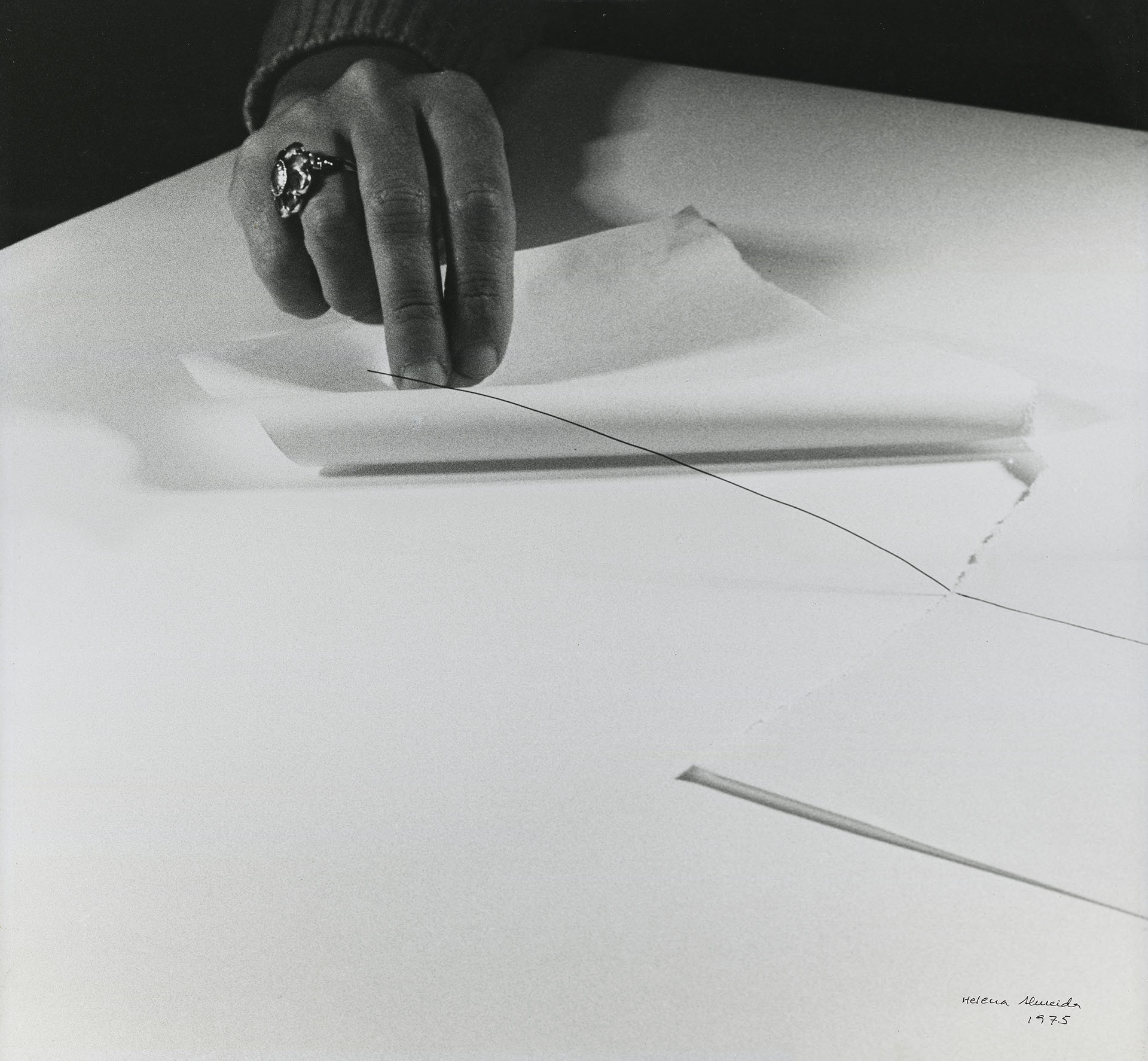
Helena Almeida, S/Title, 1975.
From the late 1960s, Almeida began a radical exploration of the very nature of the work of art, integrating photography, drawing, painting and performance into an inseparable practice. In this process, his own body becomes a central element, not as an autobiographical subject or as a self-portrait, but as an instrument of measurement, action and resistance. His images —mostly in black and white and subtly intervened with paint or minimal gestures— function as spaces of tension where the body operates almost abstractly, activating the limit of the picture and the support.
The well-known statement "my work is my body, my body is my work" synthesizes a conception of art understood as an experience that is both physical and intellectual. It is in the constant dialogue between body and space —always that of her own studio—, between gesture and border—captured with an almost ritualistic precision by her husband, Artur Rosa—that Almeida constructs a poetics of affirmation and disappearance. Her works trace an incessant movement of entry and exit from the painting, of occupation and liberation of space, thus redefining the position of the viewer and the very act of looking.
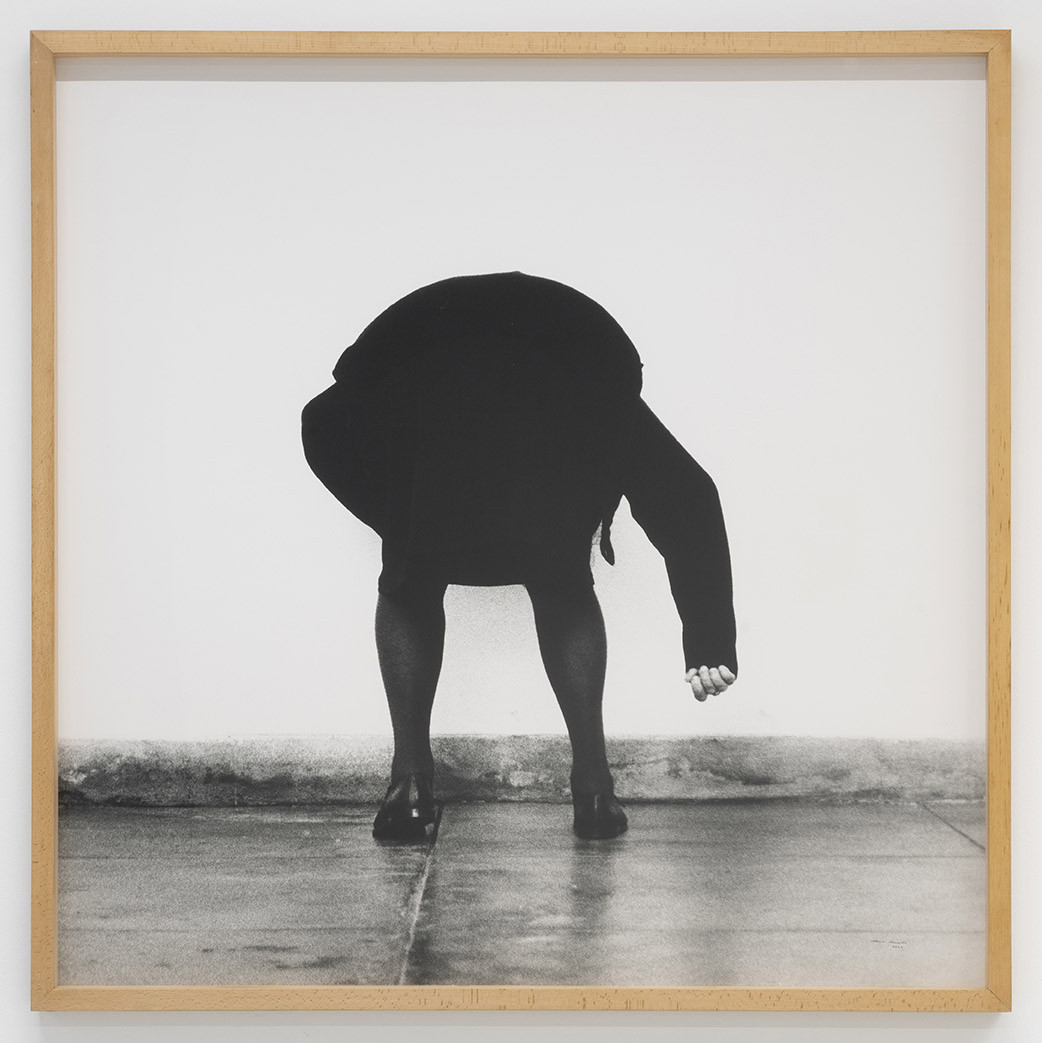
Helena Almeida , Untitled, 2004.
Helena Almeida is not a painter, nor a dancer, nor a photographer, but she dialogues with all these languages to displace them. For more than forty years, she has developed a stubborn and meticulous narrative, always in the same workshop, with herself as the subject and with a single accomplice. Extreme meticulousness, radical attention to the captured moment, contained movement, rigorous editing and a silent radicality define a work that is inscribed in time and gesture, and that continues to challenge the contemporary gaze with intact intensity.
You may be
interested
...