News
Catalan painting, epicenter of debate and reflection at GAC 2025
Where collecting, galleries and museums weave the future of Catalan painting.
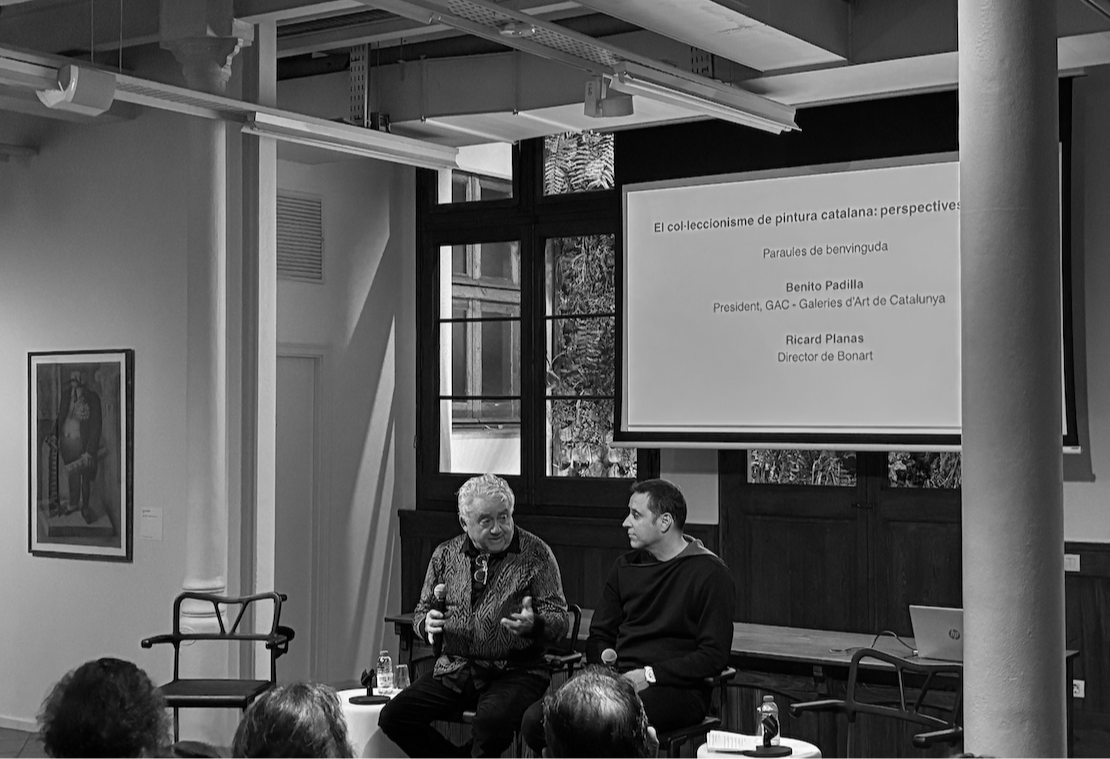
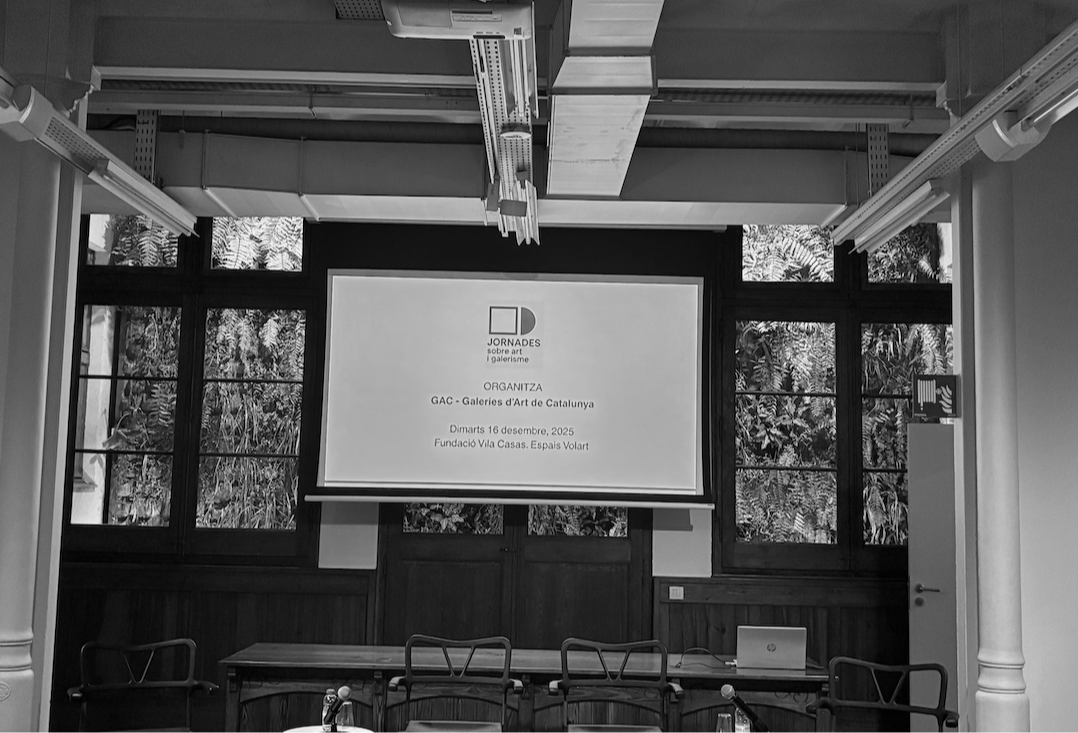
The Vila Casas Foundation at the Espais Volart held the 2025 Art and Gallery Conference organized by GAC (Galeries d'Art de Catalunuya). This edition invited attendees to immerse themselves in a space of debate and reflection on the collecting of Catalan paintings: its historical trajectory, the motivations that drive collectors, the relationship with galleries and museums, as well as the contemporary challenges of the market and the preservation of artistic heritage. A journey to understand how the passion for art shapes the present and future of Catalan culture.
Moderated by Ricard Planas, director of Bonart, the day began with Guillermo Cervera, head of collections at the Carmen Thyssen Foundation, who shared the secrets and stories of the Catalan painting collection. This was followed by Carme Clusellas, director of the Museu d'Art de Girona, and Josep Fèlix Bentz, director of the Palau Martorell, discussing exhibitions of Catalan painting, focusing on contemporary narratives, challenges and opportunities, moderated by Planas.
To conclude, a comprehensive look at the past, present and future of Catalan painting collecting is offered. This panel discussion features Bernat Puigdollers, director of the Vila Casas Foundation; Jesús Navarro Guitart, director of MORERA, Museum of Modern and Contemporary Art of Lleida; and Artur Ramon Navarro, director of the Artur Ramon Art gallery, who analyze the motivations of collectors and the challenges of preserving artistic heritage.
Catalan painting is becoming the epicenter of a necessary debate, reflection and analysis on the place it occupies after twenty-five years of this new century. As Guillermo Cervera, head of collections at the Carmen Thyssen Foundation, points out: “We try to find Catalan artists that we don't have in our collection. We want to close circles and fill the gaps that still remain”, highlighting the great importance of art galleries and the role they play in projecting and giving visibility to Catalan creation. But behind each work there is an essential question: Why is it exhibited in a cultural space?
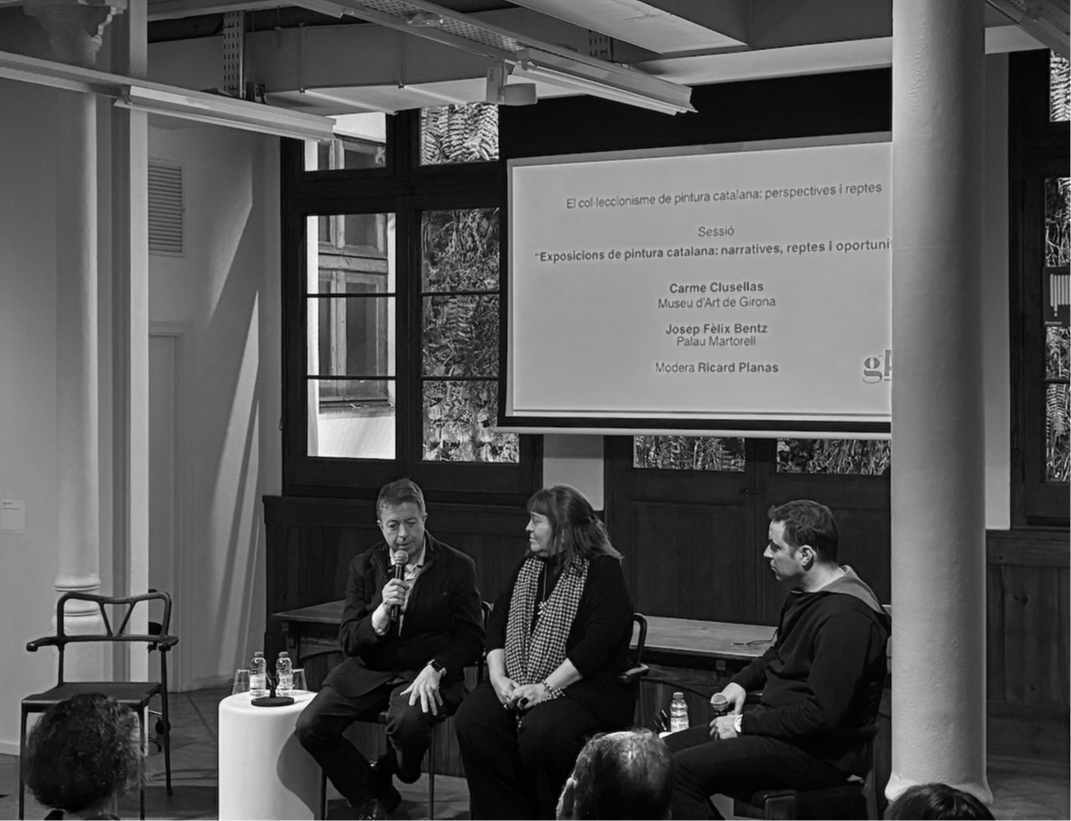
The duo Carme Clusellas and Josep Fèlix Bentz exemplify the complexity of linking administration, cultural facilities, galleries, collectors, works and artists. At the same time, they bring to the table the centrality of Barcelona, which concentrates resources and visibility, and the need to strengthen other territories with better spaces and economic conditions. As Clusellas emphasizes: “Catalan art of the 20th century has not yet found its space. And we, the museums, must generate opportunities”. Examples such as the trajectories of Roser Bru, Francisca Rius or the Clavé exhibition at the Palau Martorell show the vitality of an art that demands recognition and dissemination.
This debate reminds us that Catalan painting is not just heritage: it is a tool for thinking about the present, questioning the past and projecting a future where artists, institutions and the public coexist and dialogue.

You may be
interested
...