
News
The Archaeological Museum of Banyoles is reborn after 16 years with a renewed story and 1,600 pieces on display
The new MACB is committed to immersive museography and presents unique pieces such as the jawbone of Banyoles, the oldest Neolithic arch in Europe and the best-preserved Roman shoe on the peninsula.
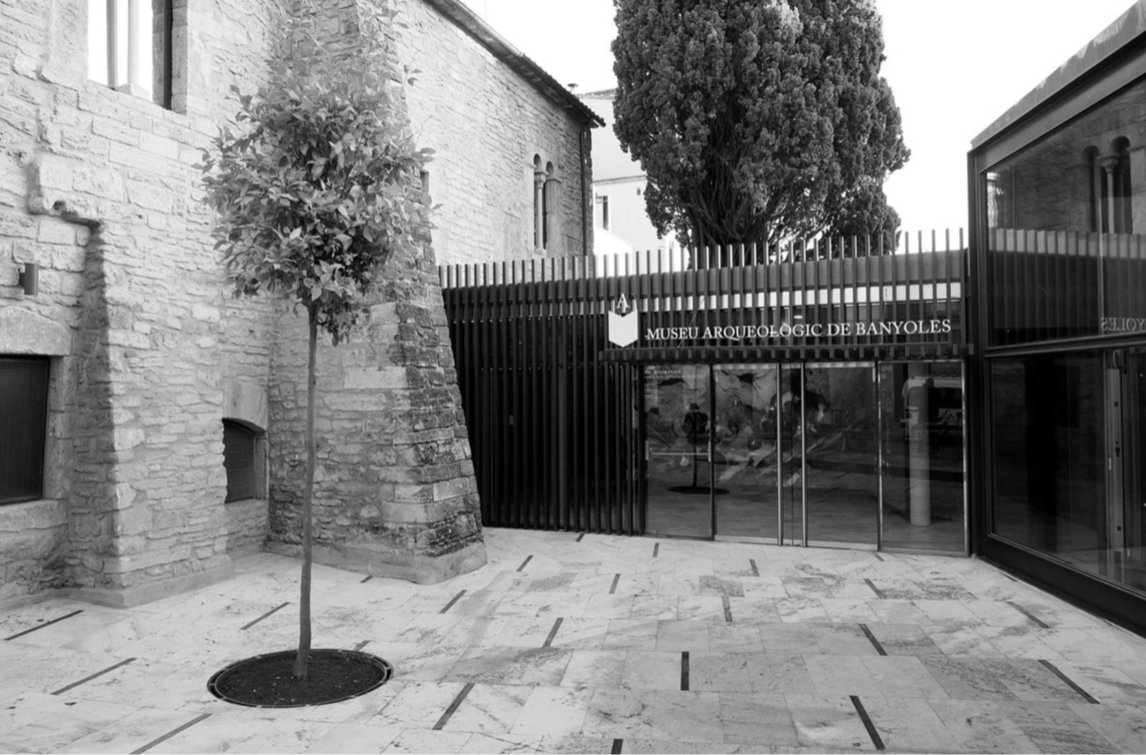
After almost sixteen years of work and a comprehensive reform, the Banyoles Regional Archaeological Museum has reopened its doors with a completely renewed discourse, a more accessible route and more than 1,600 pieces on display - some of them previously unpublished - that illustrate the relationship between humans and the territory of the Pla de l'Estany.
The museum's transformation culminates a long process of research, museographic redesign and content updating that positions the new MACB as a reference space for understanding human evolution in Catalonia. The project is committed to a museography that combines emotion and knowledge, and reaffirms the commitment to the identity and reality of the territory.
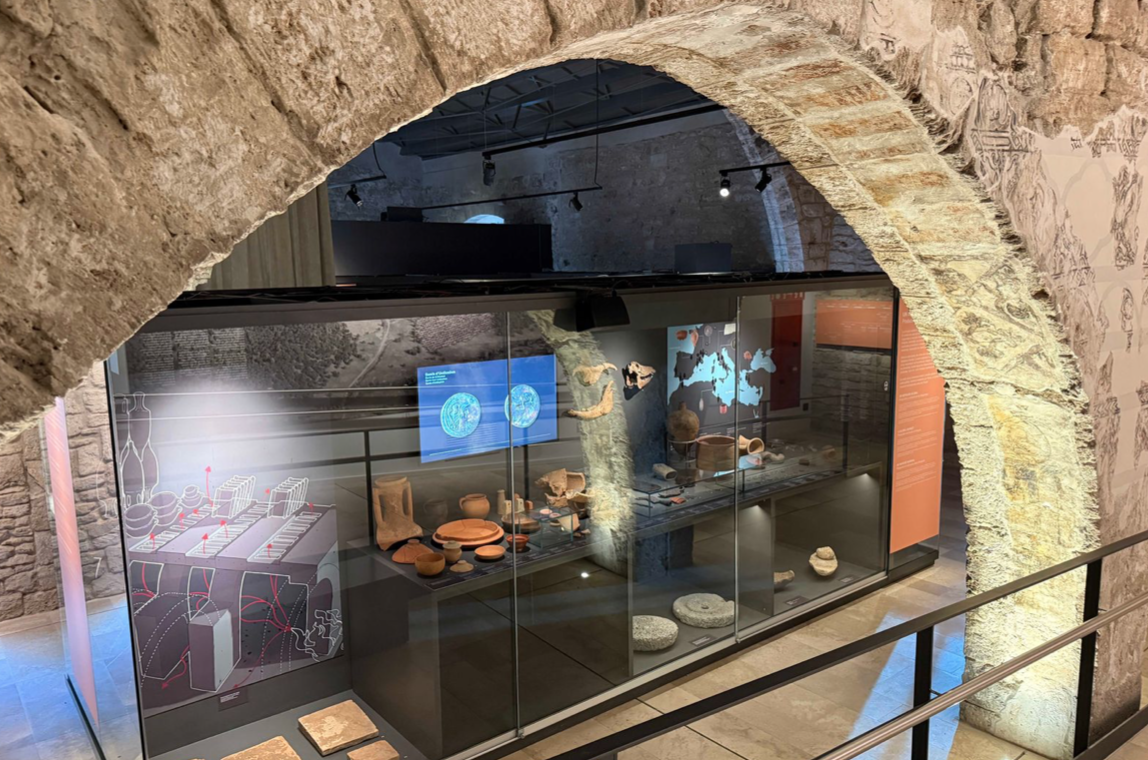
The exhibition story revolves around a central idea: to show how human communities have interacted, adapted and transformed the natural environment of the Pla de l'Estany over thousands of years. This common thread is articulated through a museographic "ring" that unites several historic buildings - the Pia Almoina, Can Paulí and Can Fornells - carefully preserving their original architecture.
The permanent exhibition is organized into five major chronological areas, ranging from paleontology to the Middle Ages, and incorporates cross-cutting themes such as climate, beliefs, daily life, economy and the evolution of settlement. The result is an inclusive, accessible journey designed for all types of audiences, which invites you to dialogue with the past to better understand the present.
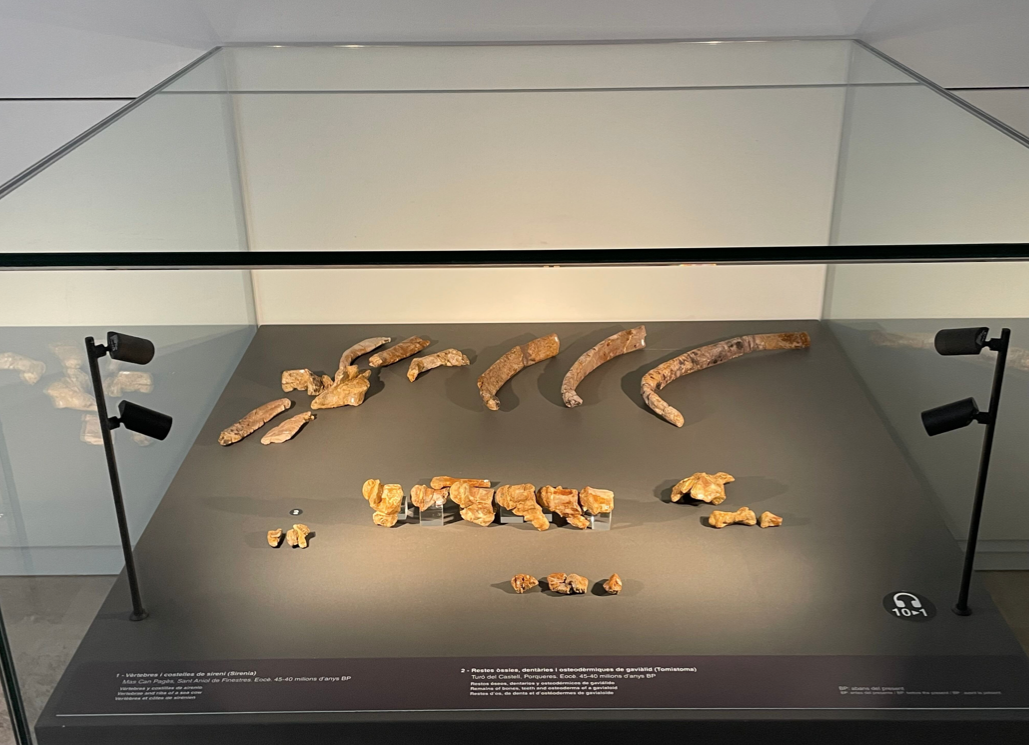
This new space is the result of decades of archaeological research, excavations and conservation work, as well as a firm commitment to culture as a driver of identity, social cohesion and territorial projection. The museum preserves an exceptional collection of more than 950,000 pieces, of which around 1,600 are part of the new permanent exhibition. Many of these are being exhibited for the first time and stand out for both their scientific value and their symbolic weight.
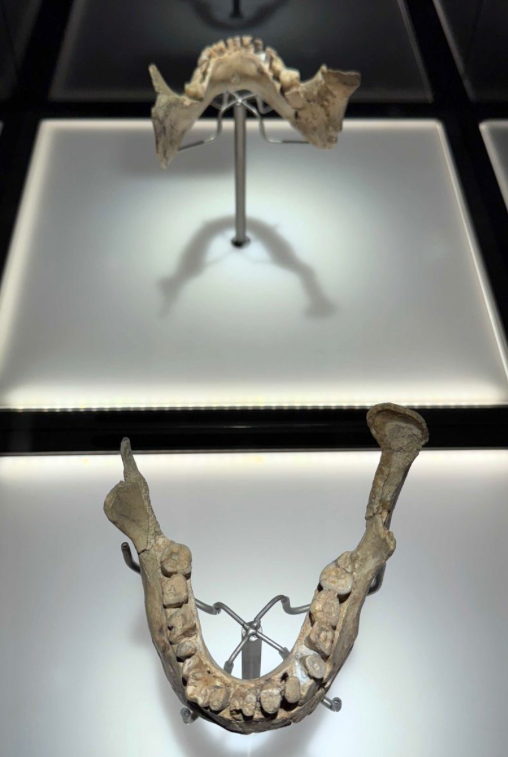
Among the most unique pieces we find a saber-toothed cat skull dating back a million years, the oldest Homo sapiens skull located in Catalonia, the Banyoles jaw, the oldest Neolithic bow in Europe, various Iberian materials with graffiti, a leather shoe from the 5th century —considered the best-preserved Roman shoe in the Iberian Peninsula and one of the most outstanding recent discoveries, found in 2020— or a Roman roof tile reused in the Middle Ages with the inscription of a monk.
The Banyoles jawbone, which was kept in the historic Alsius Pharmacy for 140 years, has now become one of the museum's great star pieces.
You may be
interested
...