Exhibitions
Lyon, the birthplace of cinema and a journey to the heart of the Institut Lumière
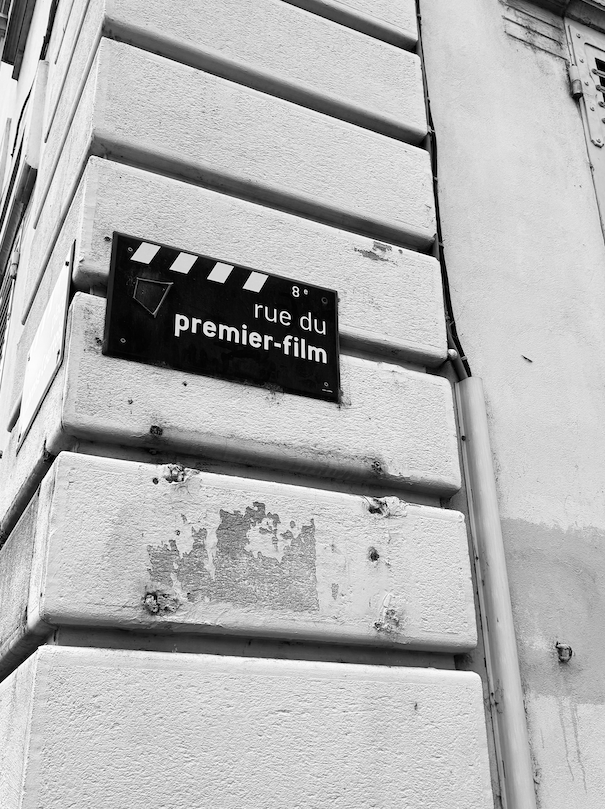
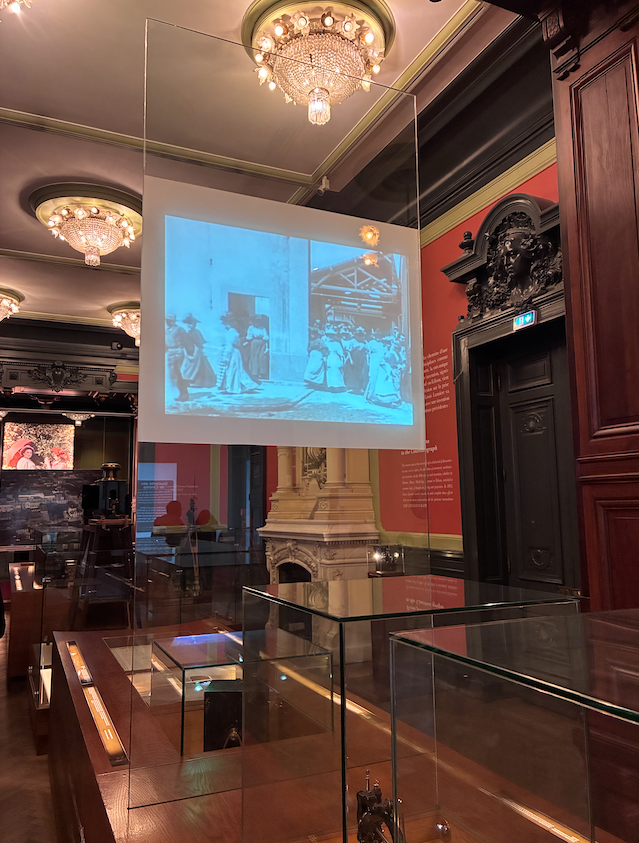
Upon arriving in Lyon, the Rue du Premier-Film becomes an essential destination for lovers of cinema, art, and cultural history. On this street stands the Institut Lumière, a space that celebrates and preserves the memory of the Lumière brothers, inventors of the cinematograph and pioneers of the seventh art. It was precisely here that they filmed what is considered the first film in history: La Sortie de l'Usine Lumière à Lyon ( Workers Leaving the Lumière Factory ), a simple, everyday scene that, in less than a minute, captured real life with a freshness and naturalness that marked the birth of cinema as we know it.
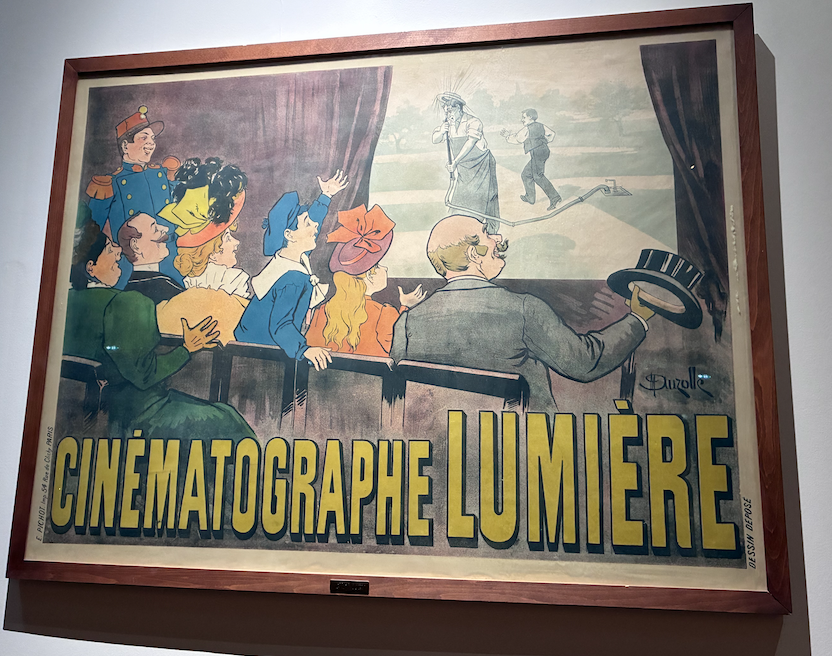
The Institut Lumière, housed in the Lumière family's former home, allows visitors to immerse themselves in a journey to the origins of cinema. The first cinematograph is on display, along with other historical devices such as Thomas Edison's kinetoscope, a precursor to the modern projector. The exhibits include documents, photographs, and short films by the Lumière brothers themselves, such as *Le Jardinier* and *L'Arroseur Arrosé* , which depict scenes of everyday life with a remarkable realism for the time. Although these films last less than a minute, their historical and aesthetic value was immense, laying the foundations of cinematic storytelling and demonstrating that the camera could transform the everyday into art.
In addition to screenings and archives, the Institut Lumière offers immersive experiences thanks to its internationally acclaimed and outstanding museum design. The layout of the galleries, the carefully considered lighting, the clear labels, and the use of multimedia resources create a sensory and narrative journey that allows visitors to understand both the historical context and the cultural significance of the Lumière brothers. Every object and every room tells its own story: from the room where the brothers conceived the cinematograph to the Hangar, the original space where the Lumière brothers' departure from the factory was filmed, offering the opportunity to relive the moment that began the history of cinema.
The Art Deco building, spread over four floors, goes beyond simply exhibiting the Lumière brothers' work. It is a museum that explores the evolution of cinema, its precursors and pioneers, allowing visitors to connect early filmmaking experiments with the subsequent development of cinema worldwide. In this way, one can appreciate how the Lumière brothers' technical and narrative innovations inspired later directors such as Georges Méliès, Alice Guy-Blaché, Sergei Eisenstein, and F.W. Murnau, who expanded the cinematic language and solidified narrative, editing, and visual aesthetics as fundamental tools of filmmaking.
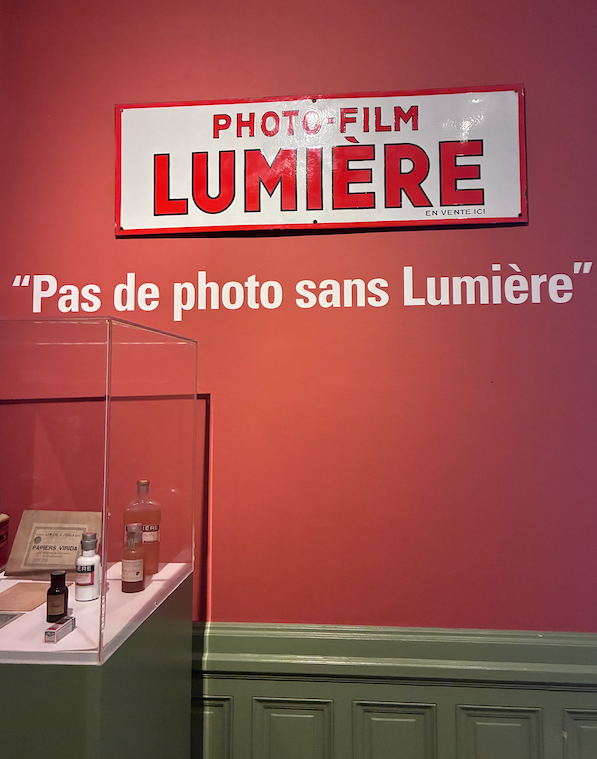
Visiting the Institut Lumière is, ultimately, a journey that combines history, technology, and art. Each room, each projection, and each object invites you to pause, observe, and reflect on how a simple device and the curiosity of two brothers transformed the way the world perceives reality. It is a space where history comes alive and where the magic of cinema, from its very beginnings, unfolds before the viewer's eyes.


You may be
interested
...