Exhibitions
From Indianas to digital printing: Mataró, a century and a half of textile innovation
A journey through 280 years of textile innovation in Mataró, from the first factories of the 18th century to contemporary techniques that combine technology, sustainability and personalized design.
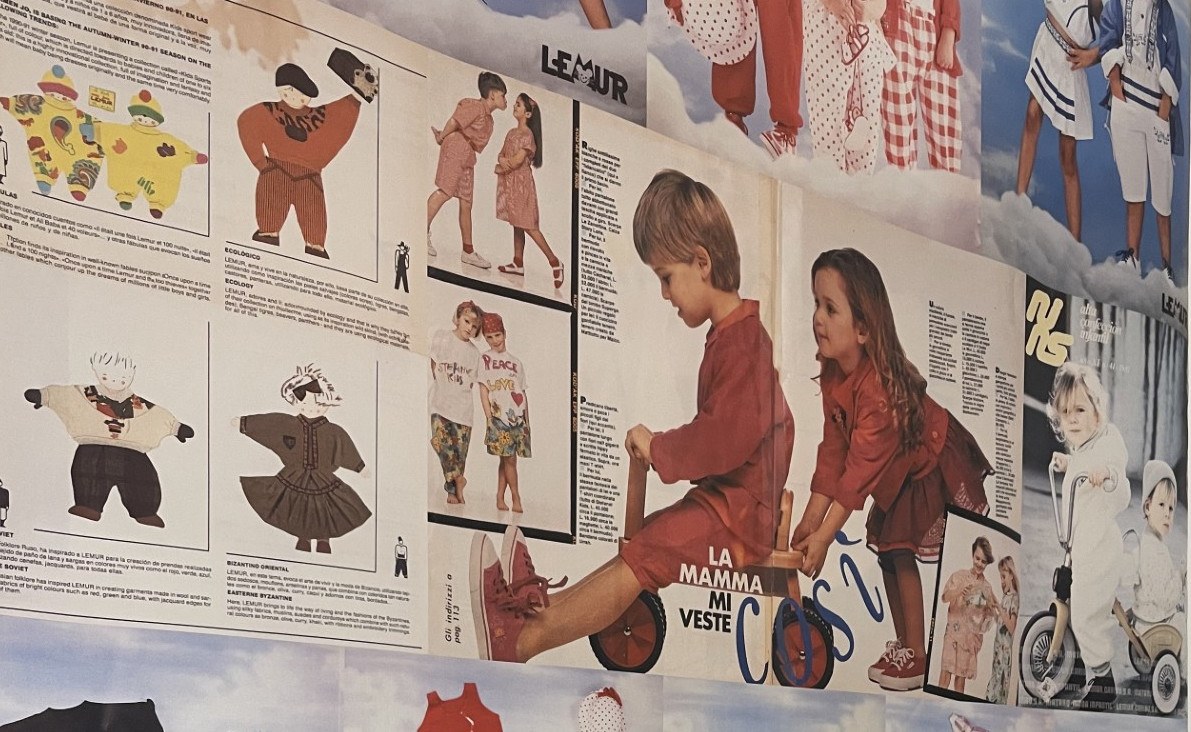
The Mataró i Can Marfà Museum offers a journey through the history of textile printing with the new temporary exhibition From Indianes to digital printing. Mataró, 1746-2025 . The exhibition covers 280 years of evolution, highlighting the fundamental role of the capital of Maresme in the development of the Catalan and national textile industry.
The exhibition begins in the mid-18th century, when the first Indiana factories were established in the city. At that time, Mataró had already established itself as the second city in Catalonia in the production of this type of printed textiles, a position that demonstrated the vitality and innovation of its artisanal and industrial sector. As the exhibition progresses in time, it can be seen how the city led the printing of knitwear during the 20th century, becoming a benchmark at a national level.
In addition to the historical aspect, the exhibition explores the most modern digital printing techniques, offering a look into the future of the sector and demonstrating how tradition and innovation have gone hand in hand over the centuries. Visitors will be able to see original samples, work tools, documents and examples of contemporary design that reflect the textile wealth of Mataró.
From Indianas to digital printing can be visited until May 24, 2026, offering a unique opportunity to learn about how a small city became a protagonist in Catalan and state textile history, all through a visual story that combines past, present and future.
Indianas, cotton garments printed on one side and originating in Asia, triumphed in Europe for their colorfulness and original designs. In Mataró, before the middle of the 18th century, factories were already established that transformed the agricultural city into an important industrial center, hiring foreign experts to master the coloring techniques.
Throughout the 20th century, the evolution of chemistry and mechanization introduced synthetic dyes and continuous printing machines, while the crisis of the 1980s promoted innovation in design as the key to maintaining competitiveness. Today, with digital printing, the city combines technology, sustainability and personalization, consolidating itself as a benchmark in the textile world.

You may be
interested
...